Americans went to the polls this month with food issues top of mind. Rather than improve the food system, the last Congress and President Trump made matters worse by further fueling inflation, slashing federal feeding programs, and undermining food safety.
Rising grocery store prices were a top issue for voters in the last election, driven by tariffs, supply chain disruptions, and the fuel shortages from foreign wars. Food price inflation puts an immediate, highly tangible squeeze on household budgets. Rather than lighten the burden on American families by increasing support for the federal programs that provide food assistance, the 119th Congress compounded the damage by passing HR 1, Pres. Trump’s "Big, Beautiful Bill," which has had a devastating impact on the Supplemental Nutrition Assistance Program (SNAP), cutting eligibility, reducing the monthly benefit, and creating punishing new hurdles to state participation, changes that will reverberate across the food system.
Food safety is a kitchen table issue for voters, with longstanding bipartisan support. Yet we can all clearly see that the current political leaders in Washington, despite promises by Pres. Trump and his Health Secretary Robert F Kennedy Jr. to "Make American Health Again," have taken us backwards. That includes not just giving in to industry lobbying influence and failing to deliver on promises to tackle unsafe food chemicals, but also rolling back progress on federal food safety regulations and taking a chain saw to the programs that keep our food safe and track foodborne outbreaks.
With sweeping changes in both chambers of Congress, this election has provided opportunities to address the food issues that matter to everyday Americans. And while the next Congress will not generally be able to pass laws without the president's signature, it has enormous power, both to reveal harms to the food system and offer a strong vision that challenges Pres. Trump and his party to deliver on their own lapsed promises to improve the food system.
Here are a few things the 120th Congress can do starting in January 2027 to deliver the safe and affordable food that Americans crave:
1. Restore and expand SNAP
Restore and expand SNAP by reversing the devastating damage to SNAP from HR 1, restoring federal funding for the program and ensuring that state agencies are resourced to deliver food assistance. Congress can also enhance access to fruits and vegetables by expanding the Gus Schumacher Nutrition Incentive Program (GusNIP).
Take Action: Protect SNAP in the Farm Bill
2. Expand access to school meals
Expand access to school meals by passing federal legislation to create more schools offering free meals to all students and establish a nationwide Healthy School Meals for All program.
Learn more: Healthy School Meals for All
3. Bring grocery prices down
Bring grocery prices down by challenging Pres. Trump’s devastating foreign policy and trade decisions, including tariffs and wars, key drivers of fuel and grocery price inflation. Congress can also make food pricing more competitive by exposing abusive pricing practices, and opposing large food corporation mergers.
Take action: Petition for an end to Trump’s tariffs
4. Take on harmful processed foods
Take on harmful processed foods by passing legislation to close the GRAS loophole, which allows food companies to introduce new chemicals into the food supply without even telling FDA, and secure independent FDA safety review for food substances, a promise on which RFK Jr.’s FDA and Republicans in Congress have failed to deliver. Congress can also require front-of-package warnings and push FDA to define harmful processed foods, policies that can help shift American diets towards healthier alternatives.
Learn More: The Food Labeling Modernization Act of 2026
5. Fund and protect USDA and FDA food safety programs
Fund and protect USDA and FDA food safety programs to ensure robust food safety inspection and food ingredient and chemical contaminant safety review. Congress must also dramatically increase CDC's food safety budget and restore FoodNet, a program to track foodborne illness across the US that was cut in summer 2025. And it must block attempts to undermine USDA food programs through disruptive office relocations.
Take action: Fund CDC to combat outbreaks
6. Defend against corporate influence
Defend against corporate influence by resisting attempts by the processed food and agriculture industries to influence food policy, including opposing bills that inject politics into the Dietary Guidelines for Americans or implement sweeping preemption of state laws.
Take action: Oppose attempts to preempt state food policy
7. Expose attacks on public health and scientific integrity
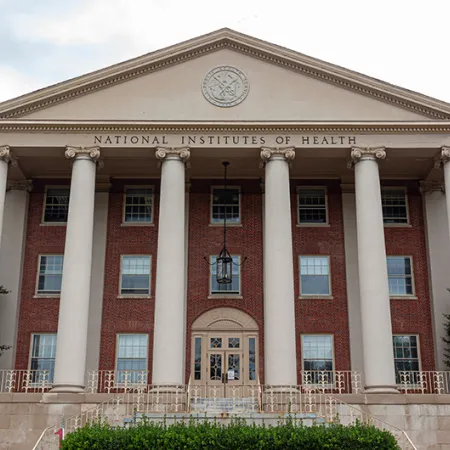
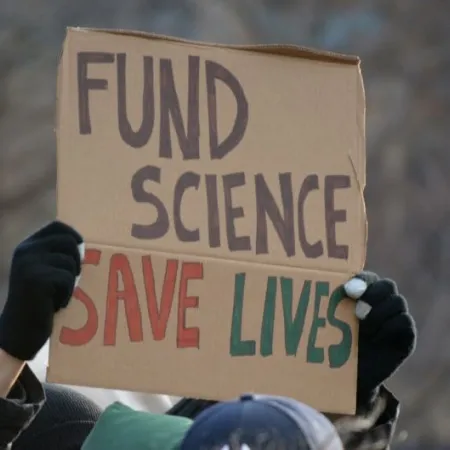
Expose attacks on public health and scientific integrity via aggressive oversight. One of the most important roles for the next Congress will be to identify corruption and mismanagement at federal agencies like the USDA, FDA, CDC, and NIH, whose research and regulation supports Americans’ diets and health. This can include countering Trump administration attacks on science and health equity through censoring research, harming immigrants’ access to food and other safety net programs, rejecting health equity in the Dietary Guidelines and other efforts to undermine diversity, equity, and inclusion in public health.
The bottom line
The next Congress has a lot of work to do come January to follow up on election momentum with meaningful change. Improving the food system will be a top priority, and these policies provide a way for Congress to deliver. Make sure food policy stays top of mind by calling on your own elected officials to make food and health a core priority for the new Congress.