


Laboratory-developed tests (LDTs)
What are they?
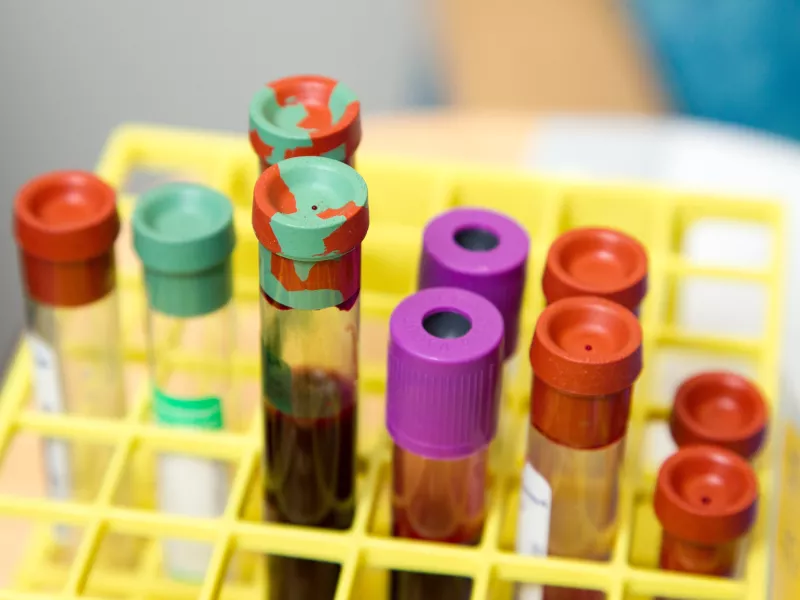
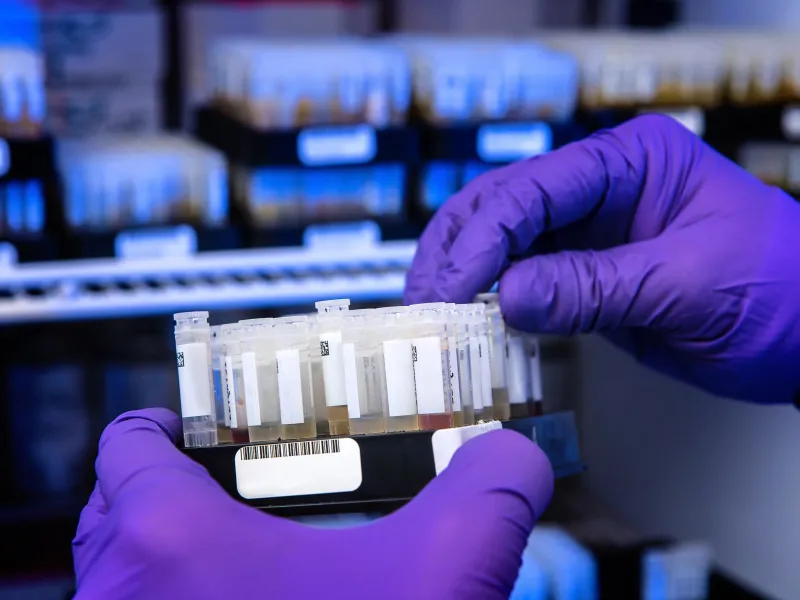
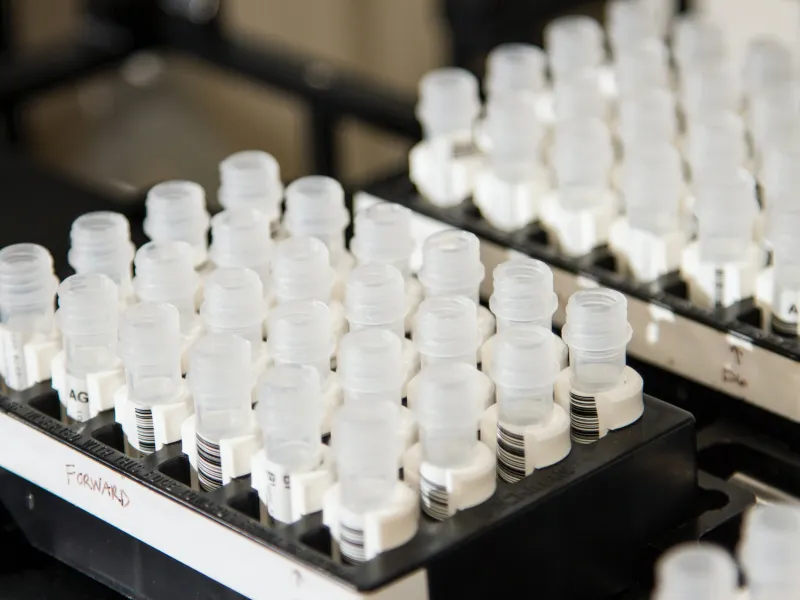
Laboratory-developed tests are a type of in vitro diagnostic (IVD) test (i.e., lab test) used to collect, prepare, and examine blood, saliva, or tissue samples. LDTs are designed, manufactured, and analyzed in the same laboratory. Examples of LDTs include ARUP Laboratories’ Vitamin E test, Labcorp’s beta amyloid test for Alzheimer’s Disease, and Accu Reference Medical Lab’s test for free cortisol. Historically, LDTs were used by laboratories for uncommon tests that served small patient populations, which led the U.S. Food and Drug Administration (FDA) to forego clearance and approval processes required of other, more common lab tests, even as the agency asserted that it had authority to regulate these products if it chose to do so.
LDTs have now ballooned into a $20 billion industry, with test offerings increasing in complexity and scope. These tests are not without risks, and often patients, and sometimes their providers, do not know if their lab test is an LDT or an FDA-approved IVD. As far back as 2015, FDA identified 20 problematic LDTs that may have caused or have caused actual harm to patients due to inaccurate results. Inaccurate test results due to unregulated LDTs could result in a patient receiving unnecessary, invasive and expensive treatment for tests that are falsely positive (telling patients they have a condition when they do not), or delaying life-saving medical care in response to tests that are falsely negative (failing to diagnose a condition that the patient actually has). For example, inaccurate results from Theranos’ LDT led one patient to switch from his usual blood thinner to a less potent medicine and led another patient to believe, mistakenly, that her breast cancer had returned. In fact, CSPI has called out multiple LDTs that returned incorrect results.
At CSPI, we believe that accurate, reliable tests are critical to medical care, and we envision a future where patients can access safe and reliable laboratory-developed tests, and at least the riskiest tests have been subjected to FDA review before they enter the market.
FDA has been trying to close the loophole for decades
Our advocacy
- Letter to FDA Commissioner Makary expressing concerns over the court’s decision to vacate the LDT Final Rule
- Amicus brief in support of FDA’s Final Rule on LDTs
- Lawsuit against LDT manufacturer EpicGenetics for using false and misleading claims in marketing their LDTs
- Letter to Office of Management and Budget on FDA’s Final Rule on LDTs
- Comment on FDA’s Proposed Rule on LDTs
- Letter to Office of Management and Budget supporting FDA regulation of LDTs
- Letter to former FDA Commissioner Califf urging development of LDT regulations
Our insights and updates
Publications from CSPI staff related to LDTs




FAQs

Our team

Peter Lurie, MD, MPH
President and Executive Director

Irene Ulrich, PharmD, MPH
Former CSPI Senior Policy Scientist, Regulatory Transparency and Accountability Initiative

Isabella Xu
Policy Associate