CSPI is part of a class action lawsuit against NIH, HHS, and DOGE, challenging censorship of crucial research grants. Learn how to help defend public health.
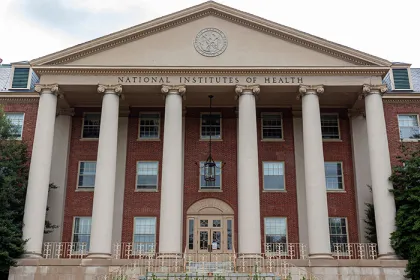
NIH is targeting and terminating grants for research studies that it thinks will communicate disfavored viewpoints on diversity, gender identity, climate change, and more, violating First Amendment rights and threatening the future of public health.
Government AccountabilityAmerican Civil Liberties Union (ACLU)
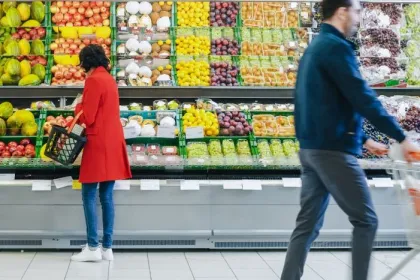
New CSPI-Johns Hopkins-More Than Food report shows how retailers can boost nutritious food donations amid rising prices, SNAP cuts, and shrinking federal support.
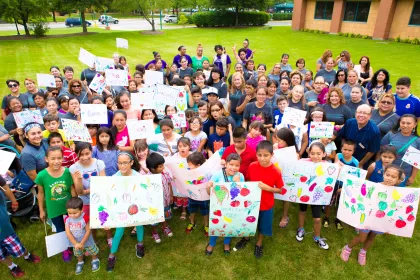
The Healthy Schools Campaign (HSC) has led a grassroots campaign to bolster the work of the Healthy School Meals for All Coalition and advocate for the full funding needed to make free school meals a reality for every public school student in Illinois.
One in four Los Angeles County households have unreliable or limited access to healthy and nutritious food. The Los Angeles Food Policy Council and partners in the fight for Good Food know that the issue of food and nutrition insecurity is pervasive and longstanding—but there are solutions out there.
The Community Champions initiative in Clayton, Georgia, has spent the last three years investing in local voices, building leadership, and creating pathways for communities to advocate for healthier, more equitable futures.
Together, we’re building the framework and the engine of long-term, coordinated, statewide SNAP advocacy powered by community voices, evidence of SNAP’s importance for schools, child welfare, health, and our essential workforce, powerful messaging, and a growing legislative knowledgebase.