

RFK Jr. leaves GRAS loophole ajar
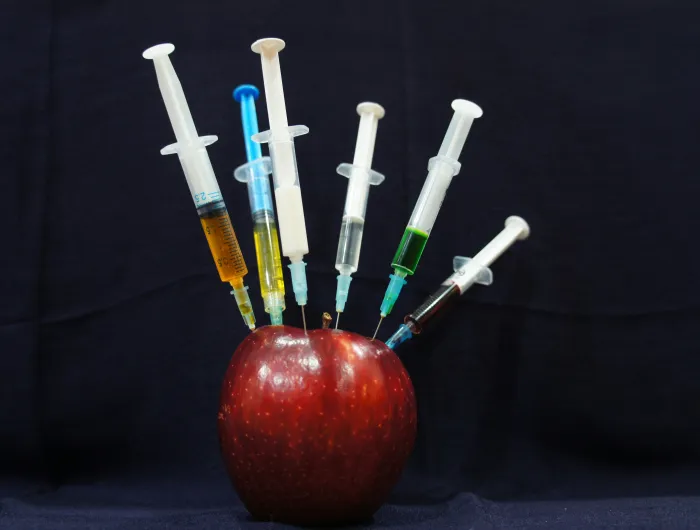
Sara Bakhshi - unsplash.com.
Statement of CSPI President Dr. Peter G. Lurie
Today, Health Secretary Robert F. Kennedy Jr. celebrated the release of two long-awaited proposals: one to purportedly close the "generally recognized as safe" (GRAS) loophole and another to create a federal definition for "ultraprocessed food." Both aim to address the harms of certain processed foods, a key problem in public health. One of the actions announced today (GRAS) is only a proposal and the other (the UPF definition) is not even that; eventually both will require further action to finalize and implement. Today’s celebration also serves to distract from the real harm this administration has already carried out on independent science and healthy food access.
The GRAS loophole in our current food additive regulatory system allows companies to self-certify the safety of new food chemical uses in secret, without sharing any safety data or even notifying the FDA or the public that they are on the market. For decades, CSPI has been steadfast in calling for reforms to this broken system, even suing FDA in an effort to close the loophole in 2017. For too long, FDA has been blind to the full universe of novel chemicals used in our foods and industry has aggressively lobbied against attempts at federal reform. We can be sure that industry will pull out all the stops to promote its interests as the rule is finalized.
While CSPI welcomes efforts to close this loophole and looks forward to the opportunity to comment, the proposal will need to be strengthened and finalized before it can have a substantial impact. The proposed rule will still allow companies to sell products before or during the process of submitting a GRAS notice to FDA—there’s no requirement for companies to get the greenlight from FDA before going to market, which is one of the fundamental flaws in the existing system. CSPI urges FDA to fully close the GRAS loophole by requiring premarket review for all new food chemicals. Moreover, it is unclear how FDA would enforce a notification provision the administration characterizes as “mandatory.” Mandatory without enforcement is not mandatory at all.
In the meantime, states continue to lead the way ensuring transparency and safety in our food supply. For example, New York’s Food Safety and Chemical Disclosure Act passed the New York State legislature in April. Once signed by Governor Hochul, the bill will require companies to report GRAS substances and safety data to the state of New York. This bill has no requirement for premarket review, but that is a responsibility that, due to resource constraints, is better handled by the FDA.
The federal “ultraprocessed food” definition, also celebrated today, is not yet published. It remains stuck at the Office of Management and Budget with no timetable for release. It consists of a draft “white paper” rather than a regulatory policy, meaning the definition will have to be operationalized in US policy. CSPI recommends that policymakers take an approach that combines nutrient, ingredient, and processing attributes to ensure that such policies target the processed foods that evidence shows are most clearly linked to health harms.
At the event today, speakers claimed that 18 months of the Trump administration’s actions have made the US food supply healthier and safer—rhetoric that distracts the public from the many steps this administration has taken to undermine independent science and healthy food access. Those include mass firings of expert staff at the FDA and other federal health agencies, arbitrary grant terminations, disbanding of food safety expert advisory committees, intimidation of federal scientists, and promoting misinformation. While telling Americans to “Eat Real Food,” the administration has defunded the Supplemental Nutrition Assistance Program (SNAP) to the tune of $187 billion over ten years, cut nutrition education through SNAP-Ed, terminated funding for local food in schools, and proposed cutting fruit and vegetable benefits through the Supplemental Nutrition Program for Women, Infants, and Children (WIC). These actions make our food system less safe and make healthy food less accessible, contradicting the secretary’s purported goals. There is only so much a limited GRAS reform proposal and a not-yet-existing UPF definition can do to reverse these harms.
# # #