Hitting your fiber target: 10 easy and healthy meal ideas
Natalia Klenova - stock.adobe.com.
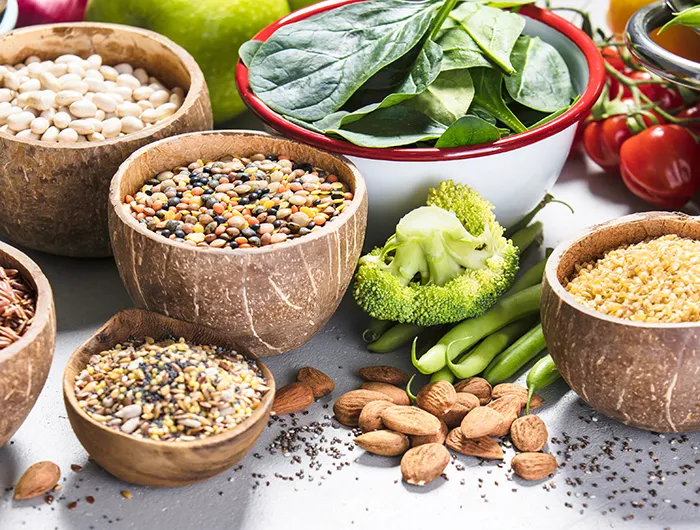
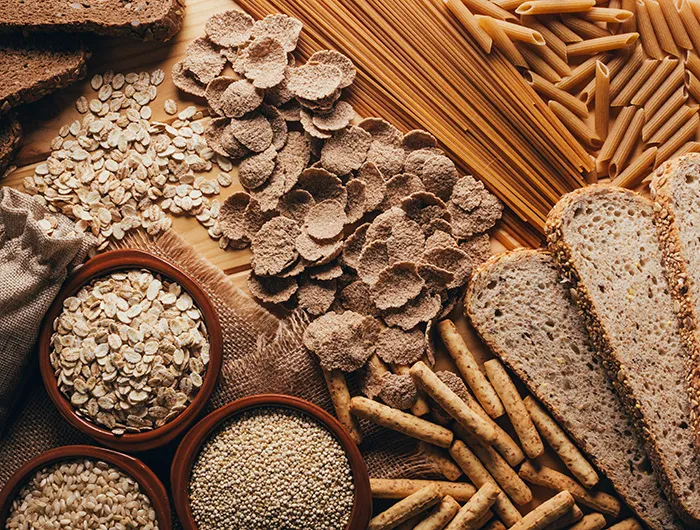
Most of us don’t get enough fiber. But getting enough doesn’t have to mean eating bran cereal for every meal. In fact, the fiber from beans, lentils, oats, whole grains, fruits, veggies, nuts, and seeds can add up quickly. Check out these 10 simple meal ideas to help you hit your fiber target without it feeling like a chore.
Most of us aren’t getting enough fiber
Many meals still center on refined grains, meat, cheese, or other foods that contribute little or no fiber. But based on the guideline to consume at least 14 grams of fiber per 1,000 calories, most adults should aim for 25 to 38 grams of fiber per day. That means for a 2,000-calorie diet, your fiber target is 28 grams per day.
And these fiber goals aren’t just about promoting regularity. The targets are actually focused on preventing heart disease.
Why? That fiber benefit was supported by the strongest evidence. The research suggests that those who eat more fiber have greater protection against heart disease. And that’s not all! Research also suggests that people who eat more fiber have a lower risk of constipation, diverticular disease, type 2 diabetes, obesity, and even colorectal cancer.
The good news? You don’t need a complicated diet plan to meet these goals. You just need more plants! Healthwise, you’re better off focusing on fiber from whole plant foods like fruits, veggies, whole grains, legumes, nuts, and seeds rather than from “gut health” sodas, protein bars, and other snacks that contain added isolated or synthetic fibers like chicory root fiber (aka inulin), soluble corn fiber, and polydextrose.
Just keep in mind that a standard serving of veggies is small. In fact, it’s a fraction of a cup that comes closest to weighing 3 oz. But since all non-starchy vegetables are low in calories, you can easily double (or triple) your serving of veggies, thereby doubling their fiber grams!
To find out how much fiber is in a standard serving of common foods, check out our food fiber chart.
How to build a high-fiber meal
Build a high-fiber meal using these simple tips. They might seem like small steps, but each one adds up to a fiber-filled meal that’s also delicious!
peangdao - stock.adobe.com.
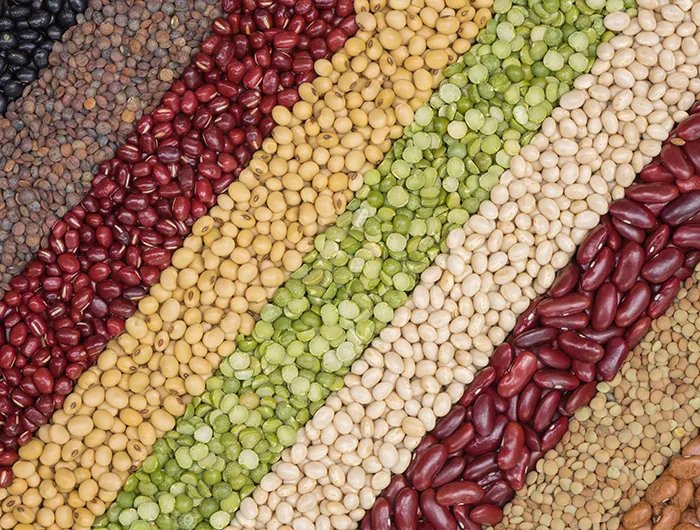
Start strong with canned beans or precooked lentils. A cup of black beans, pinto beans, lentils, or split peas has about 16 grams of fiber, and a cup of chickpeas or kidney (cannellini) beans has 12 grams. That’s impressive! You can add cannellini beans to pasta dishes and casseroles, mash pinto beans to spread on toast or tortillas, add a can of chickpeas to cold salads, or add lentils to warm salads or soups. And remember, easy beans and precooked lentils can be your best friends here!
Add a whole grain. Whole grains are good for you, and simple swaps can make all the difference. Try whole-wheat bread, pitas, tortillas, and pasta instead of white breads and traditional pasta. And don’t be afraid to try other whole grains like bulgur (5 grams per serving), oats (4 grams), teff (3 grams), millet (3 grams), and quinoa (3 grams).
Add at least one fruit or veggie. Fruits and veggies are nutritious and can increase your fiber intake more than you probably think. Some of the best choices to boost fiber: Try avocado (9 grams per avocado), cabbage (2 grams per cup), brussels sprouts (2 grams per 1/2 cup), kale (4 grams per 3/4 cup), broccoli (3 grams per 1/2 cup), green beans (3 grams per 2/3 cup), carrots (2 grams per 1/2 cup carrots), cauliflower (2 grams per 2/3 cup), corn (2 grams per 1/2 cup), spinach (2 grams per 1/2 cup), peas (4 grams per 1/2 cup), sweet potato (3 grams per 1/2 cup), berries (between 3-8 grams per cup), or apples with skins (4 grams per apple).
Use nuts or seeds as toppings. Seeds like sunflower (3 grams per oz.), chia (10 grams per oz.), ground flaxseed (8 grams per oz.), and nuts like walnuts (2 grams per oz.), almonds (4 grams per oz.), pistachios (3 grams per oz.), or peanuts (2 grams per oz.) all add flavor, crunch, and, yes, fiber! They’re especially great on cold and warm salads, grain bowls, yogurt bowls, pasta dishes, and toast.
Add fiber-rich sides and add-ons. Salsa, slaws, sliced avocado, roasted veggies, and extra greens as toppings to soups, stews, bowls, tacos, and salads can also help fiber add up!
Just be sure to start slow
Don’t rush into a high-fiber diet. At first, a high-fiber diet can cause discomfort, gas, and bloating in people who were previously eating a low-fiber diet. Going from low-fiber meals to bean bowls overnight will leave your tummy feeling gloomy. So, increase fiber gradually and drink plenty of water.
10 easy meal ideas that can help you get closer to your daily fiber goal
Getting enough fiber from high-fiber foods such as beans, lentils, oats, whole grains, fruits, veggies, nuts, and seeds doesn’t have to feel like homework. Here are 10 easy, tasty meal ideas to help you reach your fiber goals in a snap!
1. Oatmeal with berries, nuts, and seeds
Uuganbayar - stock.adobe.com.
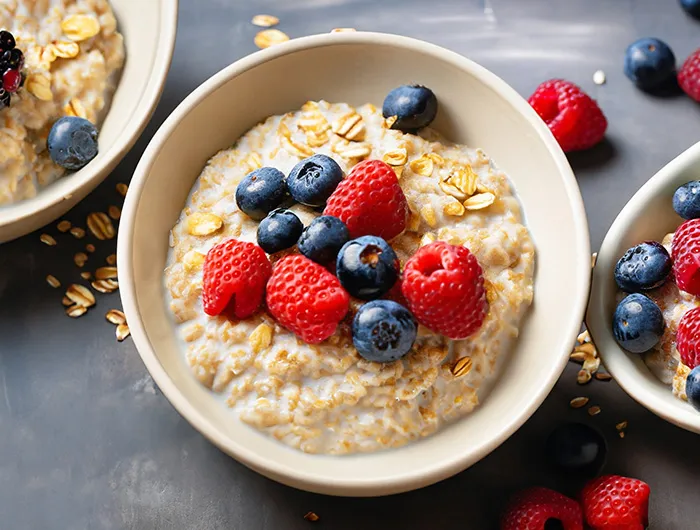
Start with a bowl of unsweetened rolled oats (4 grams of fiber per cup), then add 1/2 cup of raspberries (4 grams of fiber), a spoonful of seeds (think sunflower or chia), and a handful of chopped walnuts or almonds. Yum! And if you’re in the mood for a hint of natural sweetness, stir in a few chopped dates or dried apricots. This is the perfect morning bowl that could easily become a weekly staple! And don’t be afraid to change it up; try swapping out the berries every now and then for a sliced pear or a chopped apple (keep the skins!). And for an extra flavor boost, try adding cinnamon or a spoonful of peanut butter.
It’s a meal that easily outshines a simple bowl of cereal, providing about 8 grams of fiber from the oats and raspberries alone, plus enough flavor and texture to make this fiber-filled breakfast a treat.
2. Bean and veggie tacos
Breakfast doesn’t have to mean cereal. (Check out our savory breakfast tips and ideas). Plus, bean and veggie breakfast tacos are a great way to use any leftover beans from dinner. (Though lentils also work great here!)
For breakfast tacos, scramble an egg (or use Just Egg) or tofu, then add any leftover beans or lentils, and top with peppers, mushrooms, onions, spinach, kale, cabbage, or any other veggie you love. Spoon it all into whole-wheat tortillas and top with plain yogurt.
For dinner tacos, ditch the egg (or keep it if you prefer!) and top with something savory, like salsa, chimichurri, hot sauce, yogurt-tahini, fresh herbs like cilantro, a few slices of avocado, and a squeeze of lime!
Beans do most of the fiber-heavy lifting here, providing about 6-8 grams of fiber per 1/2 cup.
But this meal is also versatile and can make a great salad! So, if you’re in the mood for a bean and veggie taco salad instead, start with your favorite greens or shredded cabbage, then add beans or lentils, crushed whole-grain tortilla chips or taco shells, all your favorite veggies, and top with all your favorite toppings.
3. Lentil or split pea soup with a side salad and whole-grain bread
Lentil and split pea soups are not only delicious, but they’re also an easy way to meet your fiber goals. A hearty bowl of lentil or split pea soup with carrots, greens, cabbage, broccoli, or whichever soup veggies you love will fill you up and provide between 12 and 18 grams of fiber per cup of lentils or beans.
And you can always add a flavor boost to any soup with garlic, cumin, smoked paprika, and a splash of balsamic vinegar. Plus, for extra flavor, top your bowl with herbs like cilantro, parsley, or chopped green onions, along with a scoop of plain yogurt. Yum!
Pair this soup with a side salad and a slice of toasted whole-grain bread, and you have a cozy lunch or dinner you’ll want again and again.
Spread hummus (try one of our healthy snacking staples) liberally on a whole-wheat pita, then stuff it with your favorite sandwich veggies. Think sliced cucumbers, shredded carrots, arugula, cabbage, kale or spinach, tomatoes (fresh, sun-dried, or both!), and jarred roasted red peppers. The pita provides about 5 grams of fiber per pita, the chickpeas in the hummus provide about 1-2 grams of fiber per 2 Tbs., and the veggies add crunch, volume, and a bit more fiber.
Quick tip: Not all breads are created equal. Choose whole wheat pita bread made with all whole-wheat flour and little or no refined-wheat flour.
Bonus tip: Don’t have any hummus? Make your own chickpea spread using our easy recipe, or by simply mashing canned chickpeas with a little plain yogurt or avocado. Add lemon juice and your favorite herbs for a simple hummus-y spread!
5. Grain bowl with brown rice, beans, and roasted vegetables
Grain bowls are truly the superstars of meal prep; they can be fast and easy, and the combinations are endless!
You could start with a base like brown rice. Or, for even more fiber, use quinoa, whole wheat pasta, wheat berries, or bulgur. Then add whatever you’re in the mood for. You can think of it as a clean-out-the-fridge meal or a bowl-of-your-favorite-things meal!
Add your favorite beans (black, pinto, or white are great here!), a scoop of lentils, and then pile on any veggies you love. Roasted veggies like broccoli, sweet potatoes, squash, cauliflower, and peppers can be especially flavorful here. But raw veggies are also great. Try broccoli, cauliflower, corn, shredded carrots, cabbage, spinach, kale, arugula, red onions, sliced bell peppers, and sliced avocado. It’s versatile, filling, and impossible to mess up. And each bowl provides 12-16 grams of fiber per cup of beans or lentils and 3-6 grams per cup of whole grain, plus extra fiber from your choice of veggies.
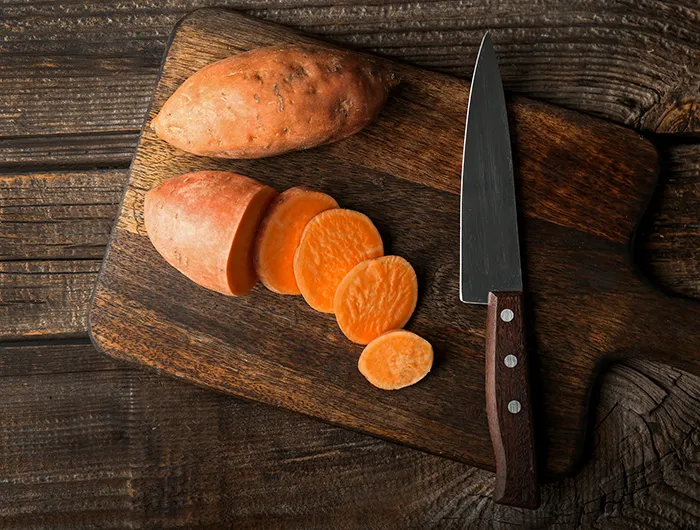
Potatoes have been maligned as “empty calories” by fad diets for decades, but—chips and fries aside—they’re more nutritious than you might think. A baked potato is a good source of potassium and vitamins C and B6. Even better: Sweet potatoes have more fiber than white potatoes and more than a full day’s worth of vitamin A!
So bake or microwave this fiber-filled veggie and top it with pinto beans, salsa, plain yogurt, avocado, cilantro, and chopped green onion. It’s a fast, fabulous dish packed with about 10 to 15 grams of fiber from both the potato and the beans.
There’s so much you can do with sweet potatoes! And who doesn’t love a quesadilla night? Sweet potatoes will make the perfect addition to your favorite quesadilla recipe. Plus, like grain bowls, these quesadillas are versatile and delicious.
Start by roasting cubed sweet potatoes, then mash your favorite beans (creamy white beans work especially well here!) or add a hefty scoop of cooked lentils (mash red lentils or use brown lentils for more bite) with chili powder, paprika, and lime juice, then spread them on a whole-wheat tortilla with the roasted sweet potatoes and some part-skim mozzarella cheese. For some added fiber, add a half cup of your favorite whole grain (rice or quinoa work great here). Fold these over, heat them in a lightly oiled skillet until the cheese is melted, and enjoy! These quesadillas get fiber from beans or lentils, whole wheat tortillas, sweet potatoes, and added whole grains. That’s quite a hefty combo!
For a flavor boost, top with salsa, cabbage slaw, a scoop of plain yogurt, sliced avocado, cilantro, chopped red onion, or guacamole or bruschetta.
8. Whole-wheat pasta with white beans and greens
Pasta night can be one of the best nights. And pasta nights can also be nutritious! Use whole-wheat pasta (5 grams per cooked cup), then add white beans (or your favorite beans), sautéed spinach, kale, broccoli, garlic, blistered grape tomatoes, and a little olive oil. The whole-wheat pasta and beans bring the fiber, and the veggies add a bit more fiber while keeping this dish light and fresh instead of heavy.
For a flavor boost, add red pepper flakes, lemon zest, or a little Parmesan. And to make this dish feel a little more decadent, add a spoonful of ready-made pesto or make pistachio lemon pesto.
Quick tip: Not yet a fan of whole-wheat pasta? Try a mix to start! Mix half traditional pasta and half whole-wheat, and you might just gradually train your taste buds to love it.
9. Veggie chili
A veggie chili loaded with beans is one of the simplest ways to make fiber the main event. Make a big pot of chili with kidney, pinto, cannellini, and black beans (you can even add some brown lentils!), then add canned tomatoes, onions, your favorite peppers (bell and poblano for a mild kick, or habanero, fresnos, and jalapeño for a spicier kick), and your favorite veggies (think corn, zucchini, carrots, celery, mushrooms). A pot of bean-heavy chili with at least two 15 oz. cans of beans will give you at least 11 grams of fiber per serving. Plus, you can save the leftovers to heat up for tomorrow’s lunch!
For a flavor boost, add chili powder, cumin, smoked paprika, minced garlic, and garlic powder. And top each bowl with yogurt, chopped cilantro, green onions, avocado, or sliced jalapenos for an extra kick.
10. Yogurt bowl with fruit, nuts, seeds, and high-fiber cereal or granola
Sure, plain yogurt alone isn’t a good source of fiber, but it can make a fabulous base. Just add your favorite fresh fruit (high-fiber berries like blackberries or raspberries are especially great here), your favorite chopped nuts, a handful of chia (fiber champions!) or sunflower seeds, some ground flaxseed, and a cup of one of our picks for healthy cereals or bran flakes, and you’ve got a delicious fiber-filled bowl that’s great for breakfast, a snack, or a low lift dinner when you need something simple, fast, and filling. Adding just 2/3 cup of Kellogg’s All-Bran cereal,1 Tbs. chia seeds, and 1/2 cup of raspberries to your yogurt gives you about 20 grams of fiber per bowl. Impressive!
For a sweeter twist, add a handful of a lower-sugar granola. (It helps to compare labels—some brands have 12 or more grams of added sugars per small serving.) Or add a flavor boost by topping your bowl with toasted nuts, a sprinkle of cinnamon, and a dollop of peanut or seed butter.
Bonus tip: Add fiber to snacks
Snacks won’t carry you through the whole day, but they can help close the fiber gap if you choose wisely.
Keep it simple. Try a veggie or bean dip with sliced carrots and cucumbers, roasted chickpeas, baked (or no-bake) beans on toast, a bowl of bran cereal or rolled oats, a handful of nuts or seeds, or instant lentils with a dollop of yogurt.
For snack ideas with a little more heft, try a variation of peanut butter toast by spreading peanut butter on whole-grain toast, then topping it with apple slices, a dash of cinnamon, and a few chopped nuts or seeds. It’s simple, hearty, and much tastier than toast with nut butter or jam alone.
Or for a more savory snack, try a popcorn snack bowl. Mix a bowl of popcorn (try one of our favorite healthy pre-popped popcorns) with nuts, no-sugar-added dried fruit, sliced apples or pears, and sunflower seeds. Plus, you can drizzle peanut butter or sun butter on top for extra pizazz.
Or, for a super simple snack, bran cereal or shredded wheat with berries and nuts is an easy fiber win. A dash of cinnamon and a drizzle of honey can even turn this simple snack into a treat!
Practical grocery tips to help add fiber to your diet
Don’t be afraid to be creative and mix it up a bit! A few practical grocery tips can make adding fiber to your diet a breeze.
nehopelon - stock.adobe.com.
Opt for whole-grain bread
Choose breads that list “whole wheat” as the first ingredient. If the first flour listed on the label is “wheat flour,” “enriched wheat flour,” or “unbleached wheat flour,” the product is not whole grain. Unfortunately, most multigrain, rye, oatmeal, and pumpernickel breads are not 100% whole-grain options, so be sure to read the labels carefully.
Check out our full chart on Best Bites and Honorable Mentions.
Be selective when it comes to snack bars, cereal, and granola
Nut-free granola bars or soft-baked whole-grain snack bars can satisfy a sweet tooth while also providing plenty of vitamins and minerals, some fiber, and fewer added sugars. KIND Breakfast Bars are an option, and the nut-free varieties make a perfect addition for those with allergies.
Check out our guide to the best protein bars, granola bars, nut bars, and more.
These foods have less fiber than you might think
In the quest for fiber, we may be looking for it in the wrong places. There are a few foods with less fiber than you might expect.
For example, brown rice may seem like the best choice, but 1/2 cup has just 2 grams of fiber, which is only 7% of a day’s worth. Bulgur, farro, spelt, and wheat berries have at least twice that much.
Similarly, soba noodles (Japanesebuckwheat noodles) often contain more refined wheat flour than whole-grain buckwheat, so they tend to have about 2 grams of fiber per cup.
(Hard-to-find soba noodles made with 100% buckwheat can hit 5 grams.) But whole wheat pasta is the better fiber choice, with 7 grams of fiber per cup.
But some fruits and veggies have a surprisingly high amount of fiber
There are also fiber surprises among fruits and veggies! Some fruits and veggies have more fiberthan you might think.
Pears, blackberries, and raspberries. Pears, blackberries, and raspberries may not be the first fruits you think of when you think of fiber, but one pear (with skin) has 6 grams of fiber, and a cup of raspberries or blackberries has 8 grams. All three of those beat an apple (4 grams), an orange (3 grams), a banana (3 grams), or even a cup of blueberries (4 grams).
Jicama. If you’ve never tried jicama, go for it. A 3 oz. serving has 4 grams of fiber—more than a serving of spinach or broccoli! Plus, it’s a simple veggie to prepare; it even tastes great raw. Peel and slice it for crudités or use it in salsas or slaws.
Avocado. It might surprise you, but avocados are among the veggies with themost fiber. Beneath their creamy texture, a whole avocado hides 9 grams of fiber along with its 230 calories (largely from healthy fat).
Other big veggie fiber champs? Artichoke hearts, green peas, lima beans, and sweet potatoes.
Keep this simple list handy, and add these to your favorite dishes for a quick fiber boost!
What about added fiber in foods?
Don’t assume that just any processed food that’s been pumped up with fiber can help.
There’s dietary fiber, and there’s added fiber. The intact “dietary” fiber that occurs naturally in grains, beans, vegetables, and other plant foods is a mix of fibers (which offer a mix of health benefits), but “added” fiber can be a single type of fiber that’s isolated from foods or made in a lab.
That difference matters. If you’re irregular, it’s smart to up your fiber intake. But to work, the fiber has to increase stool volume and not be broken down in transit.
Fiber comes in two types:
Insoluble. Insoluble fiber is coarse and helps food move through the digestive tract by stimulating the lining of the gut to secrete water and mucus. This process softens and makes it easier to pass.
Soluble. Soluble fiber can boost stool bulk by absorbing water. But not all types of soluble fiber get the job done, since they need to form a gel that allows them to hold water as they pass through the gut.
Enter psyllium, the laxation-friendly poster child of soluble fibers. It’s in Kellogg’s All-Bran Buds cereal and is the key ingredient in Metamucil.
In contrast, don’t expect much from prebiotic soluble fibers (so named because they feed gut bacteria). The poster child: inulin—aka chicory root—a processed fiber used in many Fiber One foods, fiber “gummies,” and hundreds of other foods. In three studies (you can find them here, here, and here) that enrolled a total of 140 people with constipation, only one (funded by an inulin maker) reported more bowel movements in inulin takers than in placebo takers. Plus, inulin made people more gassy.
In a more recent study, researchers gave 18 people a hefty 10, 20, or 30 grams of inulin for one week each. Bloating and flatulence increased at all three daily doses. At 30 grams, the researchers also saw a rise in inflammatory markers. And in three people, a liver enzyme (alanine aminotransferase, or ALT) spiked outside the normal range, leading the scientists to quickly stop the inulin.
You won’t get 30 grams of inulin in one serving of any food. But many fiber gummies supply 5 to 8 grams of inulin or fructooligosaccharides per serving. And it’s easy to overdo gummies. Experts warn that although inulin is added to many foods, you can’t know how much.
And even though few of the isolated fibers that are added to foods actually help with regularity, the popularity of GLP-1 obesity meds, which can cause constipation, is spurring companies to add fiber to even more foods.
Though the FDA made sure that the approved added fibers had some physiological benefit in a human study, it may not be the benefit you’re looking for. For example, inulin was accepted because it raised calcium absorption. Too bad the FDA didn’t require Nutrition Facts labels to list “Added fibers” on its own line and to disclose the benefit that got each fiber approved.
The main takeaway: Stick to whole foods and eat a variety of fruits, veggies, beans, lentils, whole grains, nuts, and seeds to give you a good mix of soluble and insoluble fiber.
Bottom line: Eat a variety of high-fiber whole foods
Don’t worry about special foods like gummies or powders to get more fiber. Simply build meals around beans, lentils, whole grains, fruits, veggies, nuts, and seeds. And be sure to add fiber gradually so your digestive system has a chance to adjust. These 10 easy meal ideas, or any variation of them you like, will get you much closer to the daily target!
CSPI heavily relies on our grassroots donors to fuel our mission. Every donation—no matter how small—helps CSPI continue improving food access, removing harmful additives, strengthening food safety, conducting and reviewing research, and reforming food labeling. We don't take donations from corporations, and our flagship publication, Nutrition Action, doesn't run any ads. That means that everything we do is fiercely independent and unbiased from any bad actors, no matter how powerful. To help keep this online content 100% free, consider donating today to support CSPI.
Our free Healthy Tips newsletter offers a peek at what Nutrition Action subscribers get—healthy recipes, scrupulously researched advice about food of all kinds, staying healthy with diet and exercise, and more.