The best dairy and plant-based yogurt: 10 things to know
fortyforks - stock.adobe.com.
From newbies like high-protein, ultra-filtered yogurt to Icelandic oatmilk skyr, the ever-churning yogurt aisle shows no signs of slowing down. But some things don’t change. Plain is healthier than sugary. Lowfat beats whole-fat. Soy trumps coconut. Here’s what to know about the healthiest dairy yogurts from cows and dairy-free yogurts from plants.
This article comes fromNutrition Action. We don’t accept any paid advertising or corporate or government donations. Any products we recommend have been vetted by our staff and are not advertisements by the manufacturers. They’re just healthier foods we think you’d like to know about!
1. You can’t beat plain yogurt.
Marlena Koch – CSPI.
Plain yogurt is a no-brainer. You can dodge added sugar and save money, since a big tub of plain yogurt often costs less per serving than a single flavored yogurt. And you don’t have to worry about the risky artificial sweeteners or food dyes that crop up in some flavored yogurts.
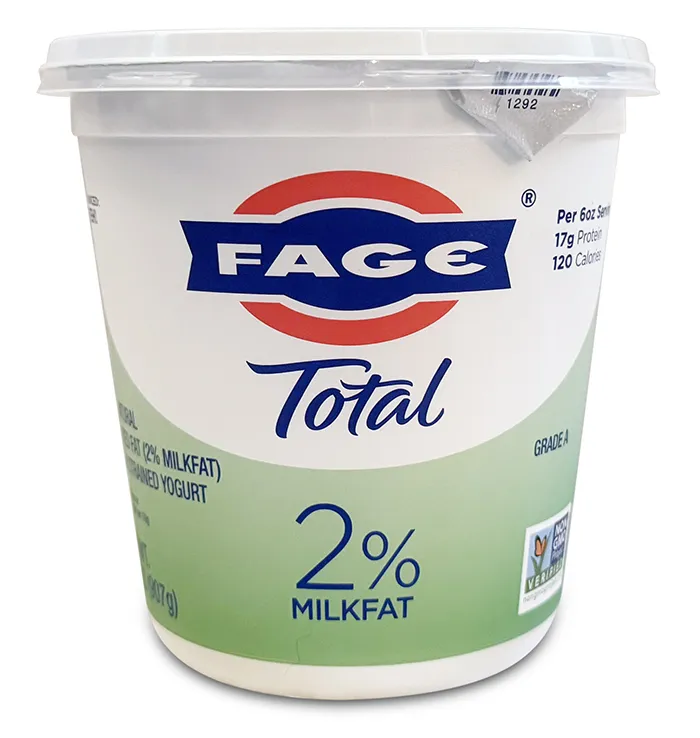
But not everyone loves the tangy taste of plain. If that’s you, taste around. Some brands have more natural sweetness than others (we’re partial to Fage).
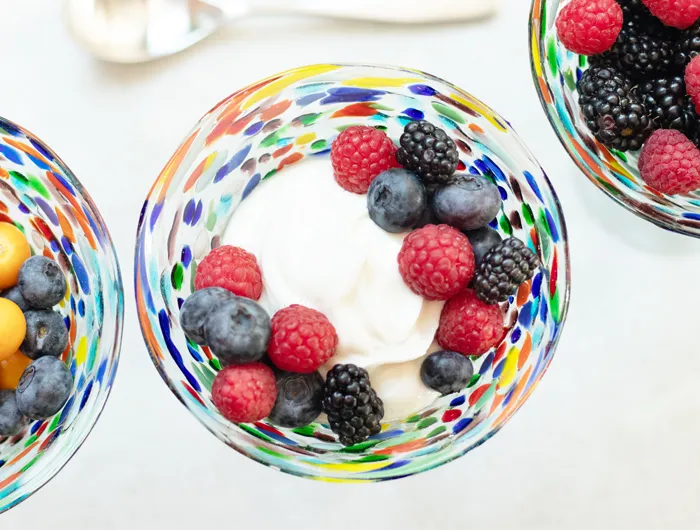
A little extra creaminess from a 2% (lowfat) instead of a 0% (nonfat) variety helps. So does adding fruit. Bonus: When you stir in defrosted frozen fruit, you get an extra flavor boost from the juices that are released during thawing. Try frozen cherries, berries, mango, or pineapple.
To help train your taste buds, mix plain yogurt with vanilla yogurt. As you adjust to the tang, bump up the plain and cut back on the vanilla.
Note to plant-based eaters: If you want a plain dairy-free yogurt with zero added sugar, look for “unsweetened.” Some plant-based brands also offer slightly sweetened “plain” yogurts that have 3 to 6 grams of added sugar. That’s about as much sugar as the natural lactose in plain dairy yogurt, so it’s no big deal.
2. For flavored yogurt, keep a lid on sugar.
We call our picks for the healthiest yogurts “Best Bites” and our runners-up “Honorable Mentions” (scroll down for the full list). Our added-sugar limit for Best Bites stands firm at 0 grams, but Honorable Mentions can have some. We drew the line at no more than 8 grams—about 2 teaspoons—per serving. Many flavored yogurts add more than that.
Some flavored yogurts slash the sugar by using low-calorie sweeteners like stevia extract, monk fruit extract, or allulose (see No. 3 below). Those are fine, but we didn’t award Best Bites or Honorable Mentions to any yogurts that add sucralose or acesulfame potassium, two low-calorie sweeteners that our Chemical Cuisine guide to food additive safety rates as “Avoid.”
We also would have disqualified yogurts sweetened with aspartame, but we didn’t find any. Yogurts that used aspartame years ago have largely replaced it with sucralose and acesulfame potassium.
3. Find a lower-sugar yogurt that tastes good to you.
Marlena Koch – CSPI.
We found plenty of sweet-tasting flavored yogurts that have just a little added sugar (Honorable Mentions) or none (Best Bites). The mixed bag ranges from sorta- to super-sweet.
The sorta-sweets simply add less sugar. The super-sweets replace all their added sugar with low-calorie sweeteners like stevia extract, monk fruit extract, or allulose. (Stevia and monk fruit extracts are sweeter than regular sugar.) Some people detect a slightly bitter aftertaste from low-calorie sweeteners, while others don’t. Follow your taste buds.
If you want a great-tasting flavored Honorable Mention that adds less sugar than most yogurts, try:
Chobani Less Sugar Greek
Fage Total 2% Greek (except the Honey variety)
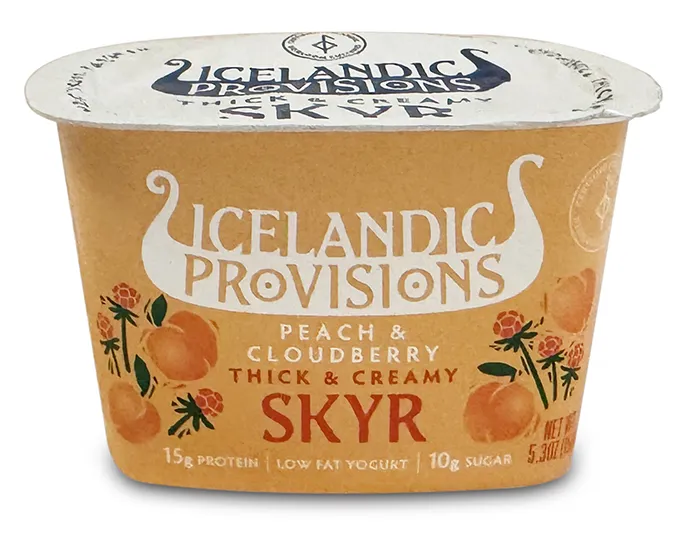
Icelandic Provisions Thick & Creamy Skyr (see photo)
Siggi’s Fat Free or Lowfat Skyr
If you want a flavored Best Bite that replaces all its added sugar with low-calorie sweeteners, try:
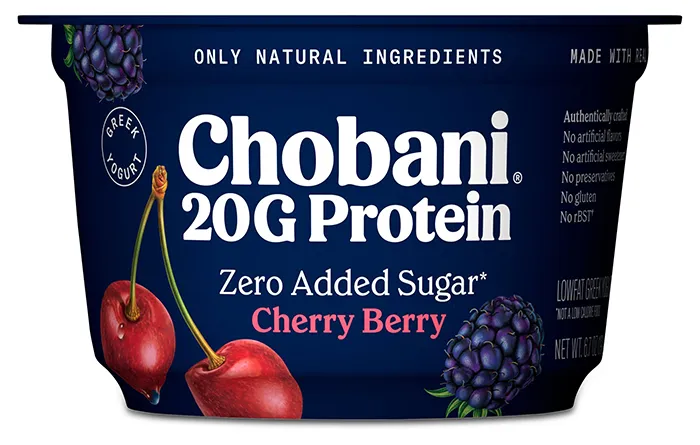
Chobani—Zero Sugar Greek or 20G Protein Greek
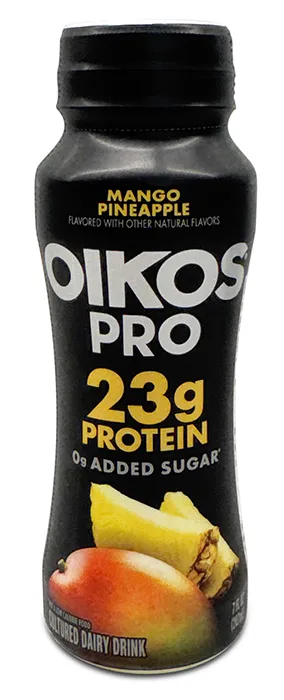
Oikos—Pro or Triple Zero Greek
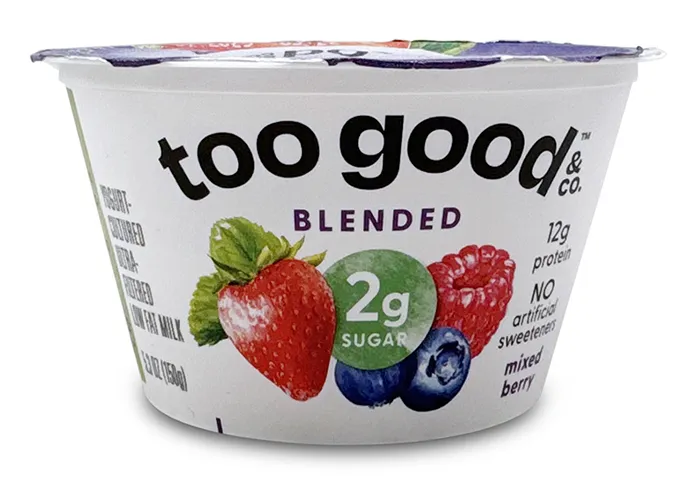
Too Good—Zero Sugar, Blended, or Fruit on the Bottom
Our taste testers detected the strongest sweetener aftertaste in each brand’s “Zero” variety. Two others that fared better—Oikos Pro and Chobani 20G Protein Greek—are delightfully thick and creamy (the Pro has an almost pudding-y texture).
Heads up: Dannon Light + Fit, Yoplait Protein, Yoplait Light, and Ratio Protein are all sweetened with acesulfame potassium and/or sucralose. Skip ’em.
Note: We don’t recommendany low-calorie sweeteners for kids because they haven’t been tested for long-term safety in children. To play it safe, offer kids plain yogurts or yogurts that simply add less sugar (like Chobani Less Sugar, Fage Total 2%, Siggi’s, and Icelandic Provisions).
4. Seek out lowfat (2%) or nonfat (0%) yogurt.
Compared to full-fat, lower-fat yogurt has less unhealthy saturated fat and fewer calories, but at least as much protein and calcium. So our sat fat limit for Best Bites and Honorable Mentions (2.5 grams per serving) lets in lowfat (2%) and nonfat (0%) yogurts but not whole-milk (4% or 5%) yogurts.
French-style yogurts like Oui and La Fermière are made with whole milk or whole milk plus cream. Other full-fat clues: “Creamy” or “extra creamy” in the name.
Most plant-based yogurts that are made with oatmilk, almondmilk, or soymilk are low in sat fat, but coconutmilk yogurts miss by a mile. Virtually all of coconut’s fat is saturated.
5. Should you choose Greek, Icelandic, ultra-filtered, or regular yogurt?
Marlena Koch – CSPI.
Any of them can win a Best Bite or Honorable Mention. Where they differ: taste, texture, protein, and calcium. Go with what matters most to you.
Taste: Compared to Greek yogurt, regular yogurt has a few extra grams of naturally occurring sugar, so it has less tang if you buy plain.
Texture: Greek yogurt and Icelandic skyr are strained, so they’re thicker than regular yogurt. Yogurts made from ultra-filtered milk are also thicker than regular yogurts.
Protein: Greek yogurt, Icelandic skyr, and ultrafiltered yogurts have roughly two to three times as much protein as regular yogurt.
Calcium: Regular yogurt has slightly more calcium than Greek or Icelandic. Ultra-filtered yogurts vary.
We only gave plant-based yogurts Best Bites or Honorable Mentions if they had as much protein (5 grams) and calcium (8% of the Daily Value) as a serving of lowfat dairy yogurt. (That’s as low as lowfat dairy yogurts go. Many have more protein and calcium.)
6. Don’t expect Vitamin D. It varies.
Most dairy milk that’s sold in supermarkets has added vitamin D. But not most dairy yogurt.
Brands vary. For example, Vitamin D is rare in plain Greek yogurts, but Stonyfield’s plain regular yogurts have 10% of the Daily Value (DV) per serving. What about flavored yogurts? Oikos Pro, Oikos Triple Zero, and Too Good yogurts have 10% of the DV, but Chobani, Siggi’s, and Fage have none.
Since you can’t count on getting vitamin D from yogurt, we didn’t set minimums for Best Bites or Honorable Mentions.
7. Lactose intolerant? You’ve got options.
NIQ Product Explorer.
All plant-based yogurts are lactose-free, but that doesn’t mean you have to ditch dairy. Even if you know you can’t tolerate milk, it’s worth giving dairy yogurt a try (tip: start with a small serving). The yogurt’s live cultures help digest its lactose.
You can also reach for a lactose-free dairy yogurt. Most of them add lactase enzyme to digest the lactose for you, while others filter out much of their milk's lactose and then add yogurt cultures that ferment the rest. All of these yogurts fit the bill:
Fage BestSelf Lactose Free
Green Valley Lactose Free
Too Good Zero Sugar
Chobani Zero Sugar
Chobani 15G, 20G, or 30G Protein
8. Is more protein better?
Marlena Koch – CSPI.
A new crop of yogurt tubs and drinks with names like Oikos Pro, Oikos Fusion, Yoplait Protein, Ratio Protein, and Chobani 30G Protein pile on 15 to 30 grams of protein. That’s because they’re made with high-protein ingredients like whey protein or ultra-filtered milk, or because they offer a larger-than-usual serving of Greek yogurt. Does that matter for you?
On the upside, the protein is a meal-size dose. So that takes care of, say, breakfast or another meal when you don’t feel like eating beans, meat, poultry, or seafood. And the Oikos and Chobani tubs and drinks use safer low-calorie sweeteners, so they all earn Best Bites. (Skip Yoplait Protein and Ratio Protein, which contain sucralose.)
Just don’t fall for all their hype: “Complete protein,” says an Oikos Pro drink. “23g of protein to help support muscles.”
Yes, the protein in yogurt—along with the protein in all dairy, meat, poultry, fish, or eggs—is “complete.” That means it contains all the essential amino acids your body can’t make. Most plants fall short in some places. Grains, for example, are low in the essential amino acid lysine, and beans are low in methionine. But that only matters if you’re getting all your daily protein from a single food. When you eat a variety of plant foods (as most people do), you end up getting what you need.
As for Oikos’s “help support muscles” claim, “support” doesn’t mean much. Only strength training (plus eating enough protein) can build new muscle. Extra protein alone won’t do it. And most adults in the US already eat enough protein to exceed the 50-gram Daily Value.
The bottom line: Eat (or drink) a healthy higher-protein yogurt if you enjoy the taste. Just don’t assume you need a more expensive yogurt with more protein. And while some of our taste testers liked the protein drinks’ thick texture, others found them a bit chalky.
9. Some yogurts are sugary desserts.
Yogurt can taste like dessert without overdoing the added sugar or saturated fat. Just try our recipe for Marzipan Yogurt.
Kate Sherwood - CSPI.
With names like Caramel Sundae, Cherry Cheesecake, and Orange Cream Pop, it’s no shock that new Chobani Creations Greek yogurts have roughly 3-1/2 teaspoons of added sugar apiece. They also pick up 4 or so grams of sat fat—20% of a day’s recommended max—from their whole-milk yogurt base.
French yogurts like Oui and La Fermière are no better. In fact, a 5 oz. Oui Creamy Vanilla & Chocolate whole milk yogurt has as much sat fat, added sugar, and calories as a 2/3-cup serving of Breyers Vanilla Chocolate Ice Cream.
Craving dessert-like toppings? If you want an all-in-one, bypass Chobani Flips in favor of the new, lower-sugar Oikos Remix (most flavors are Honorable Mentions).
Better yet, do it yourself. Start with a tub or bowl of lowfat yogurt, add some fruit, then top it off with a sprinkle of fun stuff. A few ideas:
Cherries and a spoonful of mini chocolate chips
Berries and toasted slivered almonds (like in our Marzipan Yogurt)
Sliced bananas and nut butter (warm it in the microwave so you can drizzle it on)
10. Picking a plant-based yogurt? Don’t expect perfection.
Let’s be honest. It’s hard to find the holy grail of plant-based yogurt—one that tastes great, is low in saturated fat, and has roughly as much protein and calcium as dairy yogurt.
We found only a handful of plant-based Best Bites and Honorable Mentions, so if you’re vegan or dairy-free, it’s also reasonable to try some near misses (more on that below). But if you’re just trying to eat a diet that’s low in animal foods to lighten your impact on the planet, you could buy milk that’s plant-based and yogurt that’s dairy.
Coconut yogurt
Most plant-based coconut yogurts have more saturated fat than whole-milk dairy yogurt. For example, a 5.3 oz. tub of Silk Greek Style Coconutmilk has 10 grams (half a day’s worth). A 6 oz. serving of Culina Plain & Simple hits 21 grams (gulp!).
Vegans don’t eat (sat-fat-rich) cheese, butter, whole milk, or red meat, so they may have more wiggle room for sat fat from coconut. But it’s a whole lot easier to squeeze in, say, 7 grams from Siggi’s Plant-based Coconut Blend than 14 grams from Cocojune. What’s more, Siggi’s delivers 10 grams of protein per serving (mostly from added pea protein). Nice!
Almond yogurt
Compared to coconut, almond-based yogurts like Silk Almondmilk and Kite Hill are lower in sat fat, higher in healthy fat, and often higher in protein. (Kite Hill adds some soy protein isolate to its Greek Style yogurts.) Unfortunately, our taste testers noted a bitter aftertaste in Kite Hill. Silk tastes somewhat better, though it’s a bit chalky. And unless you go with the Plain or Unsweet Vanilla, it’s too high in added sugar for a Best Bite or Honorable Mention.
Soy yogurt
Silk Soymilk yogurts have a lot to like. As with almond yogurt, you don’t have to worry about unhealthy fat. And the protein (6 grams) and calcium (15% of the DV) are on target. Plus, soy comes closer to the taste of dairy yogurt than most of its plant-based competitors.
It’s a pity that Silk’s plain soy yogurt—an Honorable Mention with just 4 grams of added sugar—can be hard to find in many supermarkets. (We tracked it down at a health food store.) The flavored varieties, which are easier to come by, add more sugar (11 or 12 grams).
Oat yogurt
Thick, creamy Icelandic Provisions Oatmilk Skyr doesn’t get an Honorable Mention, but it comes darn close. The 5 oz. tubs stay under our sat fat limit, the added sugar (up to 9 grams) hovers around our limit (8 grams), and the protein (12 grams) even rivals some dairy Greek yogurts, thanks to added pea protein. But the calcium falls a little short.
Our comparison chart of dairy and plant-based yogurts’ nutrition
Best Bites have no added sugar. Honorable Mentions can have up to 8 grams per serving. Both have no more than 2.5 grams of saturated fat and no sucralose, acesulfame potassium, or food dyes. Yogurt lines that contain one or more of those additives in at least one flavor have a • symbol.
Dairy-free yogurts only get Best Bites or Honorable Mentions if a serving matches or exceeds dairy yogurt’s 5 grams of protein and 8% of the Daily Value (DV) for calcium.
Yogurts are ranked from least to most saturated fat and added sugar, then most to least protein and calcium.
Dairy
Plant-based
Donate to CSPI today
CSPI heavily relies on our grassroots donors to fuel our mission. Every donation—no matter how small—helps CSPI continue improving food access, removing harmful additives, strengthening food safety, conducting and reviewing research, and reforming food labeling. We don't take donations from corporations, and our flagship publication, Nutrition Action, doesn't run any ads. That means that everything we do is fiercely independent and unbiased from any bad actors, no matter how powerful. To help keep this online content 100% free, consider donating today to support CSPI.
Our free Healthy Tips newsletter offers a peek at what Nutrition Action subscribers get—healthy recipes, scrupulously researched advice about food of all kinds, staying healthy with diet and exercise, and more.