Whole grains: Why they’re healthy and how to eat more
Why do health authorities recommend getting at least half of your grain servings from whole grains? Here are 5 good reasons to eat more of these nutrient-dense superstars.
This article comes fromNutrition Action. We don’t accept any paid advertising or corporate or government donations. Any products we recommend have been vetted by our staff and are not advertisements by the manufacturers. They’re just healthier foods we think you’d like to know about!
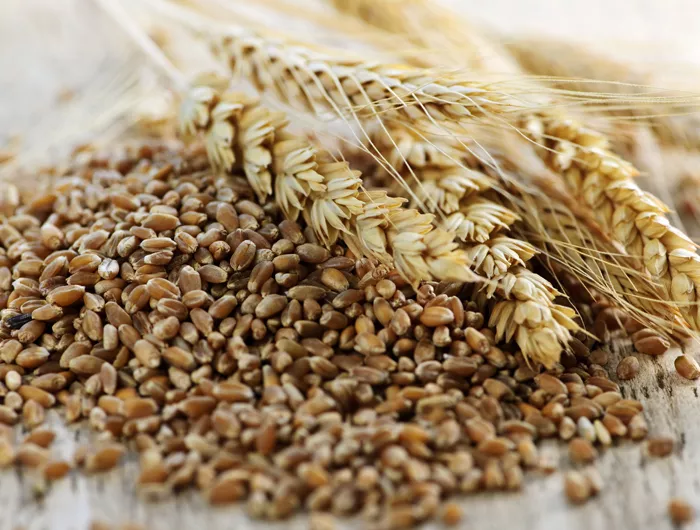
1. Whole grains have more of some vitamins and minerals than their refined-grain versions. Refining grains—turning whole wheat berries into white flour, for example—removes the nutrient-rich bran and germ in the whole grain. That reduces the grain’s vitamins and minerals. Some of those vitamins and minerals (like iron and a B-vitamin called folate) get added back to “enriched” white flour, rice, and other enriched grain products. But other vitamins and minerals (like vitamin B-6, magnesium, and zinc) don’t.
2. Many whole grains are full of fiber. Whole grains hold on to their bran (outer layer), which is rich in fiber. Why does that matter? Because the evidence linking fiber to a lower risk of heart disease and type 2 diabetes comes from studies of people who ate foods rich in unprocessed fiber. That’s the kind that occurs naturally in whole grains, as well as beans, peas, lentils, fruits, and vegetables. So don’t rely only on the processed fibers—like inulin (chicory root fiber), soluble corn fiber, and polydextrose—that are added to bars, shakes, and many other foods.
3. Whole grains supply magnesium. The mineral isn’t easy to come by in foods. Roughly half of diets among people in the US fall short. Magnesium has been linked to a lower risk of type 2 diabetes, and whole grains are among the best sources. (Two others: beans and leafy greens.)
4. Swap some refined grains for whole grains. Most of us eat enough grains overall, but about five out of every six servings in the average American diet are refined grains. We’d be healthier if at least half of our servings were whole grains.
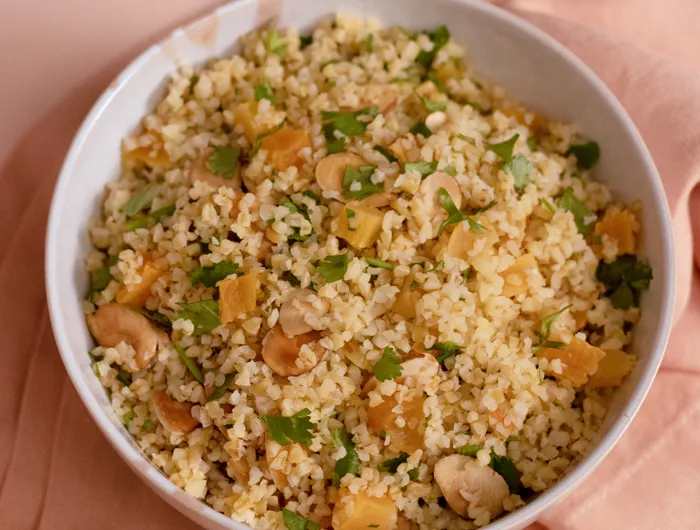
5. Whole grains are easy, tasty, and satisfying. It’s not just whole wheat bread, whole wheat pasta, and brown rice. Nutty-tasting, satisfying, and easy to prepare whole grains abound—wheat berries, bulgur, quinoa, teff, millet, wild rice, you name it.
How much do I need? To see how many servings of whole grains and other foods are in a healthy DASH-style eating pattern, check out our chart. Note: It shows servings for people who eat roughly 2,000 calories a day. If you need to eat more or less than that, adjust your servings.
How to cook whole grains
Kate Sherwood - CSPI.
Trying to eat more whole grains? Make it easy on yourself:
Keep quick-cooking whole grains on hand. Need to think fast? Bulgur, quinoa, and whole wheat pasta can go from package to plate in 15 minutes or less. Ta-da! Dinner is served.
Plan ahead for other whole grains. Wheat berries and whole-grain rice (wild, brown, purple, black) need 30 minutes to an hour on the stovetop or in the rice cooker. The upside: you can freeze the extras and then quickly reheat them in the microwave.
Start your day with whole grains. To get in some whole grains before lunchtime hits, work them into your usual morning meal:
For starters, there’s oatmealand other whole-grain hot cereals. Toss in your favorite fruits, nuts, and seeds (spices, too!). Got five minutes? Go with rolled (aka old fashioned) oats or creamy oat bran. Got 20 minutes? Give steel-cut oats a try. Then get to the fun part: toppings. Dress up your bowl with oldies-but-goodies like cinnamon, raisins, or walnuts. Or try fresh fruit (apples, pears, berries), nut butter (rest a spoonful on top of your hot oats until it gets all melty and drizzly), or nutrient-packed seeds (chia, pumpkin, sunflower, hemp). Or go savory.
Want your oats cold? Make overnight oats by soaking your own blend of rolled oats, fruit, and nuts or seeds in milk and/or yogurt in the refrigerator. For a shortcut, start with a no-sugar-added muesli like Bob’s Red Mill Old Country Style.
Looking for whole-grain products? Shop smart with our guides to spotting healthy breads, wraps, cereals, frozen entrées, granola bars, and other snacks in the supermarket.
CSPI heavily relies on our grassroots donors to fuel our mission. Every donation—no matter how small—helps CSPI continue improving food access, removing harmful additives, strengthening food safety, conducting and reviewing research, and reforming food labeling. We don't take donations from corporations, and our flagship publication, Nutrition Action, doesn't run any ads. That means that everything we do is fiercely independent and unbiased from any bad actors, no matter how powerful. To help keep this online content 100% free, consider donating today to support CSPI.
Our free Healthy Tips newsletter offers a peek at what Nutrition Action subscribers get—scrupulously researched advice about food of all kinds, staying healthy with diet and exercise, and more.