Matheus (plant), New Africa (veggie burger) - stock.adobe.com.
Does vegan protein build muscle? Are plants actually toxic? Is a plant-based diet always healthiest? While the hardcore carnivores and herbivores duke it out, the rest of us are caught in the confusing crossfire. Here are four myths about plant proteins, antinutrients, and plant-based diets.
Myth: Plant-based proteins are low quality and don’t build muscle as well as animal protein
Judging by the protein-pumped bars, pastries, drinks, pretzels, chips, and other foods lining supermarket shelves, we’re in an era of protein obsession. Cue the “protein quality” worries.
But what is protein quality? Put simply, it’s how easily and efficiently our bodies can use the protein in the foods we eat by breaking it down into its components—a.k.a. amino acids—and repurposing those amino acids to build our own proteins.
“Protein quality is based on two factors: digestibility and amino acid content,” says Reed Mangels, a registered dietitian specializing in plant-based nutrition and a nutrition advisor with the Vegetarian Resource Group.
Digestibility. How much of a given protein can your body absorb? Multiple factors can reduce or boost absorption. “The protein you eat from whole foods comes packaged with all sorts of things,” Mangels explains. She’s talking about the “food matrix”—the way nutrients, fiber, and other compounds are bound together in a food. “That complexity, plus the effect of cooking, affects how efficient your body is at digesting protein,” says Mangels.
Amino acid content. Amino acids are the links strung together to form the chain that makes up a protein (in food and in our bodies). Nine amino acids are considered “essential” for humans. That means we can’t make them ourselves and have to get them from food.
The closer a protein’s amino-acid makeup is to the proportions of all nine essential amino acids we need, the higher its quality.
Animal-based foods—like meat, dairy, and eggs—are typically the highest-quality proteins. Plants are usually low in one or more essential amino acids. Diets that are very limited—they include, say, mostly beans and no grains or mostly grains and no beans—may not provide all the essential amino acids. But because we typically eat a combination of foods, plant-based diets are unlikely to fall short in any of the essential amino acids over the course of the day. And that’s what matters.
One downside: “Plant proteins are somewhat less digestible because of their fiber, which animal foods lack,” Mangels notes. Does that mean animal proteins are better for building muscle and getting stronger? Not quite. High-quality plant protein seems to boost muscle strength just as much as animal protein.
That was the bottom line in an analysis of 32 randomized trials that pitted plant sources of protein—in powders, meal substitutes, and plant-based diets—against animal protein. About half of the trials included an exercise component (like strength training or walking). Regardless of whether participants were eating plant or animal protein, they made similar strength gains (on exercises like squats, leg extensions, and bench presses or on hand-grip strength tests).
Praewphan - stock.adobe.com.
One caveat: The plant protein of choice in most of the studies was soy. That matters because soy is among the highest-quality plant proteins, on par with whey (one of the proteins in milk). What about other sources of plant protein? They may be slightly less effective for gaining strength, though so far, few trials have looked.
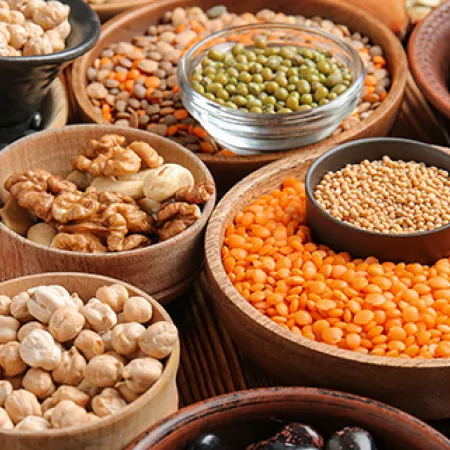
But if your goal is just to get enough protein, plant-based diets are more than adequate, Mangels says. “They have many sources of protein and don’t contain just beans or just grains.” A varied diet will cover all your bases (or rather, all your amino acids).
The bottom line: You can see similar gains in strength from resistance training whether you rely on animal-based or high-quality plant-based proteins (like soy).
Myth: Antinutrients in plant-based foods make them less nutritious…and even dangerous
There’s a kernel of truth here: Compounds in plants known as antinutrients can interfere with your body’s ability to absorb some nutrients.
“Many antinutrients bind certain minerals and prevent your body from absorbing or using them,” says Mangels. And that could pose a problem for vegans, vegetarians, and people whose diets are already low in those nutrients.
But let’s not get carried away. Consider the evidence for four common antinutrients:
Phytate
Phytate is found in foods like whole grains, beans, and nuts. Although it can hinder your body’s uptake of calcium, getting more phytate is linked to greater bone density in postmenopausal women. Why? Phytate may work at the cellular level to prevent the breakdown of bone tissue that comes with aging. (More studies are needed to understand the impact of phytate, especially in people other than postmenopausal women.)
Oxalate
Oxalate gets a bad rap for binding calcium and iron, which could mean you’ll absorb less of them—especially from foods, like spinach, that contain much more oxalate than calcium and iron.
But the bigger concern about oxalate is kidney stones. Oxalate and calcium combine in the urine to form crystals that build up in the kidneys.
Don’t blame it all on the oxalate, though. Often, the problem is drinking too little fluid, which causes urine to become more concentrated with oxalate and calcium. Eating too much salt is also a culprit because it leads to more calcium in the urine.
In some cases, people develop kidney stones from overeating oxalate-rich foods—like uncooked spinach and chard (cooking reduces oxalate levels), tea, rhubarb, and some nuts and seeds—but that happens over a matter of months or years. An occasional oxalate-rich meal is unlikely to push you into kidney-stone territory. (Note: If your healthcare provider tells you to limit oxalate or make other diet changes because you’ve had stones, be sure to follow their advice.)
Seventyfour - stock.adobe.com.
Goitrogens
Goitrogens are compounds that can interfere with how your body makes thyroid hormones.
Soy isoflavones happen to be goitrogens. You’ll also find them in cruciferous vegetables and a handful of other foods.
Some goitrogens can impair enzymes that your body needs to make thyroid hormones. Others can disrupt thyroid hormone levels by blocking the thyroid’s access to iodine, a key component of the hormones. And iodine is often low in strict plant-based diets. (Dairy and seafood are top food sources, though vegans can get iodine from iodized salt and multivitamin-and-mineral supplements.)
How much does that thyroid disruption matter?
If you’re consistently not getting enough iodine, then it might be worth looking at how much goitrogen-rich food—especially uncooked—you eat. (Cooking reduces some goitrogens, like those in cruciferous vegetables.) But as long as you’re getting the recommended intake of iodine, you have little cause for concern. (The Recommended Dietary Allowance for iodine is 150 micrograms a day for adults. That jumps to 220 mcg if you’re pregnant and 290 mcg if you’re breastfeeding.)
Protease inhibitors
Protease inhibitors—antinutrients feared by the protein-maxxing crowd—are found in beans and grains. Because protease inhibitors block the enzymes that our bodies use to break down proteins in food, they may reduce protein absorption to some extent (by how much is still unclear).
Don’t let that stop you from eating healthy foods, though. “If you cook your grains and beans, it largely inactivates their protease inhibitors,” says Mangels. (Cooking also somewhat lessens the activity of phytates, oxalates, and goitrogens, she adds.)
Mangels’s bottom line: “It’s simply a myth that antinutrients make plant-based foods inferior to animal-based foods.”
Myth: Plant-based alternatives are always healthier for you
When it comes to plant-based alternatives to animal foods, not all products are created equal. “It really is a case-by-case basis,” says Mangels. It ultimately comes down to the tradeoffs that matter most to you.
Plant-based meat
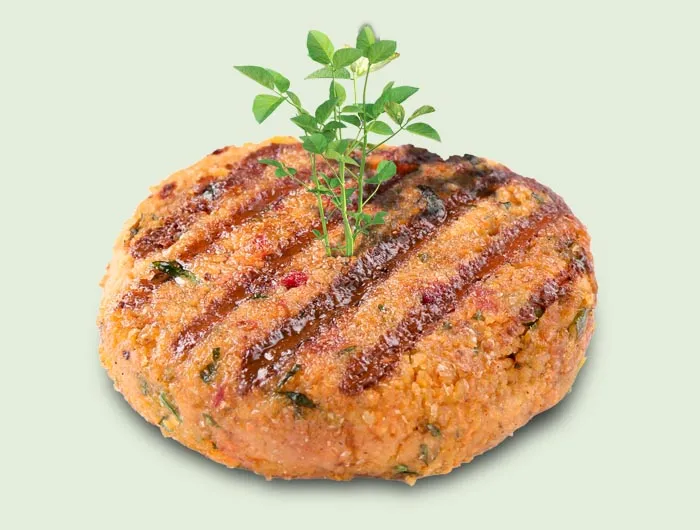
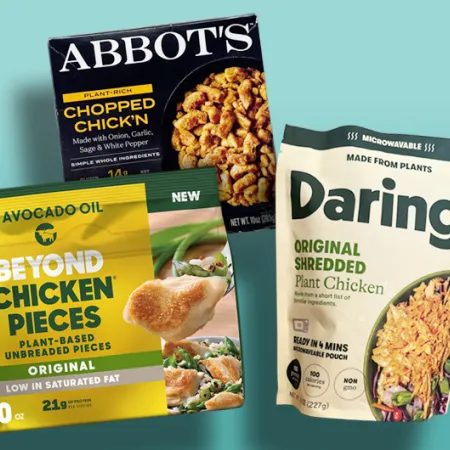
Many plant-based meats have less saturated fat than animal meats (especially fatty cuts of beef and pork). That’s good for keeping a lid on your blood cholesterol levels…unless your plant-based pick happens to be made with sat-fat-rich coconut oil (check the label). Some plant-based meats have also been fortified with zinc and B vitamins to match their animal equivalent. That’s another plus. And many supply a few grams of fiber (sometimes from whole soy, beans, and/or whole grains). Meat has none.
On the downside, many plant-based meats have less protein. “They can also be high in sodium,” Mangels notes. That’s not great for your heart and brain over the long run. If you opt for a higher-sodium plant-based meat, Mangels suggests keeping the rest of your meal light on salt. (For more tips and a list of moderate-sodium products, check out our guide to alt-meats.)
Plant-based milks
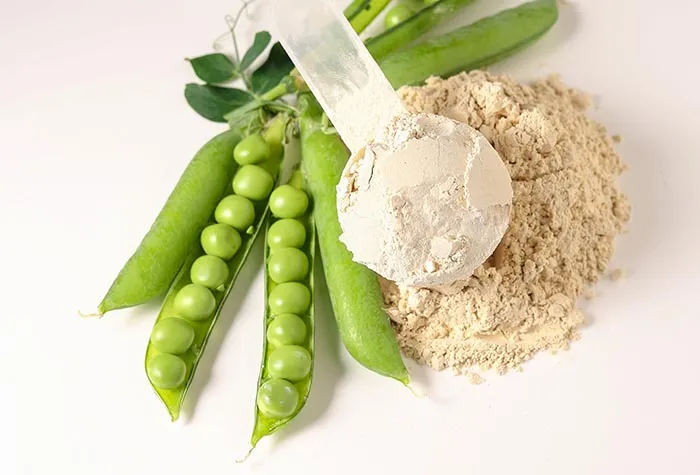
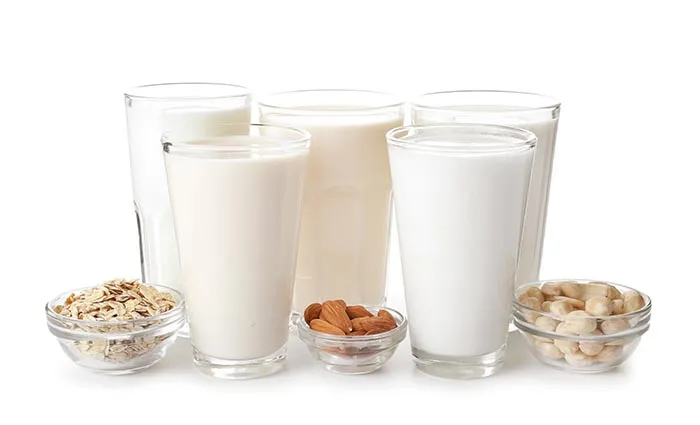
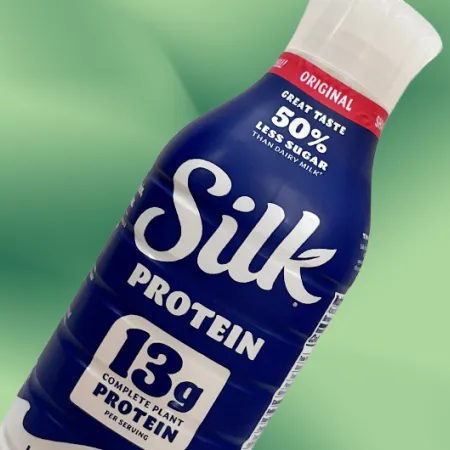
“When it comes to plant-based milks, choose one that’s fortified with calcium, vitamin D, and vitamin B-12,” says Mangels. And if you rely on milk for protein, look for one with about as much as dairy’s 8 grams per cup. (Your best bets are plant milks made with soy or pea protein.)
Why do plant-based milks vary so much in vitamins, minerals, and protein? For starters, they have different base ingredients—some use nuts, others use grains, still others use seeds or legumes. What’s more, not all companies fortify their products with key nutrients. Ditto for plant-based yogurts.
Do plant milks have any advantages over dairy milk?
An analysis of 17 randomized trials (partly funded by the soy industry) compared measures of heart, liver, and kidney health in people who were assigned to drink soy milk or cow’s milk every day. It didn’t find much of a difference between the two groups, though soy-milk drinkers had modestly lower LDL (“bad”) cholesterol and blood pressure.
What about research on newer alt-milks, like pea milk and oat milk? It’s still too early to say.
Pixel-Shot - stock.adobe.com.
Dairy-free cheese
Unlike plant milks, most dairy-free cheeses fall short. Because faux cheeses are typically made from refined starches and oils that are high in saturated fat (like coconut oil), they’re often as high in calories and sat fat as real cheese…and they’re low in cheese’s helpful nutrients like calcium and protein. Another downside: Like dairy cheese, plant-based cheese can be salty.
“Vegan cheeses are not equivalent to dairy-based cheese in nutrient content and usually don’t have protein,” says Mangels. Even the pricier plant-based cheeses that are made from nuts don’t have as much protein as their dairy counterparts (though they’re often lower in saturated fat). For some of your best options, check out our guide.
Egg alternatives
You can find plant-based “eggs,” though your options are limited.
JUST’s mung-bean liquid “Eggs from plants” is a tad lower in protein than chicken eggs, but it does have a healthier fat profile. It’s a fine (though more costly) alternative…if you have room in your diet for its salt. A three-tablespoon serving of JUST Egg (the equivalent of one egg) contains 210 milligrams of sodium. That’s roughly three times more than you’d get from the real thing. One of JUST’s heat-and-serve “Folded plant eggs” contains 300 mg.
Our advice? For an egg-like scramble, avoid paying the plant-based egg premium and instead try crumbling and sautéing a block of tofu with seasonings (and chopped vegetables, if you like). It’s versatile, healthy, and cheap.
Myth: A 100% plant-based diet is the healthiest diet for humans
If you’ve been following us for awhile, you know that a largely plant-based diet is healthy for people (and the planet). But does the evidence suggest that you need to go fully plant-based for your health’s sake?
“We can’t say whether a very low intake of animal [foods] is better or worse than no animal foods at all,” says Walter Willett, a professor of epidemiology and nutrition at the Harvard T.H. Chan School of Public Health.
That’s in part because the data is limited: Few people are raised on a truly animal-free diet from childhood. And among those who adopt vegan diets later in life, many go back to eating animal products regularly or occasionally.
Moving closer to a plant-based diet lowers your risk for chronic diseases like heart disease and type 2 diabetes, Willett notes, but he adds that “having a little fish, poultry, or dairy may be a safety net to provide certain nutrients.”
And if you’ve ever heard the term “junk-food vegan,” you already know that not all strictly plant-based diets are healthy.
One study found that people who reported eating the least-healthy plant-based diets (they had more sugar and refined grains and less produce) had higher odds of digestive cancers, especially colorectal cancer. Other studiessuggest that unhealthy plant-based diets may raise cardiovascular disease risk. Those lower-quality diets tend to lack key nutrients like iron, zinc, calcium, and vitamin B-12.
And while vegans and vegetarians benefit from lower rates of heart disease, type 2 diabetes, and some cancers overall, they might be more prone to a certain kind of stroke (it’s not clear why) and bone fractures.
According to a study that tracked 65,000 UK adults (4 percent of whom ate no animal products) for 18 years, the vegan participants had more than double the risk for hip fractures than the meat eaters. And that was after the researchers accounted for the vegans’ lower average body weights. (Higher body weights tend to protect against fractures.)
That said, deficiencies aren’t a given for vegans. If you prefer a fully plant-based diet, a multivitamin-and-mineral supplement can offer a decent dose of vitamins B-12 and D, zinc, iodine, iron (if you need it), and other nutrients, while a calcium supplement can fill the gap if you don’t get enough from fortified foods.
CSPI heavily relies on our grassroots donors to fuel our mission. Every donation—no matter how small—helps CSPI continue improving food access, removing harmful additives, strengthening food safety, conducting and reviewing research, and reforming food labeling. We don't take donations from corporations, and our flagship publication, Nutrition Action, doesn't run any ads. That means that everything we do is fiercely independent and unbiased from any bad actors, no matter how powerful. To help keep this online content 100% free, consider donating today to support CSPI.