4 soy foods to add plant-based protein, fiber, or flavor
Anna - stock.adobe.com.
Whether you consider yourself a vegan, vegetarian, flexitarian, or omnivore, you’re probably no stranger to the joys of soy. Perhaps you’ve tried tofu. Or edamame. Or soy milk. But if you’re in search of something new, then don’t overlook tempeh, miso, soy curls, or textured vegetable protein (aka TVP). In just about any dish, those soy foods can pump up the protein and fiber (soy curls, tempeh, or TVP) or boost the flavor (miso).
This article comes from Nutrition Action. We don’t accept any paid advertising or corporate or government donations. Any products we recommend have been vetted by our staff and are not advertisements by the manufacturers. They’re just healthy foods we think you’d like to know about!
Tempeh
Marlena Koch – CSPI.
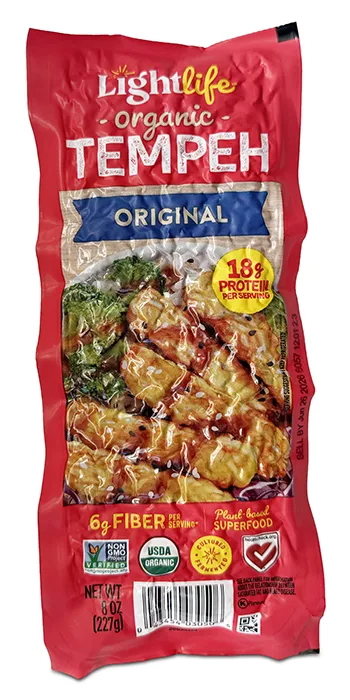
Chew on this: Tempeh is a dense cake of fermented soybeans, so, unlike tofu, it brings a pleasantly toothsome texture to the table. Both tempeh and tofu offer roughly the same protein for their calories, but tempeh delivers more fiber because it’s made from whole soybeans. (Tofu is made from soymilk.) In fact, a 3 oz. serving of tempeh will give you roughly 6 grams of fiber along with its 18 grams of protein.
What to do with tempeh
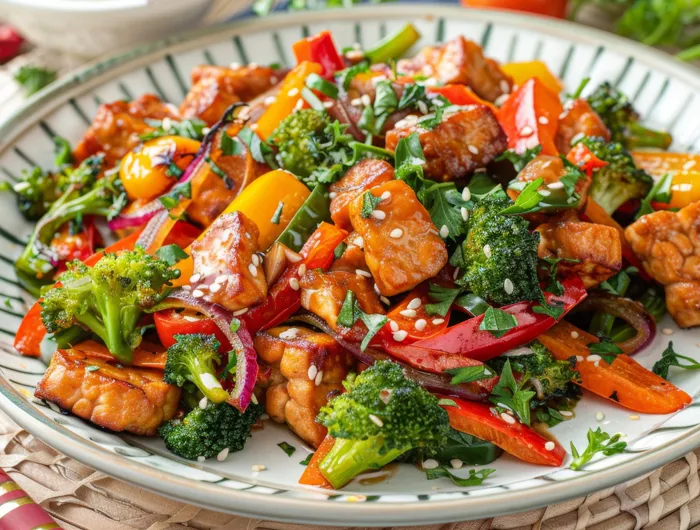
Slice tempeh into triangles or strips, add oil and seasonings, then bake or sauté. Or crumble some into pieces and brown in a hot pan. Crispy tempeh crumbles can even stand in for croutons on a salad. Here are six recipes to get you started:
Miso is a staple of Japanese cuisine that’s made by fermenting soy into a savory paste. It typically comes in three varieties: white, yellow, or red. Which to choose? It depends on the dish. Versatile white miso tends to have a milder flavor and is less salty than darker varieties. (A teaspoon of Whole Foods’ 365 Organic White Miso has 340 milligrams of sodium.)
Marlena Koch – CSPI.
What to do with miso
Miso isn’t just the main ingredient in the miso soup you order before sushi. If you haven’t tried a green salad with homemade miso-ginger dressing or a piece of broiled fish or tofu with a miso glaze, you’re missing out. Mmm. Here are some lick-your-lips recipes that get a flavor boost from the super-savory paste:
Butler Soy Curls have one ingredient: soybeans. That explains the 6 grams of fiber and 11 grams of protein in every ounce. The company soaks, cooks, then dries the beans to produce the shelf-stable dehydrated “curls.” Your job: Rehydrate them by soaking in water or broth for 10 minutes, draining well, and squeezing dry.
If soy curls are hard to come by in your supermarket—and you don’t mind buying in bulk—head to Butler’s website. We ordered a box of six 8 oz. bags for roughly $6 a bag (shipping within the Continental US is free).
What to do with soy curls
Combine rehydrated curls with oil and seasoning, then sauté, air-fry, you name it. Not sure where to start? For inspiration, check out the “Soy Curls Gone Wild” community of enthusiasts on Reddit.
Textured vegetable protein
Lindsay Moyer - CSPI.
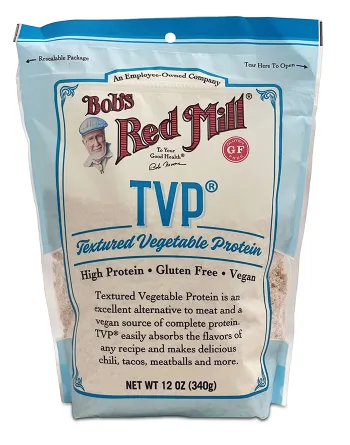
Textured vegetable protein (aka “TVP”) has a lot in common with soy curls. Both are dry, shelf-stable soy proteins that you rehydrate, then cook. The differences: TVP is made from defatted soy flour, so its 12 grams of protein per serving come with slightly fewer calories (80) than a similar-size serving of soy curls (120), which still contain some of soy’s healthy fats. And TVP’s flaked texture means it has less chew.
What to do with TVP
Toss rehydrated TVP in taco filling, chili, or anywhere else you want to replace ground beef. Just make sure to use plenty of seasonings to pep it up. For a recipe, try our Plant-Based Taco Bowl.
CSPI heavily relies on our grassroots donors to fuel our mission. Every donation—no matter how small—helps CSPI continue improving food access, removing harmful additives, strengthening food safety, conducting and reviewing research, and reforming food labeling. We don't take donations from corporations, and our flagship publication, Nutrition Action, doesn't run any ads. That means that everything we do is fiercely independent and unbiased from any bad actors, no matter how powerful. To help keep this online content 100% free, consider donating today to support CSPI.