Constipation is so common that it’s easy to write off the symptoms. But for some people, occasional irregularity can eventually become a chronic, debilitating disorder. What can you do to not get backed up? Or what can you do if you already are? We get to the bottom of the science behind what works.
Constipation isn’t one thing
The first thing to know about constipation?
“It’s not a one-symptom disorder,” says Satish Rao, a gastroenterologist and professor of medicine at the Augusta University Medical College of Georgia. “Infrequent bowel movements, excessive straining, hard stools, using fingers to assist bowel movements, feeling a sense of blockage. All of these are constipation.”
Roughly 15 percent of adults in the US have chronic constipation. How do you know if you’re one of them?
“Your own best judge is you,” says William Chey, a professor of gastroenterology, internal medicine, and nutritional sciences at the University of Michigan. “What’s normal for you determines what’s abnormal for you.”
Worry that you’re not going often enough? Having a bowel movement every other day is normal for some people. Having up to three a day is normal for others.
But other symptoms also matter. “Constipation is a change in frequency from your normal habit, along with symptoms like lumpy stools, a sensation of incomplete emptying, or straining,” Chey notes.
Almost everyone has constipation at some point. It can last for a few days to a few weeks and is often due to changes in diet or routine, travel, prescription drug use, or stress. In most cases, it resolves on its own or after a short course of over-the-counter medications or supplements like psyllium fiber or magnesium.
But constipation that lasts for three months or longer is likely a more complicated disorder.
What is chronic constipation and how does it develop?
Barring some kind of injury, chronic constipation usually doesn’t happen overnight.
In some people, frequent episodes of occasional constipation may culminate in the chronic form, Rao suggests.
“It may start with some irregularity that can be managed with an occasional laxative,” he says. “But then it happens again and again until medications don’t work anymore.”
In other cases, “there is a problem somewhere outside the gut that causes the colon to stop functioning properly.” That could result from a habitually low-fiber diet, physical inactivity, or health issues like Parkinson’s disease, diabetes, or low thyroid function—all of which can affect gut function.
Medications can also do a number on the gut. “It’s well known that opioids will constipate you, but so can many other drugs—some antidepressants, anticholinergics like those used to treat overactive bladder, blood pressure drugs, GLP-1 drugs for diabetes or weight loss, and so on,” says Rao. Ditto for iron supplements.
Note: If you think your meds might be to blame, talk with your doctor before making any changes.
Chronic constipation can also arise from the gut itself. In some people, “the colon has become lazy because of nerve or muscle damage,” says Rao.
More often, though, “the muscles involved in the act of pooping have become uncoordinated.” For example, the pelvic floor may contract when it needs to relax, or the abdominal muscles may not generate enough pressure to produce a bowel movement.
That’s called dyssynergic defecation.
“It’s a learned behavioral problem,” Chey explains. “In trying to pass hard, lumpy stools, some people may actually learn abnormal defecation behavior.”
Another culprit: “Many people have what’s called irritable bowel syndrome with constipation, where they have discomfort or pain,” says Rao. IBS-C arises from faulty communication between the brain and the gut. In some cases, it can be triggered by a bout of food poisoning that causes pain receptors in the bowel to become overly sensitive. The FDA has approved several drugs for IBS-C, including linaclotide (Linzess) and, for women only, lubiprostone (Amitiza).
Who’s at risk for chronic constipation?
Young or old, we all get backed up from time to time. But older adults are especially prone to chronic constipation.
“Age is one of the most potent risk factors,” says Chey. “That’s for a variety of reasons, probably related to poor diet, low physical activity, certain medications, having other health problems, and aging of the gastrointestinal tract.”
A sedentary lifestyle is a major driver of constipation, which explains why people who live in nursing homes or who have disabilities that limit movement, neurological conditions like Parkinson’s disease, or spinal cord injuries are at higher risk.
Another higher-risk group: “In the US, women outnumber men roughly two to one for constipation,” says Rao. “Nobody knows why. Researchers have looked, but we haven’t yet found the reason.”
When should you see a doctor?
Studio Romantic - stock.adobe.com.
“When symptoms reach a point where they are affecting your ability to carry out daily activities or are impairing your quality of life, then it’s time to see a doctor,” says Chey.
“Unexplained bleeding or weight loss or pain when you’re moving your bowels—those things should also prompt a doctor’s visit,” he adds.
What happens if constipation is left untreated for too long? You may suffer from complications like anal tears, blockages of the colon, or even diarrhea. (That can happen when pressure from backed-up stool builds up in the bowel.)
Chronic constipation can be debilitating, but Rao is optimistic. “Today, we have excellent tools to diagnose all the subtypes of chronic constipation, and we have wonderful treatments.”
The best diet for regularity?
“Diet is critically important,” Chey stresses. Fiber is key, but “it’s definitely more complicated than just getting more dietary fiber.” Overall diet quality matters too.
Chey’s recommendation: “The Mediterranean diet is generally good for what ails you. It’s been linked with a lower risk of developing constipation, in addition to its heart-health benefits.”
An analysis of three large studies that tracked nearly 96,000 adults for two to four years found that people whose diets were most similar to a Mediterranean-style or a plant-based diet had a 16 to 20 percent lower risk of developing chronic constipation than people whose diets were the least Mediterranean or plant-based.
So far, no trials have pitted one diet against another for treating chronic constipation in otherwise-healthy people, so it’s not clear whether a Mediterranean or plant-based diet offers more than just prevention.
In either case, it’s not just what you’re eating. It’s also how often.
“It’s important to have three regular meals a day,” says Rao. “One meal a day won’t cut it. And missing breakfast is bad news.” That’s because meals act as “natural stimulants,” so skipping them can slow down the gut.
Fiber can improve (or worsen) constipation
Boosting fiber from foods or supplements is often the first step to treating constipation. (Check out our fiber cheat sheet.)
“Aim for a high-fiber diet rich in fruits, vegetables, legumes, seeds, and whole grains, with a target of 25 to 38 grams of fiber per day,” says Nicola McKeown, a research professor in nutrition at Boston University. “That will provide a variety of fiber types that help increase stool bulk, among other health benefits.”
Fiber types? As it turns out, there are two: soluble and insoluble. Both can alleviate constipation.
Soluble, viscous fibers bind water, which softens stool and adds bulk. (Larger, softer stools are easier to pass.) Coarse insoluble fibers (like the kind you get from wheat bran) also soften stool.
How? “Coarsely milled wheat bran irritates the lining of the large intestine, causing the bowel to secrete water into the stool,” McKeown explains.
When it comes to staying regular, though, not all fibers are created equal, says McKeown. Two key fiber questions: Is it viscous? Is it fermentable?
If you’re talking about soluble fiber, “you want it to be viscous, meaning it forms a gel as it travels through the digestive tract,” says McKeown. “Fibers that are both soluble and viscous—like psyllium—draw water into the stool and soften it.” (Note: McKeown has received research funding from whole-grain-industry groups and from the maker of Metamucil psyllium supplements.)
Fermentable fibers that are in supplements or are added to packaged foods don’t alleviate constipation. Bacteria break them down—i.e., ferment them—quickly, which means they aren’t around long enough to hold water through the length of the colon, notes McKeown. Fibers that are highly fermentable largely lead to gas and bloating.
That’s the case with inulin (aka chicory root fiber), which is added to thousands of packaged foods, points out Bruce Hamaker, a professor of food science at Purdue University and director of the Whistler Center for Carbohydrate Research.
That means your favorite fiber-fortified “gut health” soda or protein bar may not promote regularity, he cautions. But don’t write off fermentable fibers that are naturally present in whole foods.
While those fibers, which are part of the structure of foods like fruits, vegetables, and whole grains, are largely fermentable (some, like pectin, are also viscous), they are able to hold onto water in the stool throughout the colon because gut bacteria ferment them slowly, Hamaker explains. That’s because the naturally occurring fibers are “trapped” inside plant cell walls that resist digestion.
“Recent evidence suggests that these slow-fermenting fibers can improve regularity and reduce constipation,” says Hamaker.
His bottom line: “Taking just any fiber supplement is not as beneficial as eating a diet that’s naturally high in fiber.”
A word of caution: Some fibers can harden stool and even exacerbate constipation.
For example, the soluble fiber wheat dextrin “isn’t viscous, so it doesn’t soften stool,” says McKeown. “And finely milled wheat bran is insoluble but poorly fermented. It can make your stool drier and harder because it doesn’t hold onto water.”
It’s also important to keep in mind that while fiber can often provide relief from constipation, it’s not a one-size-fits-all solution, Chey cautions.
“Patients with mild to moderate slow-transit constipation benefit from more fiber,” he explains. “But patients with severe slow-transit constipation usually will not get better and in some cases will even get worse.” (That’s because more fiber won’t help move stool that’s already stuck in the bowel.)
Boosting fiber can also boomerang for people with dyssynergic defecation. When you can’t relax the muscles in the pelvic floor or the anal sphincter, notes Chey, extra fiber can make constipation worse.
aamulya - stock.adobe.com.
What makes psyllium special?
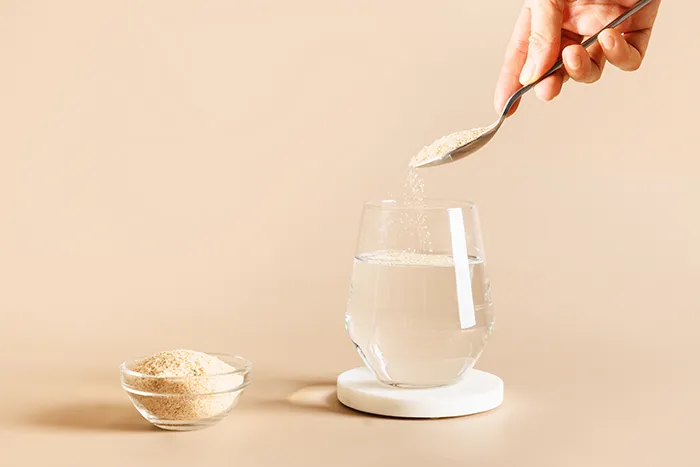
Psyllium fiber—the poster child of constipation relief—comes from the husk of psyllium seeds. (Metamucil is a popular brand, although generic versions should work just as well.) The fiber is soluble and viscous, so it excels at softening hard stools.
“Psyllium has water-holding capacity,” says Chey. “That means it keeps water in the stool as opposed to allowing your body to reabsorb it.”
What’s the magic dose?
A recent analysis that included four randomized trials on psyllium found that at least 10 grams a day (the FDA-approved maximum dose) improved stool frequency and consistency in adults with chronic constipation.
But none of those trials tested doses below 10 grams. Taking less than that might also work. Our advice: Start low and ramp up slowly to prevent GI discomfort. Try taking about 3 grams (a teaspoon of powdered psyllium) per day at first. (And check the label for its recommended daily max.)
One note of caution: In 2024, when the supplement-testing company ConsumerLab analyzed nine brands of psyllium fiber supplements for heavy metals, it found that all of them contained lead. (To find out which brands ConsumerLab tested, you’ll need a subscription to their website.)
Five of the nine brands met ConsumerLab’s safety standards for minimal lead contamination. But just one serving of the most-contaminated brand contained 6.5 micrograms of lead—13 times California’s strict limit of 0.5 mcg per serving. (There’s no safe level of lead exposure, though the FDA’s daily limit is 8.8 to 12.5 mcg for adults.)
It’s not clear how much risk a healthy adult faces from lead levels like those found by ConsumerLab. And psyllium fiber may bind to the lead, preventing your gut from absorbing it. Even so, if you’re concerned about lead exposure, you may want to skip psyllium (especially if you’re pregnant or plan to be).
Low-hanging fruits?
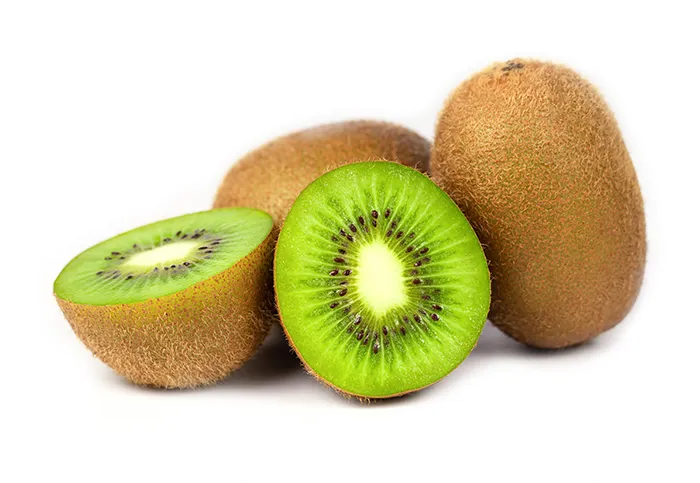
Not sure where to start? Consider adding prunes or kiwis to your fruit rotation.
“With prunes, people assume it’s related to their fiber content,” says Chey. “That’s part of it. But prunes also contain a sugar alcohol called sorbitol that has laxative effects.”
The big difference between the two: “Prunes can cause bloating and flatulence because of their sorbitol, whereas kiwis do not because they don’t contain sorbitol,” says Chey.
Aside from their fiber, green kiwis (less so, golden kiwis) contain an enzyme called actinidin. Animal studies suggest that actinidin stimulates gut contractions that move stool along, though researchers have never tested whether the same happens in humans.
So feel free to try prunes or kiwis. Just keep in mind that the evidence supporting them isn’t the strongest. What’s more, the research on kiwis for constipation is largely funded by the kiwi industry, and results are inconsistent.
And don’t assume that the occasional kiwi or prune will do the trick. Most studies require that volunteers eat two to three kiwis or eight to twelve prunes per day. That might not be your cup of tea.
In the end, the best fruit for constipation may simply be the one you’ll eat regularly.
jintana - stock.adobe.com.
Water for regularity
If water helps soften stool, why not simply drink more of it? For some people, in fact, that might do the trick.
But drinking more water isn’t a gamechanger for everybody. Why? “People who don’t drink enough fluid are more likely to get constipated,” notes Chey. “But not everybody with constipation drinks too little fluid.”
That said, there’s little downside to drinking more water to make sure you’re not dehydrated, especially if you’ve been increasing your fiber intake. “Without enough fluids, fiber can’t soften your stools as effectively,” says McKeown.
Can exercise help?
“We can infer from big population studies that if you’re engaged in regular exercise, you’re more likely to have more regular bowel habits,” says Chey.
But can physical activity help people who are already constipated? Possibly, according to an analysis of nine randomized trials that tested different exercise regimens in adults with constipation.
While aerobic exercise—most participants walked—alleviated symptoms of irregularity, resistance training didn’t fare as well. In the only one of the nine studies that tested it, the participants—older adults living in long-term care facilities—didn’t benefit from twice-weekly resistance training sessions over six months compared to those who were randomly assigned to an educational program unrelated to exercise.
The bottom line: It’s not clear exactly which types of exercise, and at what intensity, might best relieve constipation for different age groups. More research is needed. Regardless, “we should all focus on being as active as we can be, particularly as we get older,” says Chey.
Should you squat?
To sit or to squat? That is the question.
Rao’s verdict: “Go back to squatting!”
“The toilet that we now use was essentially invented during the Victorian era,” he notes. “Suddenly, we moved from the squatting position to the sitting toilet position.”
And that move was bad news for some people.
“Some of us have no issue using modern toilets,” says Rao, “but those of us who do, risk developing dyssynergic defecation.”
Bathroom footstools, which let you prop up your feet, can help you achieve a squat-like stance. (A stack of books can work just as well.)
“It’s absolutely true that defecation is most efficient in the squatting position, with the knees elevated above the level of the hips,” says Chey. “There’s hard evidence that some people really benefit from using a bathroom stool.”
If a footstool doesn’t work for you, you may need to change up your bathroom routine.
“To restore the body’s rhythm that helps us poop, try to ritualize your bowel habit,” suggests Rao. “There are certain times of day when the colon is more active, and you need to capitalize on those windows.”
Those periods of, um, poo-portunity occur shortly after eating meals.
“In the first two hours after waking, the colon is very active,” says Rao. “If we have a good breakfast, we further activate the colon. If you miss the 30-minute window after breakfast, you may have missed the boat, and the next boat may not come until after your next meal.”
Quick fixes
Looking for quicker relief? Turn to the pharmacy.
“If you’re at the point where constipation is bothering you, it’s totally reasonable to try an over-the-counter medication after you’ve tried dietary and lifestyle modifications,” says Chey.
In other words, if diet, exercise, water, and/or psyllium haven’t done the trick, it may be time to think OTC laxative. There are two types: osmotic and stimulant. The osmotic variety may take a few days to work. Stimulant laxatives kick in much more quickly.
The osmotic laxative polyethylene glycol—the active ingredient in MiraLAX—is among the best-tested constipation drugs, Chey notes.
“It’s not absorbed by the gut, so it causes the bowel to naturally secrete more water,” he says. “This softens stool and increases its mass, which enhances contractions in the gut to help move stool along.”
“Magnesium oxide at a dose of 400 to 500 milligrams per day, for example, has a mild laxative effect and is generally safe for healthy people,” says Chey.
Other forms of magnesium, like magnesium citrate and magnesium hydroxide (aka Milk of Magnesia), are also marketed for constipation. Magnesium citrate has the strongest water-drawing effect into the colon while magnesium hydroxide and magnesium oxide act more gently.
But magnesium, especially at the higher doses in laxatives, isn’t for everyone. If you have chronic kidney disease—it’s more common in older adults and you may not have symptoms—ask your healthcare provider before trying magnesium laxatives. (Healthy kidneys eliminate excess magnesium, which prevents dangerously high blood levels from building up.)
Stimulant laxatives, like bisacodyl (in Dulcolax Liquid Gels) and senna (in Ex-Lax), have a more direct effect.
“They stimulate the colon to contract and will cause you to move your bowels more quickly,” Chey explains. “But they can cause more abdominal pain or cramping.”
Which to choose? “If I need something to work quickly as a one-off, I’ll probably use something like bisacodyl or senna,” says Chey. “On the other hand, if I need something I can use more frequently—maybe even every day—I’ll use something like polyethylene glycol or magnesium oxide.”
But, Chey cautions, “if your symptoms are not responding to over-the-counter medications, you need to see your doctor.”
Probiotics
The jury’s still out on whether probiotics can help you go. Preliminary research suggests that some strains of Bifidobacterium lactis may modestly boost the number of weekly bowel movements compared to a placebo in people with constipation. But the evidence that B. lactis (or other) probiotic strains can help reduce symptoms of constipation like pain, bloating, straining, or the feeling of incomplete emptying is weak.
And despite their health halo, probiotics aren’t necessarily risk-free.
In rare cases, immunocompromised patients have developed serious infections from taking probiotic supplements. If you have a disease or condition that lowers your immune function, play it safe and skip probiotics.
Biofeedback therapy
“At the moment, we have about five FDA-approved drugs for treating constipation in addition to over-the-counter treatments,” says Rao. “But the other important part of treatment is retraining the anorectal muscles and pelvic floor using biofeedback therapy.”
In patients with dyssynergic defecation, biofeedback therapy—which builds the mind-to-muscle connection using sensors that give real-time feedback—outperforms other standard treatments like diet, exercise, and laxatives.
Trends with benefits?
Gut-health trends abound on social media. The good, the bad, and the downright dangerous might surprise you.
svetlana_cherruty - stock.adobe.com.
Max out on fiber?
Fibermaxxing—the trendy term for loading up your diet with as much fiber as possible—has struck a chord with the health-conscious crowd on social media. The claim? It promotes regularity and general wellness.
“People tend to think that more is always better, right?” says Chey. “But getting the recommended amount of fiber is good enough.” In other words, there’s no need to shoot for the moon. Plus, fibermaxxing can have downsides.
“People can develop gas, bloating, and even abdominal cramping or pain when they try to take more than 30 to 35 grams of fiber per day,” says Chey.
“And in people who have an unbalanced gut microbiome—what’s called dysbiosis—some kinds of highly fermentable fibers could potentially cause inflammation,” notes Hamaker.
A study in mice with gut damage that was meant to model inflammatory bowel disease found that eating inulin—the ubiquitous fermentable-fiber additive—increases gut inflammation. It’s not yet clear what this means for IBD sufferers, but even some healthy people might be worse off on inulin.
McKeown’s advice to fibermaxxers: “Focus on a variety of fiber-rich foods and not supplements, which can cause discomfort.”
If you want to try a supplement, she adds, know what type of fiber it contains and which specific benefits it can (or can’t) deliver. And increase your daily fiber intake gradually to minimize discomfort from gas, bloating, and cramping.
Prune juice cocktail?
Heard about a concoction of prune juice, hot water, and a few pats of butter (a “hot buttered prune,” if you will) to get your bowels moving? The home remedy may not sound appetizing, and there’s no research to back it up, but Chey sees its potential.
Prune juice contains both sorbitol and fiber, but why add hot water?
“Warm water may have a laxation effect,” notes Chey. As for butter, “ingesting fat triggers contractions in your colon that occur in response to putting food into your stomach.”
For now, the benefits of this unproven hack are purely hypothetical. The upside? It’s low risk. The downside? Four ounces of unsweetened prune juice mixed with equal parts hot water and a tablespoon of butter has 190 calories and adds about a third of a day’s limit of saturated fat to your diet.
Colonics to cleanse?
“Colonic irrigation and hydrotherapy are bad news,” says Rao.
The practice, which involves flushing the lower bowel with a large volume of water to empty out—or “cleanse”—the colon, “disrupts your colonic microbiome, and if you do it repeatedly, you’re chronically harming your colon,” adds Rao.
And in rare cases, colonics can lead to serious injuries, infections, or even death.
Rao also cautions against frequent use of enemas. They may clear the way for a difficult bowel movement, but overuse of them can untrain the muscles of the rectum.
Bottom line
Occasional constipation is a fact of life. For most people, keeping it at bay is a question of meeting the daily fiber recommendation, drinking enough water, and staying active. Stubborn bouts of constipation may require a short course of OTC meds, psyllium fiber, or magnesium. If your irregularity persists, sticking to a post-meal bathroom routine (and getting a leg up from a footstool) might do the trick.
But if you feel like every trip to the loo is a losing battle, you may have chronic constipation—and that requires medical attention.
CSPI heavily relies on our grassroots donors to fuel our mission. Every donation—no matter how small—helps CSPI continue improving food access, removing harmful additives, strengthening food safety, conducting and reviewing research, and reforming food labeling. We don't take donations from corporations, and our flagship publication, Nutrition Action, doesn't run any ads. That means that everything we do is fiercely independent and unbiased from any bad actors, no matter how powerful. To help keep this online content 100% free, consider donating today to support CSPI.