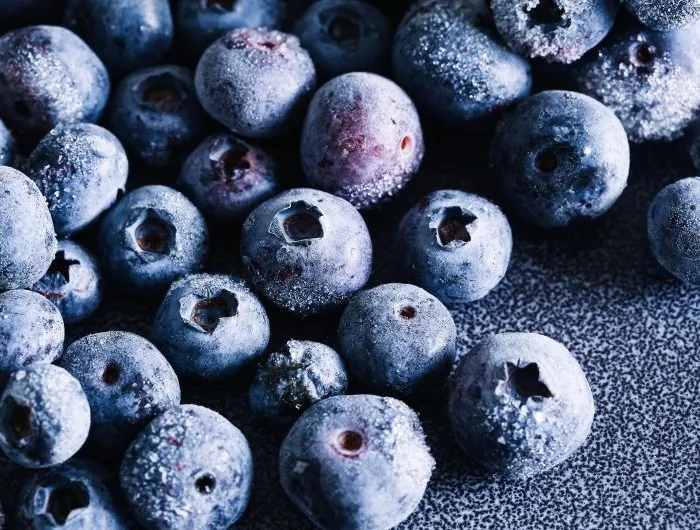
Frozen blueberries distributed throughout four US states and Canada are being recalled for possible Listeria contamination. Here’s what to look for and what to do if you have purchased recalled products.
Blueberries recalled for Listeria contamination
On Feb. 12, 2026, Oregon Potato Company LLC voluntarily recalled approximately 55,000 pounds of frozen blueberries under its Willamette Valley Fruit Company brand. The frozen blueberries were sold in four US states—Michigan, Oregon, Washington, and Wisconsin—and in Canada. Expiration dates for the recalled blueberries range from July through November 2027. Recalled blueberries were not sold direct to consumers in retail locations, but instead were sold in 30 lb cases or 1,4000 lb totes.
To view other recent recalls, see our latest recall roundup. For a full list of recalls, visit the FDA website.
Why is Listeria so dangerous?
Listeria is a type of bacteria naturally occurring in soil, but can live in environments ranging from acidic to salty, in high and low temperatures, and in low moisture. Because of that, Listeria can survive for a very long time, making it particularly hard to wipe out outbreaks. The bacteria can spread via contaminated foods to surfaces and equipment, where it can then spread to other foods.
Although it is rare, Listeria infection is one of the leading causes of death from foodborne illnesses. Listeria contamination is responsible for listeriosis, the hard-to-diagnose infection that can cause preterm labor, stillbirth, or miscarriage in pregnant people, who are 10 times more likely to get listeriosis than other people. Listeriosis can also cause symptoms like fever, headache, flu-like symptoms like muscle aches and fatigue, and stiff neck. The infection primarily strikes older adults, pregnant people, newborns, and people with weakened immune systems.
Another thing that makes Listeria dangerous is that, unlike some other food pathogens that cause food poisoning, Listeria can grow at refrigerator temperatures. Accordingly, cold storage does not prevent the risk of contamination, although reheating to 165 degrees can kill the bacteria.
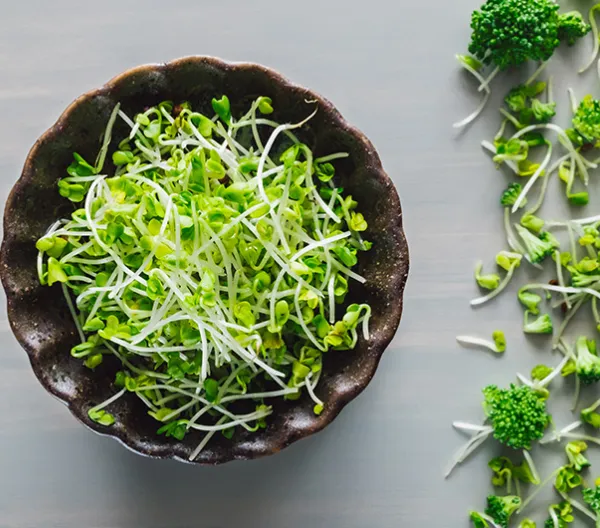
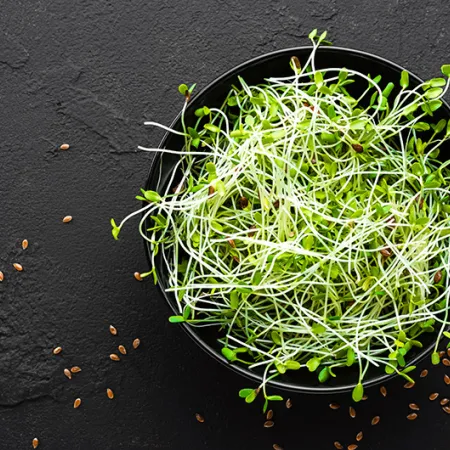
Some typical sources of Listeria in foods include raw milk, cheeses made with raw milk, soft cheeses, deli meats, raw sprouts, raw flour, some fruits and vegetables, and smoked fish.
How can you protect against Listeria contamination?
To protect your health, an important first step is to scan your kitchen for any products that are on the recalled list of potentially contaminated items. Consumers are advised to avoid eating and to throw away or return any recalled products, as well as to thoroughly disinfect any surfaces or containers that could have touched the potentially contaminated items.
People with heightened risk levels, such as people with weakened immune systems, who are pregnant, or who are 65 years old or older, should take additional precautions to prevent Listeria infection. For example, high-risk individuals are advised only to eat foods that have been reheated, to clean surfaces or containers that could have touched any contaminated products, and to contact their health care providers if any symptoms of listeriosis arise.
Some other tips to avoid Listeria contamination include avoiding raw milk and raw sprouts, seeking out pasteurized milk in the ingredients list of soft cheeses like brie and Camembert, and refrigerating cut fruits and vegetables for no more than a week.
Support CSPI’s efforts to protect food safety
CSPI pushes for policies to keep our food supply free of dangerous pathogens, fight antibiotic resistance in the food chain, control and label allergens, and curb the use of synthetic dyes and poorly tested additives. We led the fight for national legislation that promises safer produce, and whole and processed foods that are regulated by the FDA. You can support our efforts to foster a safer food system today.