Recalls to watch: Infant formula, lead in cinnamon, and more
Prostock-studio - stock.adobe.com.
2025 keeps delivering a steady drumbeat of recalls, many tied to Listeria, Salmonella, botulism, undeclared allergens, and lead in spices. Each year, roughly one in six Americans suffers from a bout of food poisoning. And harmful bacteria or other microbes can mean more than just an upset stomach. Tainted food kills about 3,000 of us every year. The risk of getting sick is higher if you’re pregnant, under age five, over 65, or have a weakened immune system. Here’s what you need to know about the latest, ongoing food and supplement recalls and how to stay safe.
Food recalls to look out for in December 2025
Three big takeaways stand out in the latest food recalls: (1) ByHeart infant formula, small-brand jarred sauces, and uneviscerated dried fish raise botulism concerns; (2) ground cinnamon recalls for lead persist; (3) deli salads and ready-to-eat items remain a recurring Listeria risk across multiple grocers. If you’re buying ready-to-eat deli foods or ground spices, check brands and recall notices; choose small spice jars and rotate often; skip shelf-stable whole fish unless clearly eviscerated; and do not use recalled infant formula.
Here are the latest, ongoing food recalls to be aware of.
This list is not exhaustive. For a full list of recalls, visit the FDA website.
Botulism (Clostridium botulinum) risk in infant formula, dried fish, and pasta sauce
Africa Studio - stock.adobe.com.
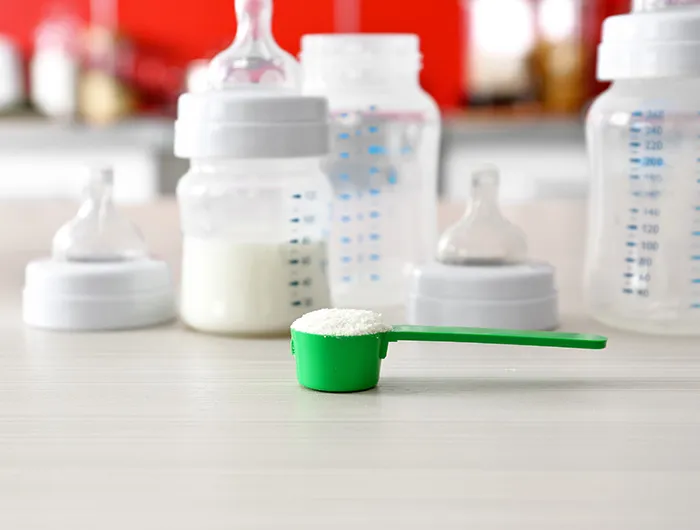
Whole Nutrition Infant Formula (all batches of ByHeart Whole Nutrition Infant Formula cans and all Anywhere Packs / Can UPC: 85004496800 / Anywhere Pack UPC: 85004496802), ByHeart—process-control recall, posted Nov. 8 and 11
Oven-dried fish (Scomberomorus cavalla, or king mackerel), African Food on Wheels Inc—process violation: uneviscerated dried fish, posted Nov. 6
Marinara/puttanesca/meat-flavored pasta sauces, First & Last—acidified/low-acid canned food process deviation, posted Nov. 3
Why it matters: Botulinum toxin attacks the nervous system and can be fatal without prompt treatment.
What to do: Do not eat. Return or discard (double-bag liquids to prevent leaks). If your infant may have consumed recalled formula, contact your pediatrician. Seek urgent care for symptoms such as muscle weakness, dizziness, double vision, slurred speech, trouble swallowing or breathing, or abdominal distension.
Where sold: Major grocers and specialty markets; brand and distributor networks (including direct-to-consumer/online).
Quick note: Avoid shelf-stable whole fish unless clearly labeled “eviscerated.” When in doubt, skip it. Do not use recalled infant formula; process-control deviations in powdered infant formula are handled with extra caution because infants are uniquely vulnerable to serious health risks from foodborne hazards.
E. coli in cheese
Africa Studio - stock.adobe.com.
Whatcom Blue Cheese, Farmhouse Cheese, Peppercorn & Mustard Seed Cheese, Twin Sisters Creamery—Shiga toxin-producing E. coli (STEC) and E. coli O103, posted Oct. 27
Why it matters: Anyone can get infected with E. coli, but some groups are more likely to experience severe symptoms (people aged 65 or older, people under five, people with weakened immune systems, and people who travel internationally). Most people with E. coli infection have diarrhea (which may be bloody or watery), stomach cramps, vomiting, and low-grade fever, and usually recover within five to seven days. Shiga toxin-producingE. coli (STEC) causes bleeding in the digestive tract and increases the risk of hemolytic uremic syndrome (HUS), which can lead to kidney failure and even death.
What to do: Do not eat; discard/return. Seek care for severe cramps/bloody diarrhea and/or fever above 102 degrees Fahrenheit; avoid routine antibiotics/anti-diarrheals (Imodium, Pepto-Bismol, etc.) unless advised, since these might make you sicker. Dehydration management is key, especially for children.
Where sold: Pacific Northwest specialty shops/cheese shops; distributor networks.
Quick note: HUS is a medical emergency. If you have any symptoms of HUS, go to the nearest emergency room immediately.
Foreign material in deli sandwiches and rice
Narsil - stock.adobe.com.
BBQ pulled pork sandwich (select lot codes), Deli Express—plastic, posted Oct. 27
Shredded cheese (select varieties), Great Lakes Cheese Co. Inc brands (Always Save, Borden, Brookshire’s, Cache Valley, Chestnut Hill, Coburn Farms, Econo, Food Club, Food Lion, Freedom’s Choice, Gold Rush, Good & Gather, Great Value, Happy Farms by Aldi, H-E-B, Hill Country, Know & Love, Laura Lynn, Lucerne, Nu Farm, Publix, Schuck’s, Simply Go, Sprouts Farmers Market, Stater Bros. Markets, Sunnyside Farms)—metal fragments, posted Oct. 3 and Dec. 1
Why it matters: Small plastic pieces, metal fragments, and stones are serious choking hazards, laceration hazards, and dental injury hazards.
What to do: Do not eat; return/discard. Check varieties, lot and batch codes, and if an injury occurs, seek care and retain the packaging information.
Where sold: Major and online grocers, including Aldi, Food Lion, Publix, Walmart, and Target; convenience stores; outlets carrying Deli Express and brands listed above.
Quick note: If texture feels off or you notice hard lumps, stop eating and check the brand—don’t eat around it; if rice pouch feels lumpy/uneven, don’t force it—skip it.
Why it matters: Lead exposure harms children’s neurodevelopment and poses risks in pregnancy. Lead easily crosses the blood-brain barrier in fetuses and young kids, where it can cause potentially permanent damage to the developing brain, resulting in lower IQ, attention deficits, or behavioral problems. Even relatively low blood levels of lead during pregnancy increase the risk of miscarriage or low birth weight.
What to do: Stop use and discard; consider blood-lead testing if regularly consumed, especially for children or people who are pregnant.
Where sold: Specialty/online markets and retailers.
Quick note: Buy small spice jars and rotate ground spices annually.
Listeria monocytogenes in cheese, peaches, and more
Basil pesto bowtie deli salad and smoked-mozzarella penne deli salads, Kroger family banners (Kroger, Baker’s, City Market, Dillons, Fred Meyer, Fry’s, Gerbes, King Soopers, Payless, Ralphs and Smith’s )—posted Oct. 4
Smoked mozzarella pasta salad, Giant Eagle—posted Oct. 3
Bowtie pasta salads and meals, Albertsons Companies (Albertsons, Albertsons Market, Amigos, Andronico's Community Markets, Carrs-Safeway, Eagle, Pak 'N Save, Pavilions, Market Street, Randalls, Safeway, Tom Thumb, United, and Vons)—posted Oct. 2
Shrimp scampi with linguini, Scott & Jon’s—posted Oct. 2
Why it matters:Listeria infection is among the deadliest foodborne pathogens, and Listeria poses an especially significant risk for newborns and pregnant people, those over 65 years old, or immunocompromised. Though heating to at least 165 degrees Fahrenheit kills Listeria,Listeria survives freezer temperatures.
What to do: Do not eat; bag and discard/return. Clean refrigerator/freezer shelves, knives, and cutting boards; any recalled ready-to-eat foods should be discarded. Call a clinician if fever, headache, stiff neck, or flu-like symptoms occur.
Where sold: Major and specialty grocers, including Kroger family banners (Kroger, Ralphs, Fred Meyer, King Soopers, etc.), Albertsons family banners (Safeway, Vons, Shaw’s, ACME, Jewel-Osco, etc.), and Giant Eagle; specialty markets and retailers that carry Signature label (enoki).
Quick note: Ready-to-eat deli salads are a recurring Listeria concern; deli slicers/counters are hard to sanitize, so Listeria tends to persist; enoki has a Listeria history, so avoid eating raw.
Radiological exposure notices (Cesium/Cs-137) in frozen raw shrimp
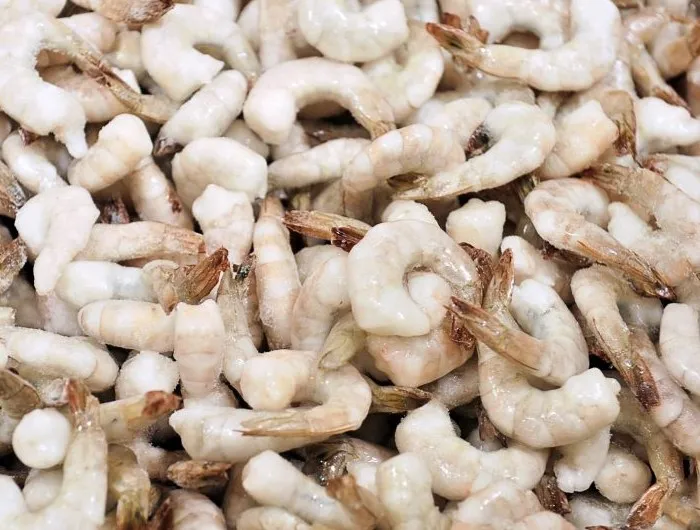
Raw frozen easy-peel white shrimp 16/20, Sea Port Products—posted Oct. 1
Why it matters: These are the most recent precautionary notices for select shrimp; there have been others in the recent past, and they are ongoing. Though firms reported no positive findings in US products, exposure to Cs-137 (a radioisotope) can increase the risk for cancer because of high-energy gamma radiation exposure. According to the CDC, internal exposure to Cs-137, through ingestion or inhalation, allows the radioactive material to be distributed in the soft tissues, especially muscle tissue, exposing these tissues to the beta particles and gamma radiation and increasing cancer risk. Long-term, low-dose exposure to Cs-137 is associated with an elevated risk of cancer.
What to do: Don’t consume; return/dispose. Routine kitchen cleaning is recommended.
Where sold: Ongoing recalls include multiple retailers carrying frozen shrimp brands, including Publix, Great Value, AquaStar, Waterfront Bistro, Kroger, Sand Bar, Arctic Shores, Best Yet, Great American, First Street, and Sea Port.
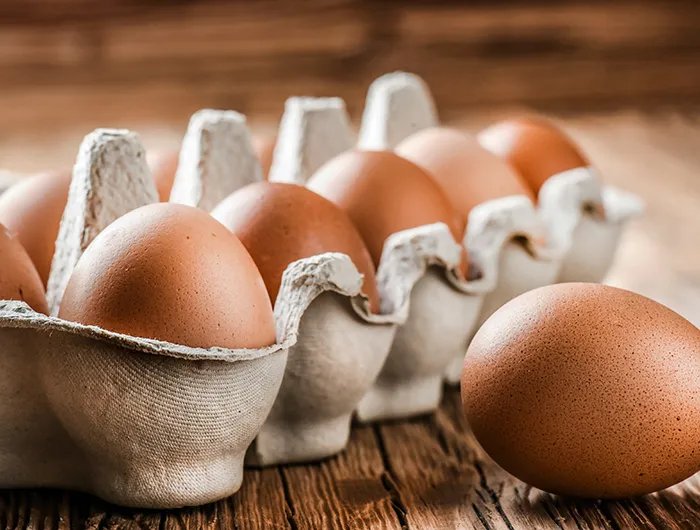
Grade AA pasture-raised eggs, Kenz Henz—posted Oct. 17
Pet food/treats, Nature’s Own Pet Chews Bully Bites Treats—posted Oct. 3
Why it matters: People with weakened immune systems, under age five, or over 65 are more likely to develop severe Salmonella infections that require hospitalization or treatment. Cooking to 165 degrees Fahrenheit kills Salmonella, but rinsing/washing does not. Common symptoms of infection include diarrhea, fever, and abdominal cramps; the risk of dehydration is higher in kids and older adults. Salmonella causes illness within six hours to six days after eating contaminated food, and symptoms last for four to seven days. Pets can shedSalmonella to people.
What to do: Don’t consume or handle recalled items; discard; sanitize knives, counters, cutting boards; wash hands. Recalled ready-to-eat foods should be discarded. Seek care for a fever of 102 degrees Fahrenheit, bloody diarrhea, or symptoms that last more than three days. For pet food/treats, double-bag and discard, clean pet bowls/scoops/storage containers.
Where sold: National grocers and specialty markets; outlets carrying Kenz Henz; check store signage and online retailer websites.
Quick note: Cutting boards and knives are common vectors for Salmonella; egg crate drips can cause fridge cross-contamination, so sanitize shelves and drawers; horoughly wash hands and surfaces after handling pet treats, as pets can spread Salmonella.
Undeclared and mislabeled allergens
Passion Fruit Dreamsicle Ice Cream Bars, Jeni’s Splendid Ice Cream—undeclared soy and wheat, posted Nov. 18
White Chocolate Coconut & Carrot Bundt Cakes, Doan’s Bakery—undeclared wheat and milk, posted Oct. 1
Why it matters: Undeclared allergens can trigger anaphylaxis, inflammation, and other allergic reactions in consumers with allergies.
What to do: If allergic to the undeclared allergen, avoid and return/dispose; follow your action plan if exposure occurs and seek medical care.
Where sold: Grocery stores nationwide and retailers including ALDI, Publix, Martin’s, and Giant; boutique candy/nut retailers; specialty markets.
Quick note: Though cross-contamination and mislabeling recalls remain an issue, if you have an allergy, be sure to review the complete ingredient list every time, since freezers can hide older lots with different ingredients.
Supplement/botanical recalls to look out for right now
One big takeaway stands out in the latest supplement/botanical recalls: Powdered botanicals and supplements lack premarket controls, making it a huge challenge for the FDA to remove dangerous supplements from the market or punish manufacturers who make unsubstantiated claims.
Here are the latest, ongoing supplement/botanical recalls to be aware of.
Salmonella in supplement powders
Organic Supergreens Powder Mix and Organic Moringa Leaf Powder, Food to Live—posted Nov. 13
Organic Moringa Leaf Powder, Africa Imports—all purchases after 6/5/2025, posted Nov. 6 and 12
Kratom powders (Bali Gold, Red Bali, Green Maeng Da, and White Elephant), Monarch Premium—posted Oct. 31
Why it matters: Powdered botanicals are usually consumed as is, so treat all powdered botanicals as raw foods. People with weakened immune systems and those under age five or over 65 are more likely to develop severe Salmonella infections that require hospitalization or treatment. Common symptoms include diarrhea, fever, and abdominal cramps; the risk of dehydration is higher in kids and older adults. Salmonella causes illness within six hours to six days after eating contaminated food, and symptoms last for four to seven days.
What to do: Don’t consume or handle recalled items; discard sealed containers; sanitize any surfaces that may have supplement residue; wash hands. Seek care for dehydration, high fever (102 degrees Fahrenheit or higher), or symptoms that last more than three days.
Where sold: Retail/online stores where Monarch Premium, Africa Imports, and Food to Live products are carried.
Quick note: Kratom has been recalled in the past. There is no requirement that the FDA review supplement claims, so be mindful of supplements that may be more harmful than helpful.
Why it matters: MyBladder products are potentially contaminated with E. coli O7:K1 (IAI39/ExPEC) and 1303. Anyone can get infected with E. coli, but some groups are more likely to experience severe symptoms (people aged 65 or older, people under age five, people with weakened immune systems, and people who travel internationally). Most people with E. coli infection have diarrhea (which may be bloody or watery), stomach cramps, vomiting, and low-grade fever, and usually recover within five to seven days.
What to do: Don’t consume or handle recalled items; discard; sanitize surfaces; wash hands. Seek care for high fever (102 degrees Fahrenheit or higher), bloody diarrhea, or symptoms that last more than three days.
Where sold: Direct-to-consumer, Walmart, Amazon.
Quick note: Supplements lack the same premarket controls as drugs, so be mindful.
Key food safety tips from the supermarket to your freezer
Here’s how to keep you and your family safe from cart to freezer.
Supermarket food safety tips
Dairy and eggs
Avoid raw milk, which can be contaminated with Campylobacter, E. coli, Listeria, or Brucella.
Check the ingredients list to make sure that soft cheeses like brie and Hispanic-style cheeses like queso fresco and cotija are made with pasteurized milk.
Like a runny yolk? Look for pasteurized eggs, which have been treated to kill Salmonella.
Handling
Use produce bags like a glove to pick up and wrap raw meat, poultry, and seafood packages.
Separate raw meat, poultry, and seafood from fruits, vegetables, and other foods in your shopping cart, grocery bags, and refrigerator.
Pick up the most perishable items (like seafood) last before you hit the checkout.
Wash reusable cloth produce and grocery bags—ideally after each use—to kill any microbes they may harbor.
Meat and poultry
Ignore “raised without hormones” on chicken and turkey labels. It’s illegal to give those animals hormones. (It’s not illegal to give hormones to cattle and hogs, however.)
Unless you cook your meat until it’s well done, skip “mechanically tenderized,” “needle tenderized,” or “blade tenderized” beef. It’s been pierced by tiny needles that can push microbes from the surface into the meat.
Deli counter
The bug to worry about in deli meat is Listeria, which can live on the meat, on plastic, on metal, and in water. If Listeria contaminates a slicer, it can be almost impossible to get rid of. To lower your risk:
Make sure the deli clerk puts on new gloves after handling each hunk of meat or cheese and places sliced meat or cheese on paper when weighing it.
If you’re over 65 or have a weakened immune system, try packaged deli meat, which is less likely to be contaminated.
Don’t buy more deli meat than you can eat within a few days. Listeria can grow at refrigerator temperatures.
Checkout
Keep meat and seafood apart from vegetables and fruits on the conveyor belt.
Pack your refrigerated and frozen foods in (reusable) insulated cooler bags. (Trader Joe’s and some other supermarkets sell them.)
In the summer, the trunk is much hotter than the rest of the car. Try to keep food in the air-conditioned cabin for the drive home.
Seafood
Only buy fresh fish if it is refrigerated or nestled in ice. It should not smell fishy, sour, or ammonia-like.
Whole fish should have firm flesh, red gills, clear eyes, and no odor. Avoid fillets that are discolored, dark, or dry around the edges.
Fresh shrimp, scallops, and lobster meat should have a pearl-like color with little or no odor. Dark spots on shrimp are harmless. They occur if the shrimp haven’t been treated with additives like the preservative sodium bisulfite.
Avoid frozen seafood with ice crystals, which may indicate it has been stored for a long time or thawed and refrozen. Frozen fish should be rigid, not bendable.
Produce
Buy fresh-cut produce such as bagged salad greens or half a melon only if it is refrigerated or nestled in ice.
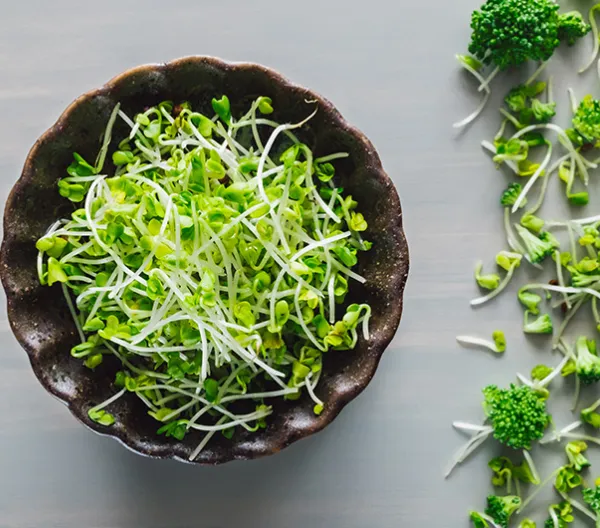
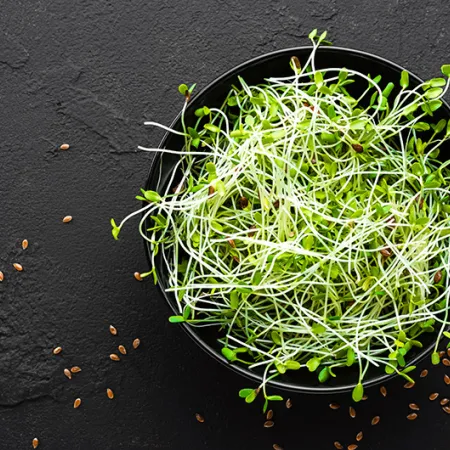
Skip raw alfalfa, mung bean, or other sprouts if you’re pregnant, over 65, or immunocompromised. Microbes that can cause food poisoning thrive in the warm, damp conditions required to grow sprouts.
Don’t buy “raw” or “fresh” juice or cider unless the label says it has been pasteurized.
Salad bars and hot bars
Grabbing a bite from a salad bar? Make sure the cold food is refrigerator cold.
If you don’t see steam coming from a hot bar, steer clear.
Avoid any salad or hot-food bar that isn’t protected by a sneeze guard.
Grocery and meal delivery
Arrange for food or meal kits to be delivered when you’re home.
Check the temperature of perishable food packages with a food thermometer as soon as possible. Contact the company if any of the food is above 40 degrees Fahrenheit.
Refrigerate or freeze delivered food as soon as possible. Perishables shouldn’t be left out at temperatures above 40 degrees Fahrenheit for more than two hours.
Frozen food safety tips
The USDA emphasizes that the packaging type can determine frozen food quality. If you open a package of frozen vegetables or remove frozen meals from their original packaging, you can refreeze them as long as you wrap these packages as you would any food for storage.
If any original packaging tears or opens while frozen, it's still safe to eat. But to preserve taste and quality, wrap them properly or store them in an airtight container or bag. Be sure to do this quickly since slow freezing creates large, disruptive ice crystals (i.e., freezer burn), while rapid freezing prevents large ice crystals from forming throughout the product. To freeze foods quickly, try not to stack foods that are not yet fully frozen. Instead, spread them out in a single layer until they're frozen solid; then, you can stack them to save space.
If you thaw food and change your mind, it is safe to refreeze it without cooking. It may change in taste because of the moisture loss from thawing, but it won't make you sick.
If you’ve ever peeked in your freezer and wondered if that bag of peas is still safe to eat, you’re not alone! According to the USDA, thousands of consumers call the USDA Meat and Poultry Hotline to ask about the safety of foods in their freezers. But freezing protects food because storing foods at zero degrees deactivates microbes such as bacteria, yeasts, and molds that cause both food spoilage and foodborne illness. That’s why these foods remain safe to eat after long periods of time.
Food stored consistently at 0 degrees Fahrenheit will always be safe. The length of storage will impact food quality—some foods will lose moisture faster than others—but food safety is not affected. And on the topic of moisture: Freezer burn doesn't render food unsafe; it simply results in dry areas. Freezer burn manifests as leathery, grayish-brown spots when air comes into contact with the food's surface. Trim away freezer-burned sections either before or following cooking. If food is severely freezer-burned, it might need to be discarded due to quality concerns, says the USDA.
So you can feel confident about the frozen foods already sitting in your freezer. But keep in mind that once you thaw frozen food, microbes can regain activity and multiply, posing a risk of foodborne illness. In other words, treat thawed food just like any perishable food.
CSPI heavily relies on our grassroots donors to fuel our mission. Every donation—no matter how small—helps CSPI continue improving food access, removing harmful additives, strengthening food safety, conducting and reviewing research, and reforming food labeling. We don't take donations from corporations, and our flagship publication, Nutrition Action, doesn't run any ads. That means that everything we do is fiercely independent and unbiased from any bad actors, no matter how powerful. To help keep this online content 100% free, consider donating today to support CSPI.