From the cancellation of programs that deliver farm-fresh food to schools and food banks to historic cuts in funding for the Supplemental Nutrition Assistance Program (SNAP), 2025 has seen devastating blows to the food safety net for families struggling to put nutritious foods on the table. But the upcoming Farm Bill, legislation that authorizes many federal nutrition programs, offers a chance to reimagine how food policies can provide a stronger, healthier, more just food system for everyone.
Historically, the Farm Bill is renewed roughly every five years, presenting advocates with an opportunity to reevaluate and strengthen our nation’s largest food assistance program, SNAP, ensuring that it has the funding and programming to meet participants’ needs in an ever-changing economy. Unfortunately, we’ve been stuck in an endless loop of continuing resolutions since 2023, rather than passing a new Farm Bill.
The most recent continuing resolution for the federal budget expires on Jan. 30, 2026. When the 43-day government shutdown ended on Nov. 12, 2025, the Senate passed a new one-year extension of some 2018 Farm Bill programs, including SNAP. This means that there is opportunity for a new Farm Bill before Sep. 30, 2026, when the extension expires.
CSPI is urging Congress and the Trump administration to pass a new Farm Bill that prioritizes the health of the nation by strengthening nutrition equity and the food safety net. Failure to pass a new Farm Bill puts SNAP in a vulnerable position, risking future funding cuts and other disruptions. We envision a Farm Bill that is strong, just, nutrition-forward, resilient, and sustainable.
Learn more: CSPI’s full list of Farm Bill policy priorities
A strong Farm Bill starts with a strong SNAP
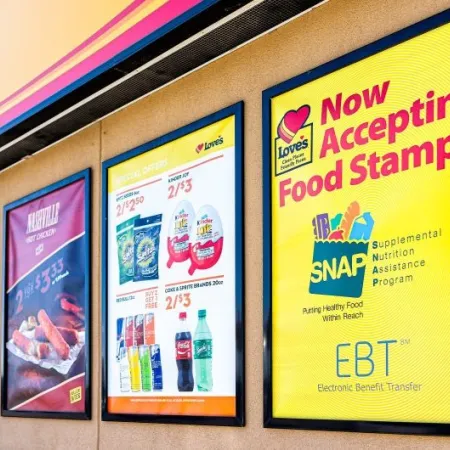
In July 2025, SNAP funding was cut by $186 billion under HR 1 (PL 119-21), an unprecedented cut to the program that may result in some states no longer administering SNAP. Estimates show that 22.3 million families will lose some or all of their SNAP benefits. To make matters worse, during the recent federal government shutdown, SNAP benefits were withheld from families and used as a bargaining chip to reopen the government. Forging a strong Farm Bill that supports families in need of food assistance begins with undoing the harms of HR 1 and restoring SNAP funds, permitting benefit amounts to adjust to rising food prices beyond merely inflation.
A just Farm Bill leaves no one behind
A strong SNAP is only meaningful if people in need can access it. HR 1 cruelly stripped eligibility from people granted refugee, asylum, or certain other immigration statuses. It also expanded work requirements, making eligibility more difficult for people who are underemployed or cannot meet the strict requirements of a qualifying disability. Specifically, work requirements now apply to people up to age 64 (up from age 54) and are no longer exempt for veterans, people experiencing homelessness, and people who aged out of foster care. There is also reduced states’ flexibility to waive requirements in areas with limited job opportunities. The definition of dependents changed, as well; only children under age 14 (down from under age 18) can be claimed as dependents.
At a minimum, SNAP eligibility should be maintained. But CSPI calls on Congress to expand eligibility so that all who need the program, regardless of immigration status, can access it.
A nutrition-forward Farm Bill puts healthy food within reach
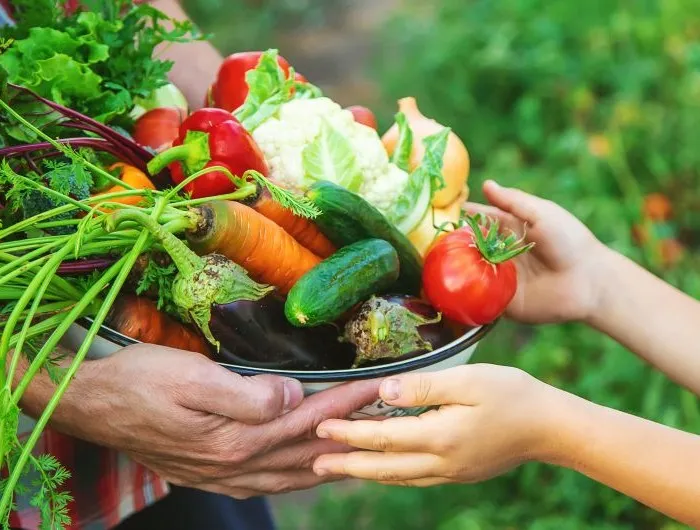
The Farm Bill is an opportunity to expand access to affordable, nutritious food that promotes health. The Gus Schumacher Nutrition Incentive Program (GusNIP) provides SNAP participants with additional funds for fruits and vegetables. People who use GusNIP eat more fruits and vegetables compared to the average US adult, yet the program only reaches less than one percent of SNAP users. Strengthening and expanding GusNIP is an obvious choice for improving nutrition for people with low incomes. Further, investing in research to strengthen food and nutrition security can support the effectiveness of the food safety net. We must start by reinstating the annual USDA Household Food Security reports to provide invaluable insight into families’ food security status throughout the country and establishing metrics and reporting for nutrition security.
A resilient Farm Bill supports communities during times of need
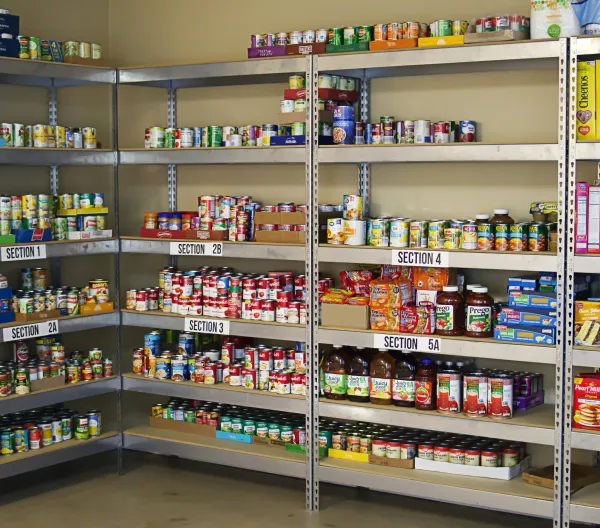
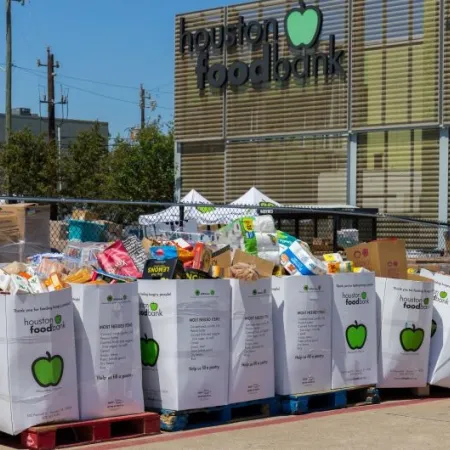
During times of crises, investments in access to locally grown foods would support access to safe, healthy, and nutritious food in all communities. Incorporating the local food system into emergency food programs can help increase food system resiliency by strengthening local supply chains, supporting farmers, and keeping food banks stocked with nutritious options. This includes investments in programs like the Local Food Purchase Assistance Program, which provided foods from local producers to food banks and was cancelled in March 2025.
A sustainable Farm Bill reduces food waste
Food waste undermines our food system; over 30 percent of all food in the US goes unsold or uneaten. A Farm Bill that safeguards our resources and protects our planet could standardize and clarify food date labels so that food is not discarded while it is still safe to eat.
The next Farm Bill is a chance to protect and reinvest in our most critical food safety net program, ensuring that the nearly 42 million SNAP participants who rely on it have access to affordable, nutritious food. At a time when millions of families are facing economic hardships, the Trump administration and Congress have an opportunity to make sure no one is left behind.