

Groups urge Bureau of Prisons not to privatize food service
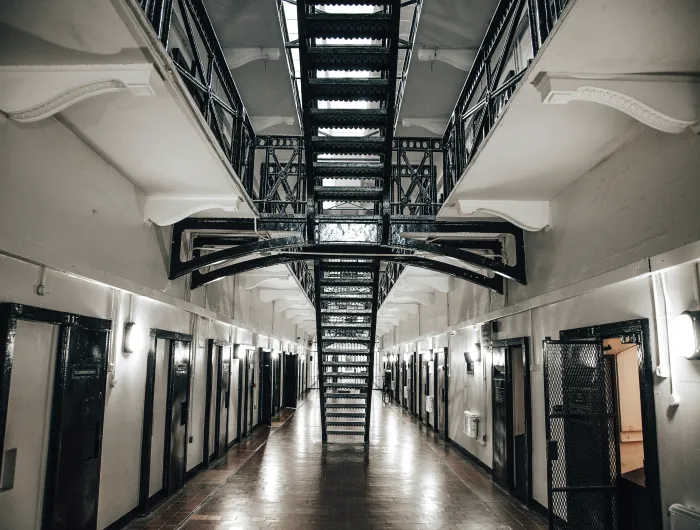
7500 RPM - unsplash.com.
On May 1, 2026, the Federal Bureau of Prisons (BOP) published requests for information about outsourcing food service, commissary, and health care across all 122 BOP institutions nationwide. Today, the Center for Science in the Public Interest and the Carceral Nutrition Project (CNP) urged the BOP and Congress not to move forward with privatizing those fundamental operations in federal prisons.
“Outsourcing BOP food and canteen services to a private company will not make incarcerated people healthy again,” said Carceral Nutrition Project founder Daniel Rosen, contributor to a recent CSPI report on prison food privatization titled, Private Food, Public Harm: Privatized Food Service in Prisons and Jails. “It won't create healthy prisons, or healthy communities, as RFK, Jr., has promised. It’s a corporate giveaway, and it prioritizes profit at the expense of people's health and public safety.”
CSPI and CNP also pointed out that, while a number of states have calculated that privatizing carceral food service would save on costs, the report found evidence that outsourcing food service has resulted in inadequate nutrition and portion sizes, inconsistent food safety practices, unpalatable meals due to over- or under-cooking, and spoiled, contaminated, or maggot-ridden food.
“Given the numerous and dangerous ways contractors cut corners, are any cost savings worth the price?” Said CSPI Deputy Director, Jessi Silverman, co-author of the report. “Privatizing simply exposes incarcerated people to serious illness and long-term health issues while further robbing them of their dignity. This practice is deeply dehumanizing.”
The groups voiced concerns that Aramark Correctional Services would likely be the leading bidder for food service and the company’s subsidiary, Union Supply Group, could also win the commissary contract.
“Holding both the food service and commissary contracts is an egregious conflict of interest that would incentivize Aramark to serve subpar meals in order to boost commissary sales. In fact, Aramark is already being sued for allegedly committing this very practice in state prisons across West Virginia,” said CSPI Policy Associate, Amelia Keleher, another co-author. “And commissary food is only available to incarcerated individuals who can afford it. It’s cruel by design.”
“We respectfully request that you reconsider introducing a profit motive into such an integral part of the Federal BOP population’s health and quality of life, and urge you not to privatize food service and commissary in federal prisons,” the groups wrote in a letter to BOP and Department of Justice leadership.
# # #
Tags
Topics
Contact Info: Lisa Flores, 202-777-8368 or Jeff Cronin, 202-777-8370