Do you need a colonoscopy after age 75 if an earlier one found an adenoma (precancerous polyp)?
Katleho Seisa - stock.adobe.com.
Researchers tracked 91,952 veterans (nearly all male) aged 75 or older who had a colonoscopy when they were 65 or older. In roughly 28 percent of them, the procedure had found an adenoma (which was likely removed).
Ten years later, 1.1% of those who had had an adenoma—vs. 0.7% of those who hadn’t—had been diagnosed with colorectal cancer. And 0.5% of those with an adenoma—vs. 0.4% of those without one—had died of colorectal cancer.
But the risk of dyingdue to other causes was far greater: 22% had died after 5 years and 48% had died after 10 years, with or without a previous adenoma.
What to do
Talk to your doctor about whether you need a colonoscopy after age 75. It’s not clear if these results apply to women, who tend to live longer than men. Check out our article for more on colorectal cancer.
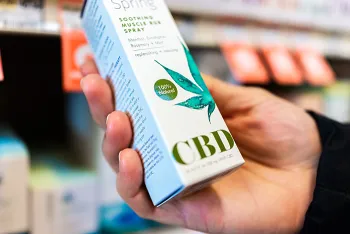
It’s no secret that marijuana boosts appetite (often called “the munchies”) due to its THC. But what about its cannabidiol (CBD), THC’s non-intoxicating cousin?
Scientists gave 15 adults either a high dose of CBD (298 milligrams) or a placebo 3 hours before a lunch of pasta with tomato sauce, cheddar cheese, and olive oil. On average, they consumed 193 more calories after the CBD than after the placebo.
What to do
Don’t assume that CBD has no impact on your appetite.
Do GLP-1 drugs like semaglutide (sold as Ozempic for diabetes and as Wegovy for obesity) slow early Alzheimer’s disease?
Researchers randomly assigned 3,808 people aged 55 to 85 with early-stage Alzheimer’s or mild cognitive impairment to take oral semaglutide (14 milligrams a day) or a placebo. Their brains all had evidence of amyloid, the hallmark of Alzheimer’s. (The trial was funded by Novo Nordisk, which makes semaglutide, and most of its authors had ties to drug companies.)
After 2 years, the semaglutide takers had no less cognitive or functional decline than the placebo takers.
What to do
Don’t expect semaglutide to slow cognitive decline.
Can 4 minutes of activity a day curb your diabetes risk?
Volodymyr - stock.adobe.com.
No time for a half-hour walk or run? Short bouts of exercise may help.
Scientists asked 22,706 people aged 40 to 69 who rarely did leisure exercise to wear a wrist accelerometer to track their activity for 1 week.
After 8 years, those who typically did 4 minutes a day of bouts of vigorous activity lasting up to 1 minute each—like running to catch a bus—had a 36% lower risk of type 2 diabetes than those who did none.
And people who did 25 minutes a day of bouts of moderate-to-vigorous activity lasting up to 3 minutes each—like walking briskly to catch a bus—had a 46% lower risk than those who did 4 minutes a day.
What to do
Get moving. Short bouts of housecleaning, carrying groceries, climbing stairs, etc., may matter.
Can color blindness cause worse outcomes from bladder cancer?
Natalia Reshetova - stock.adobe.com.
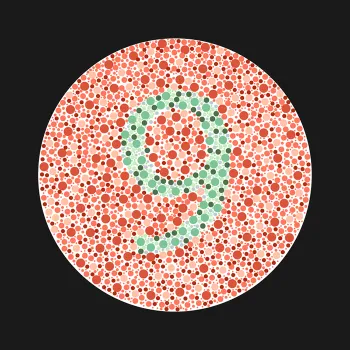
Blood in the urine is the first sign of cancer in 80% to 90% of bladder cancers that cause symptoms. Yet one out of 12 men—and one out of 200 women—may not see the blood because they have trouble distinguishing between red and green colors. Do those people have worse outcomes because their cancers get diagnosed at a later stage?
Scientists examined the electronic health records of 135 bladder cancer patients with color blindness and 135 bladder cancer patients without color blindness. The color-blind patients had a 52% higher risk of dying over 20 years than those without color blindness.
What to do
These preliminary results can’t determine whether color blindness leads to poorer survival from bladder cancer. Electronic health records may omit key details, and something else about people with color blindness could explain their higher risk. But if you have trouble distinguishing reds from greens, have someone check your urine occasionally.
Researchers randomly assigned 116 people with hip pain due to arthritis to wear either stable supportive shoes (with cushioning features and motion-control properties) or flat flexible shoes for at least 6 hours a day.
Those who wore supportive shoes could choose from ASICS Gel-Kayano, Merrell Jungle Moc, Nike Air Max 90 Ultra, Rockport Edge Hill, and New Balance 624. Those who wore flat flexible shoes could choose from Merrell Vapor Glove or Bare Access, Vivobarefoot Primus Lite or Mata Canvas, Allbirds Tree Skipper or Tree Lounger, and Converse Dainty Low.
After 6 months, hip pain while walking didn’t vary between groups.
What to do
Got hip pain? Wear the shoes that feel most comfortable.
Bisphenol A (BPA), a chemical in many plastics and cans, has been linked to type 2 diabetes in some studies. Does BPA make you less sensitive to the insulin your body secretes to move blood sugar into cells?
Researchers randomly assigned 40 sedentary adults to get the EPA’s “reference” (presumably safe) dose of BPA (23 micrograms per pound of body weight) or a placebo every day. After 5 days, insulin sensitivity fell in the BPA group compared to a slight rise in the placebo group.
What to do
This small trial needs to be replicated. But it’s still worth minimizing your exposure to BPA by buying fewer foods sold in plastic containers or in cans, storing leftovers in glass containers, and using a stainless steel water bottle.
Once you’ve lost weight on a weekly GLP-1 drug, can you take it every other week?
Doctors monitored 30 patients who took GLP-1 drugs weekly until their weight plateaued—that is, it changed less than 5% over 3 months—and who then switched to less-often (usually every-other-week) doses. (One of the doctors had ties to a GLP-1 maker.)
After the weekly doses, average weight had fallen from 193 to 163 pounds. After 8 months on alternate-week doses, weight had dropped to 159 pounds and fat mass had continued to fall slightly, while skeletal muscle mass, blood pressure, hemoglobin A1c, HDL (“good cholesterol”), and triglycerides stayed stable or improved slightly.
What to do
Want to cut back on GLP-1 doses? Ask your doctor. Note: This small study isn’t definitive, and few of these patients had type 2 diabetes.
CSPI heavily relies on our grassroots donors to fuel our mission. Every donation—no matter how small—helps CSPI continue improving food access, removing harmful additives, strengthening food safety, conducting and reviewing research, and reforming food labeling. We don't take donations from corporations, and our flagship publication, Nutrition Action, doesn't run any ads. That means that everything we do is fiercely independent and unbiased from any bad actors, no matter how powerful. To help keep this online content 100% free, consider donating today to support CSPI.