Don’t overlook these 16 healthy, underrated staple foods
littlewolf1989 - stock.adobe.com.
When you think of healthy staple foods, fruits and vegetables like blueberries, broccoli, kale, and sweet potatoes may come to mind…or maybe almonds, quinoa, oat milk, tofu, or yogurt.
But don’t stop there. Plenty more are worth a spot in your cart; they’re just underrated. You might overlook some healthy foods because they’re funny-looking, lacking a superfood reputation, or hiding in the freezer. Or maybe you’re not sure how to use them (we can help with that). Here are 16 underrated vegetables, fruits, grains, and proteins to add to your repertoire.
This article comes fromNutrition Action. We don’t accept any paid advertising or corporate or government donations. Any products we recommend have been vetted by our staff and are not advertisements by the manufacturers. They’re just healthier foods we think you’d like to know about!
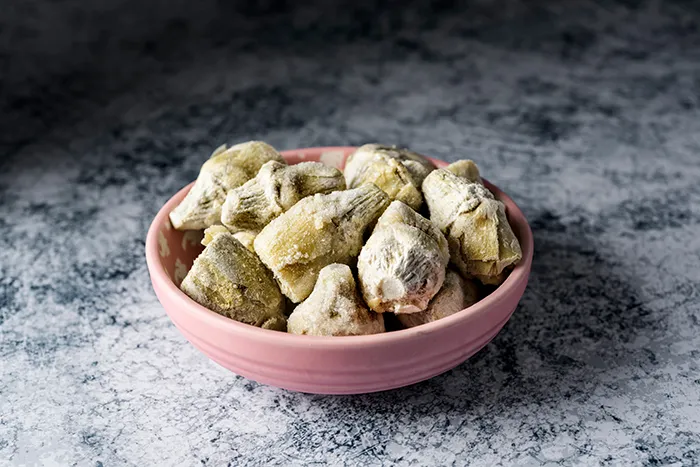
It’s easy to see why fresh artichokes aren’t a staple. They’re best eaten in season when spring rolls around. And while prepping fresh artichokes is a labor of love, frozen ones are a snap. Your days of trimming off sharp leaf tips and plucking the leaves to uncover the tender heart are long gone. Even better, the heart’s texture stays firm through cooking and freezing.
Artichoke heart nutrition highlights
Few vegetables offer a more concentrated source of fiber than frozen artichoke hearts. A 1/2-cup serving has 5 grams of fiber, plus 10 to 20 percent of the Daily Value (DV) for vitamins K and folate, all for a mere 40 calories. What’s more, frozen hearts have an edge over ones canned in brine or jarred in marinade: no added salt.
What to do with frozen artichoke hearts
Before cooking, defrost artichoke hearts in the microwave on the “defrost” setting or let them thaw overnight in the fridge, then pat dry.
Roasted: Toss artichoke hearts with olive oil and salt, roast them in a 425°F oven until browned (20-25 minutes), then sprinkle with grated parmesan (optional) and freshly ground black pepper.
Sautéed: Sauté artichoke hearts in olive oil until browned (3-5 minutes), then season with salt and fresh lemon juice and zest.
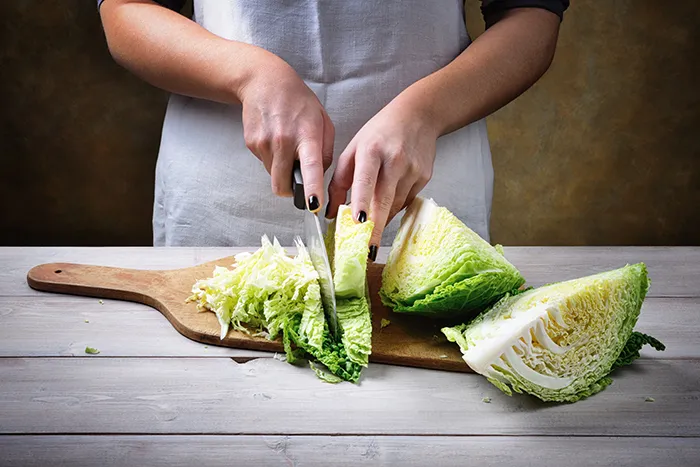
Savoy looks like a smaller, more wrinkly head of your average cabbage. But the differences are all pluses. Compared to a common green cabbage, savoy has a sweeter taste, a milder smell when cooked, and more tender, less densely packed leaves, which makes it easier to cut. And while most recipes that call for cabbage don’t specify savoy, you can usually use it. The same goes for napa cabbage, another milder, softer cabbage that shows up in some Asian cuisines.
Savoy cabbage nutrition highlights
A 3 oz. serving (1-1/4 cups raw) of savoy cabbage has the usual green leafy vegetable perks: fiber (3 grams) and vitamins C, K, and folate (20 to 50 percent of the DV) for 25 calories. What a deal!
What to do with savoy cabbage
Salads: Savoy leaves are tender enough to toss in a salad, even if you don’t shred them finely like you would for a coleslaw.
Stir-fries: Stir-fry sliced savoy in a neutral-tasting oil (like peanut or grapeseed) with ginger, garlic, and scallions, then drizzle with toasted sesame oil and reduced-sodium soy sauce.
Roasted: Cut a head of savoy through the core into thin wedges, brush with olive oil, roast in a 450°F oven until browned on the edges, then drizzle with balsamic vinegar or balsamic glaze.
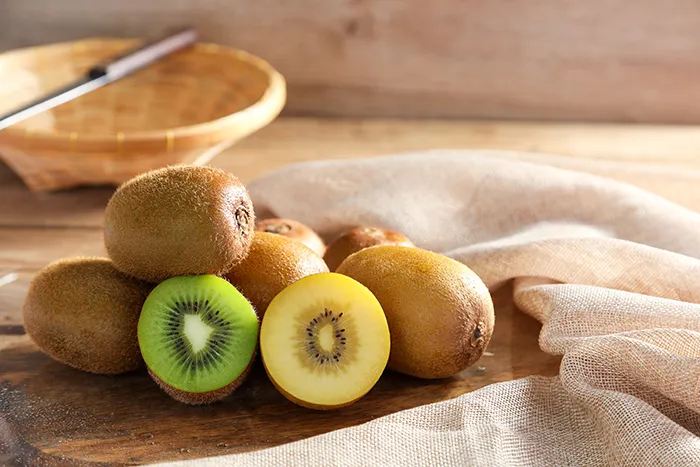
We get it. While a green kiwi may taste pleasantly sweet and tangy, its coating of fuzzy, brown skin looks less than appetizing. While the fuzz is safe to eat, you can easily dodge it by cutting the fruit in half across the width and scooping out the flesh with a spoon.
Or reach for a gold kiwi, whose smoother and less fuzzy skin makes it easier to eat unpeeled. It has sweeter flesh and fewer seeds, too.
Kiwi nutrition highlights
Any kiwi—gold or green—is an overachiever. Take vitamin C. A serving of two green kiwis has nearly 1-1/2 days’ worth. Two golds have twice that much! Both types also supply 8 to 15 percent of the DV for potassium, folate, fiber, and vitamin K, though green kiwis have extra K (50 percent). That’s all for 100 calories.
What to do with kiwis
Let kiwis ripen on the kitchen counter until they yield to slight pressure, like a ripe avocado or peach. Once ripe, they’ll last for a week or two in the fridge.
Then eat as is for snacks, on top of yogurt, cottage cheese, or overnight oats, or even tossed in green salads. A ripe-but-firm kiwi adds a pop of color and tang to this Kiwi & Radish Salad.
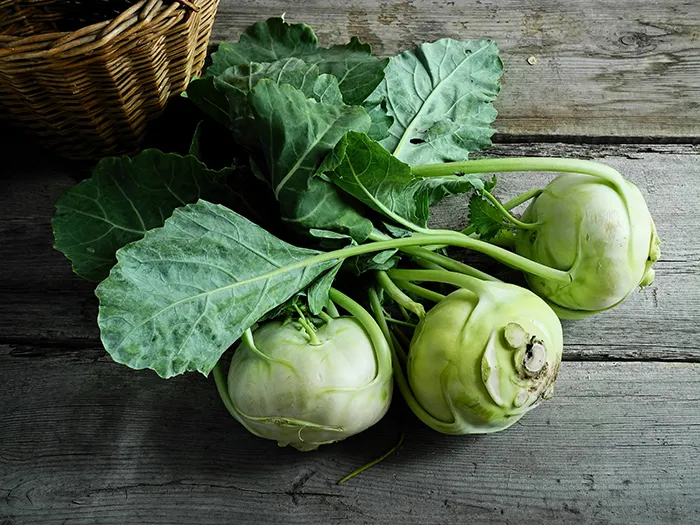
Kale, cauliflower, broccoli, Brussels sprouts…most cruciferous vegetables have already secured good-for-you status. But don’t overlook kohlrabi just because it’s a lesser-known cousin. The oddball green (or purple) vegetable is pleasantly crunchy, sweet, and mildly peppery. Kohlrabi tastes like a grab bag of cruciferous veggies—think broccoli stalks, radishes, and turnips—without too much bite.
Kohlrabi nutrition highlights
A 3 oz. serving of the raw bulb (about 2/3 cup) delivers a nice dose of fiber (3 grams) and vitamin C (60 percent of the DV). And at just 25 calories, how about a second helping?
What to do with kohlrabi
Raw bulb: The fibrous skin that surrounds the insides is tough, so remove it with a paring knife or serrated peeler to reveal the edible bulb inside. Then grate some into your favorite slaw or cut into sticks for dip.
Raw leaves: If you score a fresh bulb with its leaves intact from a farmers market, cut off the leaves and store them separately in the fridge (they should last for a few days). Eat them cooked or raw and thinly shredded in salads, just like kale or any other leafy green.
Roasted: Cut a bulb of kohlrabi into wedges, toss with olive oil, roast in a 425°F oven for 30 minutes, then sprinkle with grated parmesan (optional).
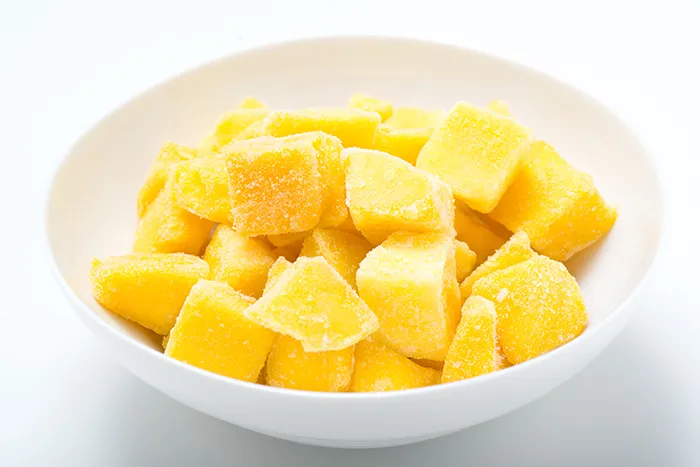
Fresh mango is a tasty treat. Why not eat it more often? It takes more work than, say, an apple or strawberries (ripening, peeling, and chopping). But (always-ripe) frozen mango chunks can hang out in your freezer until you’re ready. And while many other frozen fruits become softer after being frozen, then defrosted, mango stays pleasantly firm.
Bonus: Frozen mango makes it easy to sidestep food waste. No worries that your fresh mango will go from ripe to overripe before you get around to peeling and chopping it.
Frozen mango nutrition highlights
A 5 oz. serving of mango chunks (about 3/4 cup) is a gold mine of vitamin C (60 percent of the DV), plus fiber (2 grams) and folate (15 percent of the DV), for only 80 calories.
What to do with frozen mango
Let mango chunks defrost overnight in the fridge, or microwave them on the “defrost” setting. They make a great topping for overnight oats, muesli, or cottage cheese.
For an icy frozen treat, let the chunks defrost slightly, then snack on them as is or add a dollop of vanilla yogurt.
Rutabagas and turnips aren’t easy on the eyes. In fact, they look a bit like oversized purple and yellow potatoes. Odds are, you’ve bypassed both root vegetables at the supermarket. But they can stand in for mashed, baked, or roasted potatoes when you want a lighter, less starchy twist on comfort food. (White potatoes have 140 calories per cup, compared to 50 for rutabagas and 35 for turnips.)
Or use them to mix things up. For a medley of taste and texture, pair roasted rutabagas or turnips with roasted potatoes. Turnips have a distinctive tang, which mellows when you cook them. Rutabagas—a cross between turnips and cabbage—have less tang and more sweetness.
Rutabaga and turnip nutrition highlights
A 1/2-cup serving of either offers fiber (2 grams), vitamin C (10 to 20 percent of the DV), and no more than 25 calories.
What to do with rutabagas and turnips
Peel a pound of rutabagas or turnips and chop into chunks. Toss with olive oil and salt, then roast on a sheet pan in a 400ºF oven until caramelized and tender (about 20-40 minutes), stirring halfway.
Tip: Get yourself a serrated vegetable peeler—the kind with teeth—to help you shave off the thick skin with ease.
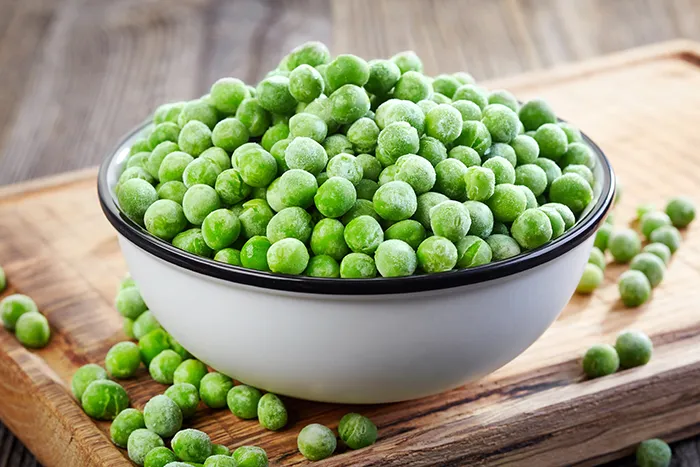
If you avoid frozen peas because you fear they’ll be bland and mushy, think again. And you don’t have to take our word for it. “PSA: Frozen Peas Are Actually Better Than Fresh,” proclaims a Bon Appétit headline. “Sorry, Fresh Peas. Frozen Peas are Just Better,” echoesEpicurious. Why? Peas are frozen at their peak, but fresh ones don’t stay that way after harvest. By the time you eat them, they may be more starchy, less tender, and less sweet.
Frozen pea nutrition highlights
Peas look like green vegetables, but they’re also legumes. That explains why a 1/2-cup serving packs in 4 grams of fiber and 4 grams of protein for a mere 60 calories. (If you double the serving size, the fiber, protein, and calories jump to bean territory.) Plus, you pick up 10 to 15 percent of the DV for vitamins A, K, and folate.
What to do with frozen peas
Frozen peas can go from package to plate in minutes, so they’re almost foolproof (just be careful not to overcook them). Need a little inspiration? For a simple side, sauté sliced mushrooms in olive oil until browned, add sliced scallions and thawed frozen peas and let them heat through, then season with salt. Even simpler: Toss a handful of frozen peas into your pot of rice, farro, or other grain when it has just a few minutes left to cook.
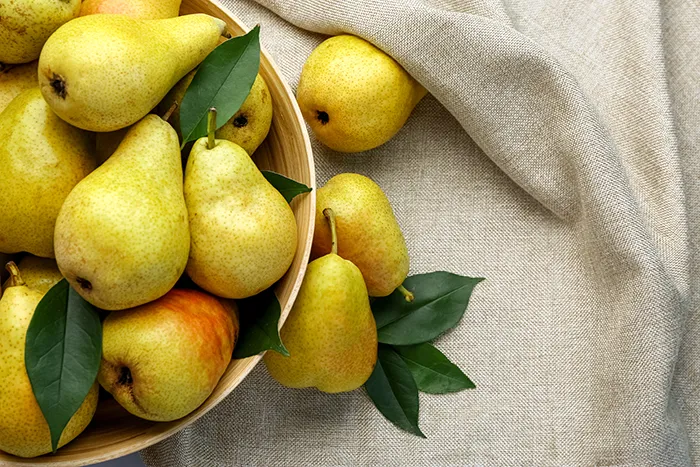
Pears can be all too easy to forget about while they slowly go from unripe to ripe and then quickly go from ripe to overripe. But timing things right brings rewards: firm but juicy texture, sweet and fiber-rich flesh, and that mellow, floral taste.
Impatient? Buy Asian pears. Unlike other varieties, they’re picked ripe. With a round shape, firm and crisp flesh, and sweet tartness, they could pass for an apple (in fact, they’re sometimes called “apple pears”).
Pear nutrition highlights
Pears are an underrated source of fiber. Fun fact: A medium 100-calorie pear with its skin has enough fiber (6 grams) to beat an apple or a cup of blueberries (4 grams each) or an orange or banana (3 grams).
What to do with pears
Store unripe pears on the countertop. Every so often, “check the neck,” as the pear growers’ industry advises. Pears are ready to eat when the flesh around the stem (the “neck”) yields to gentle pressure from your thumb. (Don’t wait until the bottom half is soft. By then, the insides may be overripe.) To prevent further softening, store ripe pears in the fridge.
Tip: If you accidentally cut into a slightly underripe pear, slice it up for a salad or slaw—the firmer texture will be perfect.
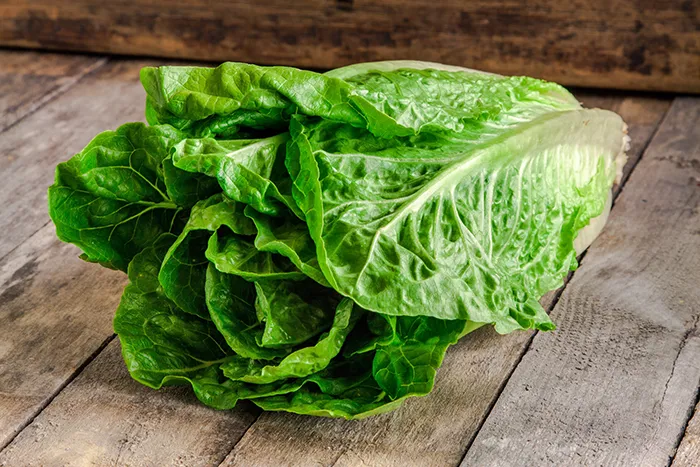
You can’t beat the ease of bagged or boxed prewashed salad greens. And we’ve all heard that you can get more vitamins and minerals by eating dark green leafy vegetables like kale, spring mix, and spinach instead of, say, pale iceberg. That’s not wrong, but it’s no reason to pass up all lettuce.
Lettuces like romaine, green leaf, and butter (aka Bibb or Boston) are no slouches in the nutrient department. Plus, because they’re often sold in whole heads that haven’t been washed or trimmed, they’re likely to cost less and stay fresh for longer (goodbye, slimy spring mix!). Bring your own reusable produce bag to the store, and you’ll also save some plastic. Cutting your food costs and food waste and packaging waste is a win-win-win.
Lettuce nutrition highlights
A generous 3 oz. serving of romaine, green leaf, or butter lettuce—about 1-1/2 to 2-1/4 cups—stuffs a load of nutrients into roughly 15 calories. We’re talking about a gram or two of fiber, plus folate (8 to 30 percent of the DV), vitamin A (15 to 40 percent), and vitamin K (70 to 90 percent).
What to do with lettuce
To prolong freshness, don’t wash or trim lettuce leaves until you’re ready to eat them. And if you invest in a salad spinner, you’ll make drying the leaves a cinch.
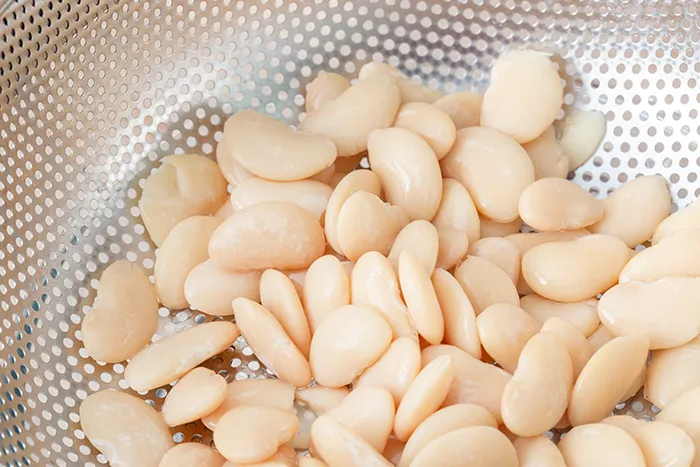
Butter beans may not show up in recipes as often as, say, black beans, white beans, or red kidney beans, but they’re a hidden gem. And if you’ve heard that butter beans are in fact lima beans—and you’re no fan of limas—don’t worry. The bean may be the same, but its age, size, color, and texture are not. Young lima beans are smaller, green, and starchy. Mature butter beans are large, beige, and creamy. Talk about aging well!
Butter bean nutrition highlights
Like other legumes, butter beans offer more fiber than you’ll find in a single serving of most foods (7 grams per 1/2 cup). You’ll also score 7 grams of protein, 20 percent of the DV for folate, and 10 percent of the DV for iron, magnesium, and potassium, all for 110 calories.
Tip: If you’re buying canned butter beans for a recipe, look for “no salt added” or “low sodium.”
What to do with butter beans
While you can cook dried butter beans from scratch (here’s how), you can also find cooked butter beans in cans. The big, satisfying beans are oh-so versatile: Add them to soups, pan-fry them until crispy, toss them with roasted vegetables, or sub them in for short pastas (like ditalini or orzo). Say hello to your new comfort food staple!
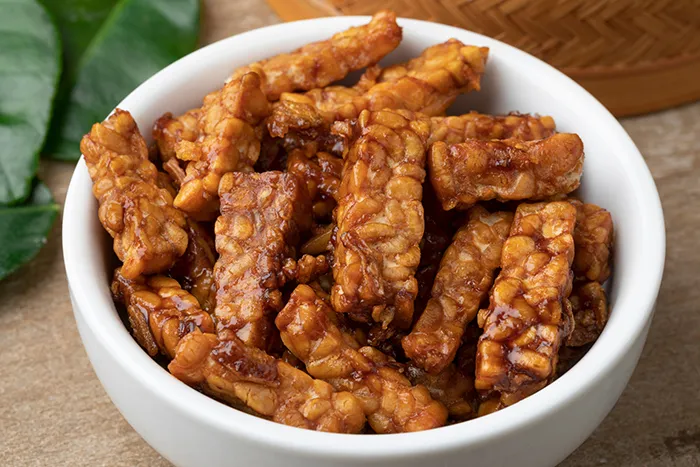
Tempeh—a dense loaf of fermented soybeans—isn’t a household name like tofu or beans. And a package of plain tempeh looks, well, lackluster. But fear not. The versatile plant protein soaks up sauces and seasonings like a sponge, and unlike tofu, it has a pleasantly toothsome texture.
While tempeh and tofu both provide roughly the same protein for their calories, tempeh offers more fiber. That’s because it’s made of whole soybeans, while tofu is made of soymilk. Both supply healthy fats.
Tempeh nutrition highlights
A 3 oz. serving of tempeh delivers an impressive 6 grams of fiber and 17 grams of protein in its 170 calories. Then there’s the usual supply of minerals from soy, like iron and zinc (10 percent of the DV) and magnesium (15 percent).
What to do with tempeh
Tempeh is often sliced into triangles or strips, seasoned, then baked or sautéed (like in this BBQ Tempeh Bowl). But it also crumbles into pieces and crisps up easily, mimicking ground meat in dishes like tacos or replacing croutons in salads (like this Kale & Tempeh Salad).
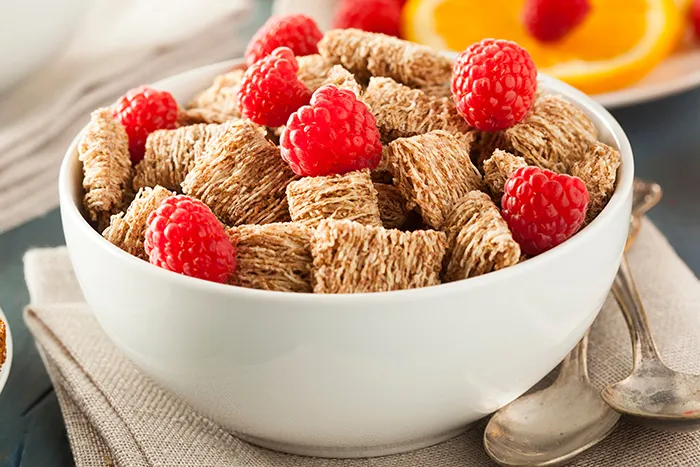
The cereal aisle is full of overblown marketing about protein, vitamins, cholesterol, immunity, and more. But modest shredded wheat should stand out. It’s one of the best ways to rack up fiber from your cereal because whole wheat has more fiber than brown rice or corn. (Oatmeal is also a good bet.) Many unsweetened varieties like Whole Foods 365 Bite-Sized Wheat Squares and Mom's Best Toasted Wheatfuls have just two ingredients: whole wheat and “mixed tocopherols” (that’s vitamin E, which prolongs freshness).
Shredded wheat nutrition highlights
Expect roughly 7 grams of fiber and 7 grams of protein in a 2 oz. serving. Bonus: the cereal’s whole wheat is also a reliable source of zinc and magnesium (15 to 20 percent of the DV), which may not show up on your box’s Nutrition Facts label because companies aren’t required to list them.
What to do with shredded wheat
For a breakfast bowl of cereal, milk, and fruit, the “what to do” is easy. (Just dig in!) But if you prefer shredded wheat without milk so it stays crunchy, try it for a snack. Toss a handful into some mixed nuts or trail mix. It’ll add volume, fiber, and crunch, and will help fill you up.
Tip: If plain shredded wheat doesn’t do it for your tastebuds, don’t jump straight to Frosted Mini-Wheats or any of its lookalikes, which typically have 12 grams of added sugar per serving. Instead, split the difference with a less-sweet variety like Kashi Organic Autumn Wheat, which has just 7 grams.
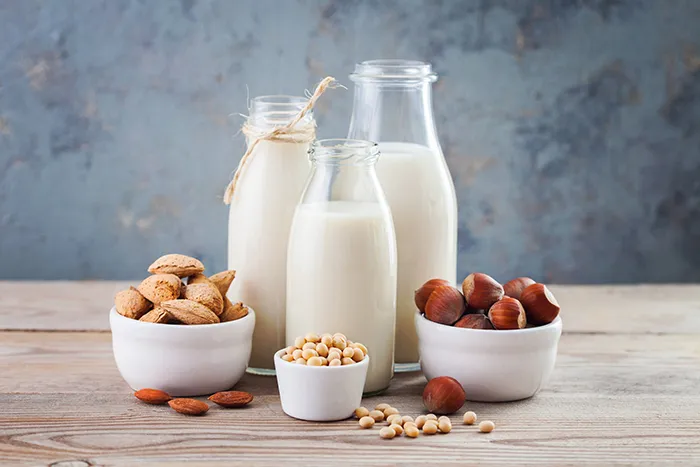
Oat milk is having a moment, but soy milk has stuck around for a reason. For starters, soy wins if you rely on milk for protein: A cup of oat or almond milk has 1 to 3 grams of protein. Soy typically has 7 or 8 grams (which pretty much matches dairy milk). Soy milk also has about as much potassium as cow’s milk. What’s more—unlike dairy—soy is a good source of magnesium and has healthy fats.
Soy milk nutrition highlights
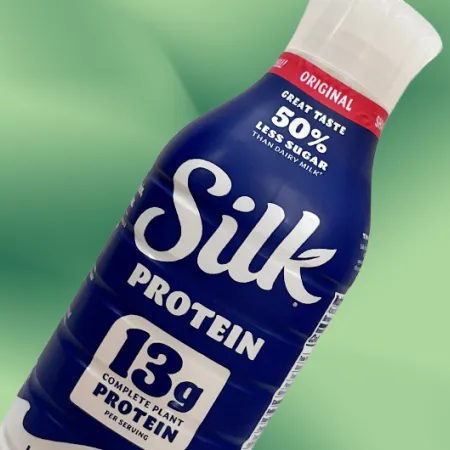
A cup of Silk Original or another typical soy milk has a package of nutrients that looks a lot like soybeans. That means a nice helping of protein (8 grams) and fiber (2 grams), plus potassium, magnesium, and folate (8 to 15 percent of the DV). Silk and some other brands also add the calcium, vitamin D, and vitamin B12 that you’ll get from cow’s milk.
Tip: If you want fewer calories per cup (80 vs. 110) and less added sugar (0 vs. 5 grams), opt for Silk Organic Unsweet Soymilk instead.
What to do with soy milk
Use soy milk anywhere you need to replace dairy milk. Unsweetened and “original” or “plain” varieties are typically the most versatile for sweet or savory recipes and have less added sugar than vanillas.
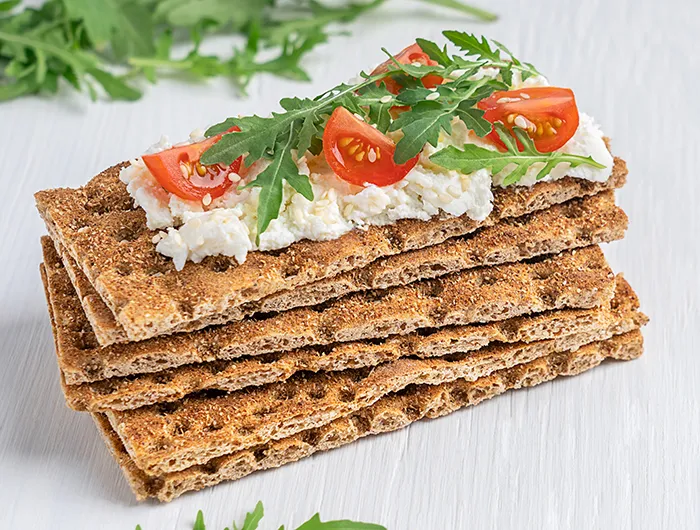
Rye crispbread crackers originate from Nordic countries like Sweden and Finland, so they’re not a household name in the US like, say, Triscuits or Wheat Thins. But if you want a cracker that’s high in fiber, go for rye. (Whole rye has even more fiber than whole wheat.) And because crispbreads tend to be sturdier, larger, and less salty than your average cracker, they’re perfect for layering with toppings.
Rye crispbread cracker nutrition highlights
The best crispbreads are made with just two or three main ingredients: rye flour, salt, and maybe yeast. Some also sprinkle in seeds for texture or crunch. Wasa Whole Grain, Wasa Light Rye, Wasa Thin Rye, and Finn Crisp Original all fit the bill.
For example, two Wasa Whole Grain crispbreads have an ample 6 grams of fiber, vs. 3 grams in a serving of Wheat Thins Original (both are whole grain). Wasa also has half as much sodium and zero added sugar (unlike Wheat Thins’ 4 grams).
What to do with rye crispbread crackers
Most crispbreads are thick enough to let you spread on toppings like hummus, cottage cheese, mashed avocado, labneh (strained yogurt spread), or baba ghanoush (roasted eggplant dip). For a thinner, super-crispy cracker to enjoy on its own, try Finn Crisp Original.
Note: Rye isn’t gluten-free. If you are, and you want a gluten-free option with more fiber than brown rice crackers, look for something with seeds and oats (like Trader Joe’s Gluten Free Norwegian Crispbread) or just seeds (like Flackers Organic Flax Seed Crackers).
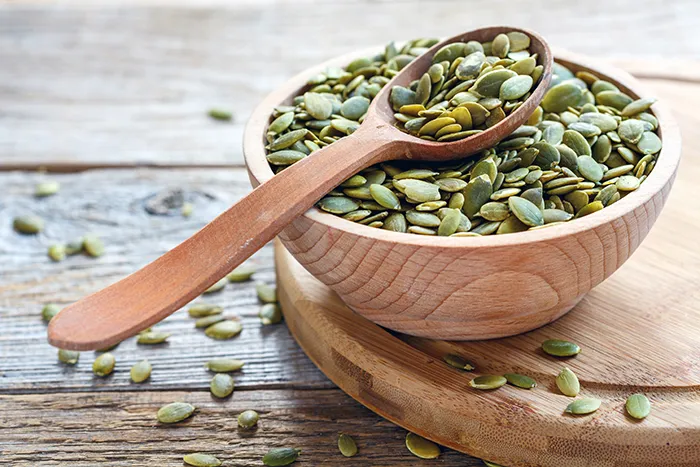
A handful of peanuts or almonds is an obvious healthy snack—nothing underrated there! But why should nuts get all the attention? Seeds are also tiny, mighty bundles of healthy fats, fiber, vitamins, and minerals. And pumpkin seeds offer an edge: a little more protein (9 grams in 1 oz.) than most nuts (4 to 7 grams).
Pumpkin seed nutrition highlights
Pumpkin seeds are a standout for more than their plant protein. You also pick up 2 grams of fiber and 15 to 40 percent of the DV for iron, zinc, and magnesium in a 1 oz., 160-calorie serving. Like most nuts and seeds, pumpkin seeds are also brimming with healthy fats.
What to do with pumpkin seeds
Add pumpkin seeds to your trail mix or sprinkle them on your oatmeal, cereal, salad, or roasted vegetables. For a budget-friendly pick, switch things up every once in a while with sunflower seeds.
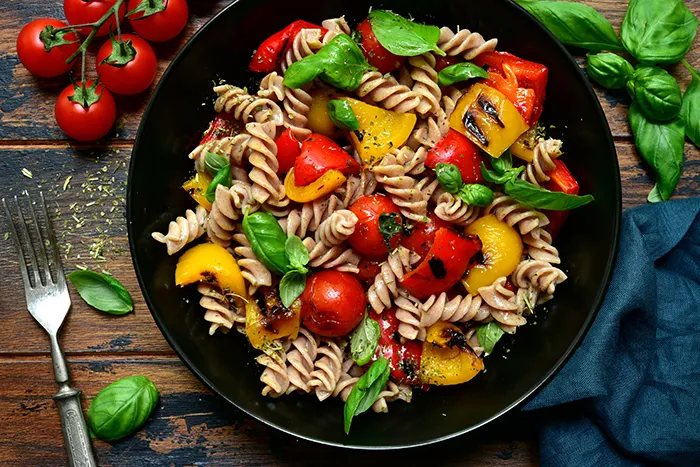
If you only stick to trendy whole grains—think quinoa, farro, buckwheat—you’re missing out. Whole wheat pasta has just as much (or more) fiber and protein, often at a fraction of the cost.
Whole wheat pasta nutrition highlights
A 2 oz. (dry) serving—which makes about 1 cup cooked—is loaded with whole-grain goodness in its 190 calories. That means it’s a rich source of fiber (5 grams) and delivers 8 grams of protein and 10 to 15 percent of the DV for iron, magnesium, and zinc.
What to do with whole wheat pasta
If your taste buds have decided that earthy, nutty-tasting whole wheat pasta doesn’t jibe with marinara sauce, try something else. Pesto makes a great pairing. So does an Asian peanut or sesame sauce. Or toss your pasta with cherry tomatoes, zucchini or bell peppers, garlic, and red pepper flakes that have been sautéed in olive oil.
Tip: If you need a fiber-rich gluten-free alternative to whole wheat, try a legume pasta.
CSPI heavily relies on our grassroots donors to fuel our mission. Every donation—no matter how small—helps CSPI continue improving food access, removing harmful additives, strengthening food safety, conducting and reviewing research, and reforming food labeling. We don't take donations from corporations, and our flagship publication, Nutrition Action, doesn't run any ads. That means that everything we do is fiercely independent and unbiased from any bad actors, no matter how powerful. To help keep this online content 100% free, consider donating today to support CSPI.