

New Senate Farm Bill text: Small revisions, same threats to food and nutrition security
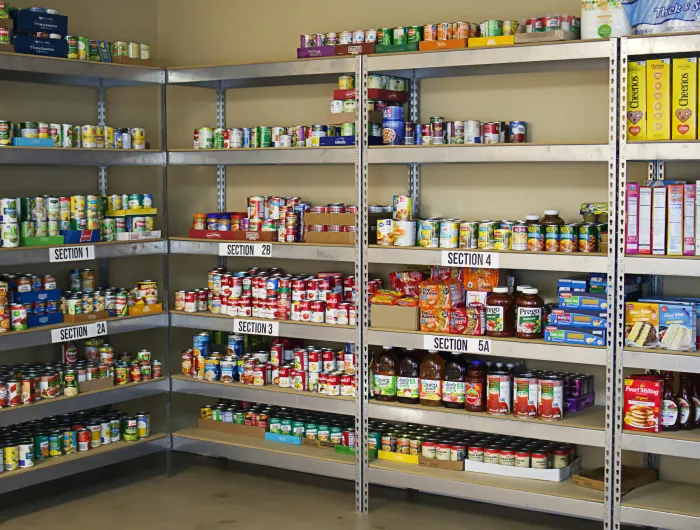
Jacob McGowin - unsplash.com.
Statement of CSPI Director of Legislative Affairs Ben Feldman
Late Friday night, Senate Agriculture Committee Chairman John Boozman released Farm Bill text ahead of a planned vote in the Agriculture Committee on Thursday. While billed as a revised proposal, the changes are largely cosmetic and do little to address the bill's fundamental shortcomings. Most notably, the bill still fails to restore support for families struggling with the high cost of food.
The legislation leaves intact $295 billion in cuts to the Supplemental Nutrition Assistance Program (SNAP), the largest in the program's history, as well as harmful eligibility restrictions. The bill proposes a one-year delay in implementing the SNAP cost shift to the states enacted under H.R. 1 in July 2025 — unfortunately, this only changes the timeline, not the outcome.
Under the new proposal, states with SNAP payment error rates above 6% — which means most states — will have to pay a share of SNAP benefit costs beginning October 1, 2028. It also increases the penalty on states with the highest error rates from 15% to 20% beginning in 2031. This unprecedented cost shift will impose significant financial and administrative burdens on states, increasing the likelihood that states will reduce benefits, restrict access, or make other cuts that harm more than 37 million people who rely on SNAP. Delaying implementation by one year gives states more time to prepare, but it does nothing to address the budgetary constraints it has created.
The bill retains provisions that would weaken the scientific integrity of the Dietary Guidelines for Americans, politicize the process, and allow for greater influence from corporate lobbyists. It also fails to reverse funding cuts to programs that invest in local farmers and help schools and food banks purchase fresh, locally produced food, further weakening regional food systems and limiting healthy food access. It fails to strengthen the Gus Schumacher Nutrition Incentive Program (GusNIP), which helps low-income families purchase fruits and vegetables. The outcomes from these provisions do not make America healthy.
We urge members of the Senate Agriculture Committee not to mistake cosmetic revisions as meaningful improvements. As SNAP participation declines and families face rising food costs with fewer supports, Congress should advance a Farm Bill that protects and strengthens SNAP, invests in healthy food access, and preserves science-based nutrition policy. This Farm Bill proposal is plainly not that.
# # #
Tags
Topics