

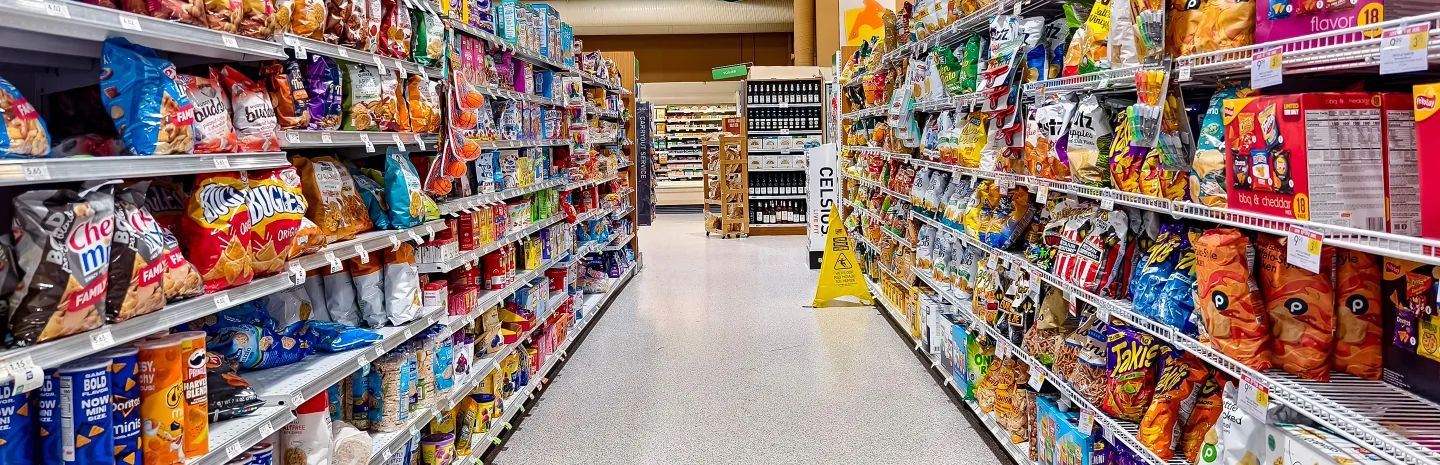
How states can address harmful chemicals in our food
States should take action to protect consumers from harmful processed foods/ultraprocessed foods
Companies use food chemicals—like flavors, colors, emulsifiers, and preservatives—to increase the appeal, sales, shelf-life, and consumption of unhealthy processed foods, often called ultraprocessed foods, or UPFs. These foods are often high in added sugar, salt, and saturated fat.
Some of the food chemicals used in these UPFs are unsafe, and many more have not been tested properly for safety. Yet the FDA allows them to remain in our food. In the absence of FDA action and in light of growing evidence linking consumption of certain ultraprocessed foods to chronic diseases like cancer and cardiovascular disease, states are passing legislation to improve food chemical safety and nutrition.
State legislative victories have led to federal reforms in the past (e.g., California banning Red 3 and brominated vegetable oil (BVO) led to FDA banning those chemicals), and state legislation will continue to influence the federal agenda. Department of Health and Human Services (HHS) Secretary Kennedy has acknowledged the role of the states, saying, “[the synthetic dye industry is] coming to me not because they are scared of me. [T]hey’re coming because they’re scared of the Governors, because they don’t want a patchwork of different regulations all across the Country.” (HHS Secy. Kennedy Discusses Make America Healthy Again Plan). If states enact science-based food chemical safety reforms, HHS and industry will follow.