

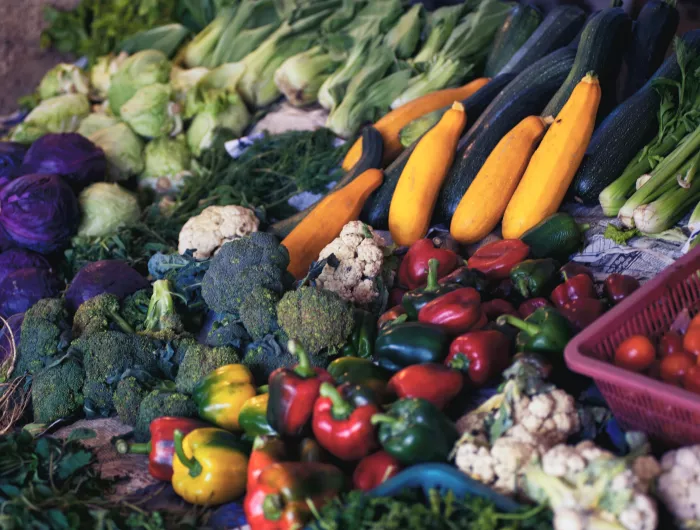
Alexandr Podvalny - unsplash.com.
What's at stake
Everyone deserves delicious, affordable, nutritious food.
Food banks work hard to provide nutritious food, with many adopting policies for what they will and will not accept. Yet, too often, food donated to the charitable food system does not align with client preferences for healthy, culturally relevant items.
This disconnect is a problem because populations that are more likely to rely on the charitable food system—people with low-incomes and BIPOC—are at higher risk for preventable, diet-related diseases, like hypertension and type 2 diabetes. It also deprives clients of the dignity inherent in access to nourishing food that supports health.
The charitable food system is intended as a last resort for people experiencing food insecurity. Yet food assistance benefit levels and coverage through federal feeding programs, like WIC and SNAP, are inadequate, causing millions of people to turn to an overburdened and under-resourced charitable food system.
If we want to improve our nation's nutrition infrastructure, we cannot overlook policies and programs impacting that charitable food system.
How it works
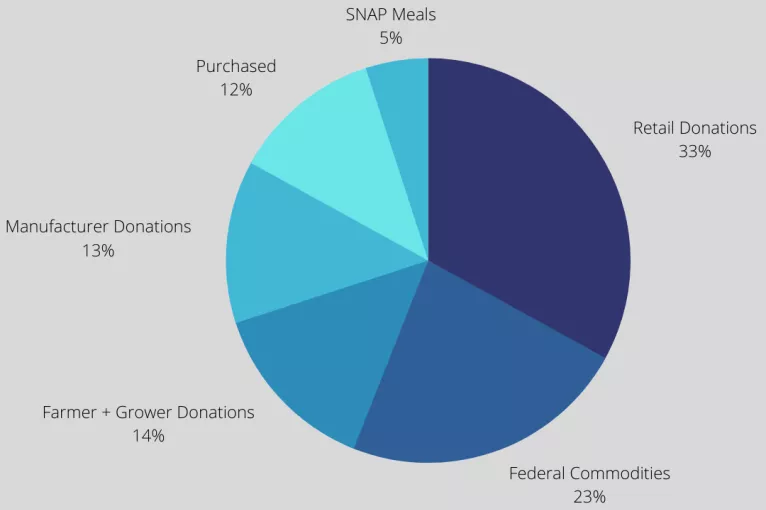
The charitable food system is the country's network of food banks, food pantries, and other emergency feeding organizations and programs. Food banks receive most of their inventory via donation from the food industry (60 percent) and the government (28 percent), and purchase the rest.
Charitable foods should be nutritious. Food donors should prioritize the donation of healthy food and beverages and public policy should promote nutritious donation.
Healthy food banking strategies
Reducing reliance on the charitable food system: A closer look at guaranteed income
Having adequate financial resources is a critical determinant of whether households can access sufficient, nutritious food—that is, whether households are food secure and nutrition secure. While federal nutrition programs play a critical role in reducing hunger, they cannot fully address broader economic challenges such as housing, transportation, and healthcare costs. Guaranteed income programs can complement nutrition assistance programs by providing flexible cash support that empowers families to meet diverse needs, reduces the need to make trade-offs between food and other essentials, and improves overall well-being. This explainer examines guaranteed income as a policy approach that directly addresses income as a root cause of food and nutrition insecurity.
Stories of impact

Charitable food system offerings impact health
"I think food banks for a long time were focused far too much on just getting calories to people...food banks need to be thinking more about health because of the health disparities that do exist for individuals who utilize emergency food." - A food bank staff member
Good food matters to charitable food system clients
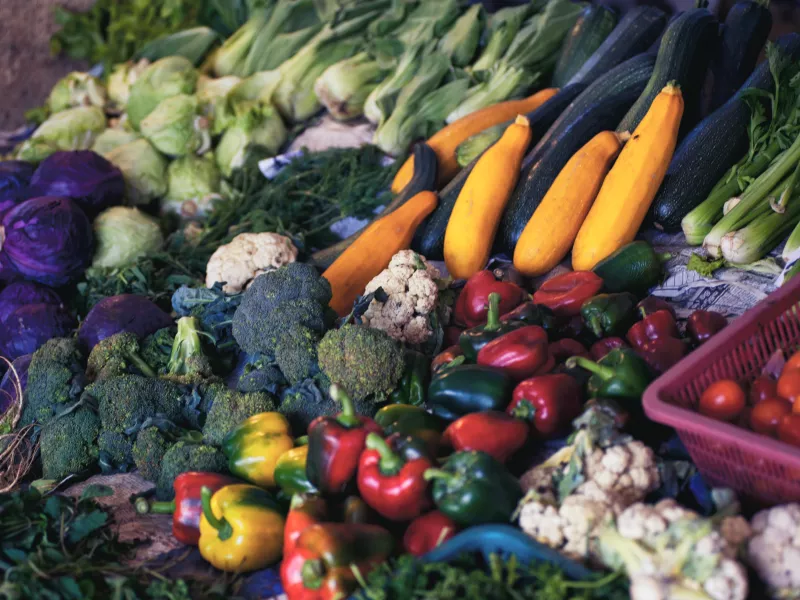
"Gorgeous produce arrayed at pantries sends a powerful message to clients about what they are worthy of." - A food bank President

Food retailers that donate healthy food have a more positive impact
"Our organization is very focused on not using the donation program as a waste diversion program by any stretch, but the foods that we do donate that are good, consumable foods we want to get into our communities." - A food retail executive
Resources
Resources from CSPI
Resources from other organizations
Resources from other organizations (cont.)
Our team

Joelle Johnson, MPH
Deputy Director for Healthy Food Access

Toby Beckelman
Senior Policy Associate