


Food Policy Catalyst: A Shared Vision for Healthier Communities in collaboration with State and Local Organizations
Become a Food Policy Catalyst partner. The Center for Science in the Public Interest is waging campaigns in states across the U.S. to promote a shared vision for healthier communities in collaboration with state and local organizations.
In 2020, the Center for Science in the Public Interest (CSPI) embarked on an ambitious journey to advance novel, evidence-based, community-informed food and nutrition policies to reduce the rate of diet-related disease in the United States. Thanks to the infusion of philanthropic dollars from foundations and generous individuals, and partnerships with state and local organizations, this vision is becoming a reality. From 2020-2025, CSPI advanced groundbreaking food and nutrition policies at the local, state, and federal levels, and held industry to account to facilitate changes to our food system.
CSPI advocated for a comprehensive policy portfolio in these areas:
- Strengthening the nutrition and public health benefits of the Supplemental Nutrition Assistance Program (SNAP).
- Supporting free healthy school lunch and breakfast for all students.
- Ensuring that the nation’s largest restaurant chains offer healthy options for kids.
- Improving transparency through front-of-package labels on packaged foods that are high in added sugar, salt and saturated fat.
- Nudging customers towards healthier choices at restaurants by using warning icons on menu items that are high in salt and added sugar.
- Fighting digital marketing of harmful products to kids and promoting healthy food and drinks in grocery store displays, such as at checkouts, end-of-aisle, and at store entrances.
- Supporting values aligned food purchasing and procurement for public institutions and jurisdictions.
- Improving the nutritional quality of food distributed via food banks.
Our strategies and approach evolved based on learning and feedback from partners, and political feasibility. For example, in 2022 based on the political and economic climate due to the Covid-19 pandemic and input from SNAP participants and stakeholders, we shifted the focus of the SNAP portfolio towards increasing access and benefits and exploring more equitable ways to strengthen the nutrition and public health impacts of SNAP. This proved prescient when these benefits came under assault in the second Trump administration. CSPI has pushed back to oppose the benefit cuts and restrictive policy changes through action alerts, coalition building, and lobbying with congressional offices.
Novel policy wins
CSPI collaborated with partners to create replicable, evidence-based policies to address community identified needs, including:
-
Healthy checkout
The first in the nation healthy checkout policy in Berkeley, California.
-
Healthy kids' meals
A kids’ meal bill in Prince George’s County, Maryland that requires chain restaurants to offer healthier beverages and sides as the default option for all kids’ meals and required at least one meal combination that meets expert nutrition standards.
-
New York City’s Sweet Truth Act
The legislation requires warning labels on prepackaged food and drinks that contain more than a day’s worth of added sugars.
-
Improving food and nutrition for incarcerated individuals
A Prince George’s County, Maryland resolution to ensure that people in custody at correctional facilities have access to safe, nutritious, and culturally appropriate foods that align with the Good Food Purchasing Program guidelines.
-
Give SNAP A Raise Act in DC
The legislation provided a financial supplement to local SNAP beneficiaries in DC equal to 10% of a household's federal maximum monthly allotment.
-
Nutrition labeling
Secured a proposed rule for Front-of-Package-Nutrition-Labeling in 2025 after years of research and advocacy. CSPI continues to advocate for the Food and Drug Administration to finalize the rule.
Subgrantee spotlights

Bay Area Community Resources
Read more about how Bay Area Community Resources passed the nation’s first healthy checkout ordinance.
Read more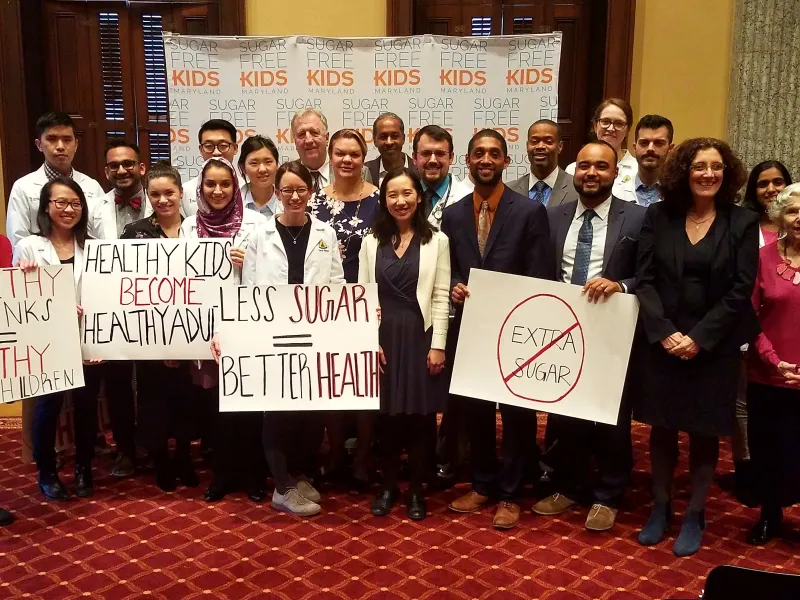
Sugar Free Kids in Maryland
Read more about Sugar Free Kids in MD’s work on kids’ meal policies.
Read more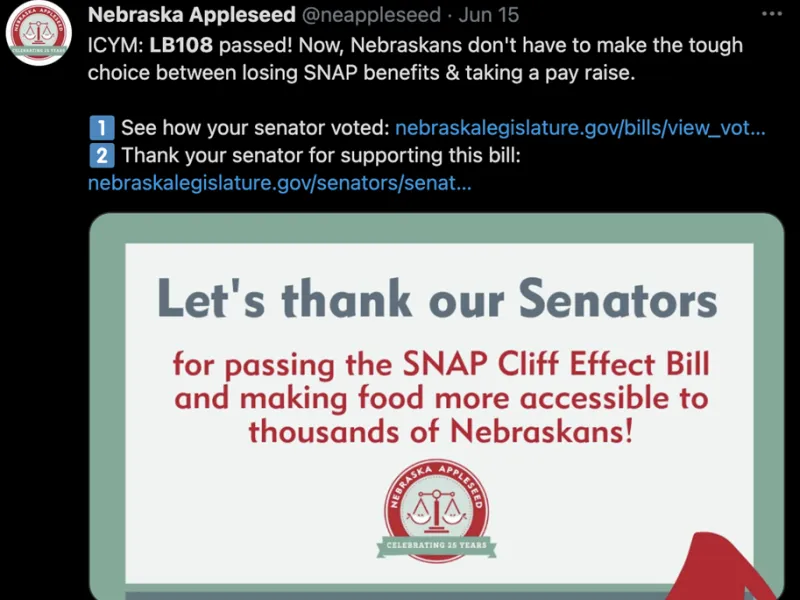
Nebraska Appleseed
Read more about Nebraska Appleseed's campaign to improve SNAP in Nebraska.
View implementation toolkitOur victories
Click on each category to learn more
The latest from CSPI partners
Strengthening Hawaiʻi’s food systems: How Farm to Food Bank bridges farmers, food banks & local communities

Reimagining a world where Black Children are healthy and celebrated for their strengths and power

CSPI’s 2026 Powerbuilding Partners: Co-creating an equitable food future

Black food sovereignty in Oklahoma: How land, restaurants, and community power are empowering the future of NEOKC

Organizing faith: Unlocking the power of communities for food and health equity

Partner testimony
“Navigating uncertainty can be exhausting, but investing in community relationships, strengthening storytelling skills, and supporting advocates are key to driving change. The insights gained from CSPI’s convening will directly inform our work at SFC as we continue to expand Double Up Food Bucks Texas and deepen connections with farmers, market managers, and the people who rely on our programs.”
Sustainable Food Center
Continuing the journey
While we’ve accomplished much since 2020, our work is far from over. CSPI is committed to building on the lessons learned to advance our shared goals with partners to develop evidence-based, community-informed food and nutrition strategies that improve our food environment, increase access to healthy foods, and ultimately aim to reduce rates of diet-related diseases. CSPI’s comprehensive toolkit includes policy research and analysis, advocacy and coalition building, corporate accountability, and litigation – it positions us well to respond to the needs of the moment.
In the next phase starting in 2026, Food Policy Catalyst is supporting 21 state and local partners. We seek new funding partners and advocates to join us. If you’re interested in learning more about contributing to the Food Policy Catalyst, contact Jane Welna, jwelna@cspi.org.