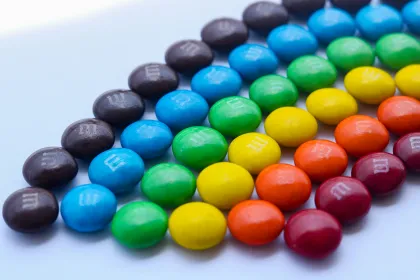
Even as Kennedy advocates eliminating artificial dyes, the Environmental Protection Agency has loosened restrictions on chemicals and pesticides, leading MAHA activists to circulate an online petition.
The Center for Science in the Public Interest requests your support and co-sponsorship of A8707/S3214, introduced by Assemblymember Dr. Anna Kelles and Senator Brian Kavanagh. This legislation would prohibit the use of seven synthetic dyes in foods served in New York Public Schools — chemicals shown to affect behavior and attention in certain children, with consequences for learning.
View the resource below to read the memo.
A possible link between food ingredients and adverse behaviors such as hyperactivity was first raised in the 1970s. Over the past 40 years, many double-blind studies have concluded that food dyes and other ingredients can impair behavior in some children.
The cereal aisle is full of brightly colored boxes and flashy marketing…and many kids are full of opinions. Here are 7 tips to help you wade through your supermarket’s sea of cereal boxes together and choose a winner that’s rich in whole grains, not too sugary, free of food dyes, and kid friendly. We've included a list of more than two dozen healthy cereals for kids that fit the bill.
Many other states, including California, West Virginia, Utah, and Virginia, have already enacted legislation banning or restricting synthetic dyes in schools. No states have passed bills promoting transparency in the GRAS process or requiring a warning label for synthetically dyed foods or foods containing BHA. By passing these bills, Pennsylvania has the opportunity set a powerful precedent by stopping companies from adding dangerous chemicals to our food in secret and empowering consumers to make more informed choices about the chemicals they eat and feed their children.
View the resource below to keep reading.
FDA announced a 'plan' to phase out synthetic food dyes, then revealed that it is entirely voluntary and requires 'understanding' from food manufacturers.