

Flatten Big Soda: Let's make sugary drink ads history
Soda giants Coca-Cola, PepsiCo, and Keurig Dr Pepper have marketed sugary drinks aggressively for over a century, spending over $11 billion combined in 2024 on ads and promoting sweetened drinks in a way that supports their bottom line—not our health.
Today, sugary drink ads are everywhere but can be difficult to identify. In addition to traditional TV ads and billboards, ads are now woven into sporting events, music festivals, social media feeds, influencer content, and the digital platforms we use every day. The media have changed, but the industry’s strategy remains the same: frame sweetened beverages not just as products, but as cultural constants; normalize sweetened beverages as an unquestionable staple of daily life in order to sell more product.
Consumers are starting to wake up and see the health risks from unhealthy ultraprocessed foods, including sweetened beverages. But the soda industry is working hard to undermine that trend, pouring billions of dollars each year into marketing liquid sugar and unhealthy ultra-processed beverages to steer people back to their products.
We deserve a future without sweetened drink ads influencing our culture and health. Here’s a look at Big Soda advertising tactics over the years—including misleading marketing, emotional appeal, kid targeting, racial and cultural targeting, data-driven targeting, fabricated nostalgia, health washing, and corporate-sponsored “education”—and what we can do today to flatten Big Soda marketing, making unhealthy drink advertising a thing of the past.
Misleading marketing
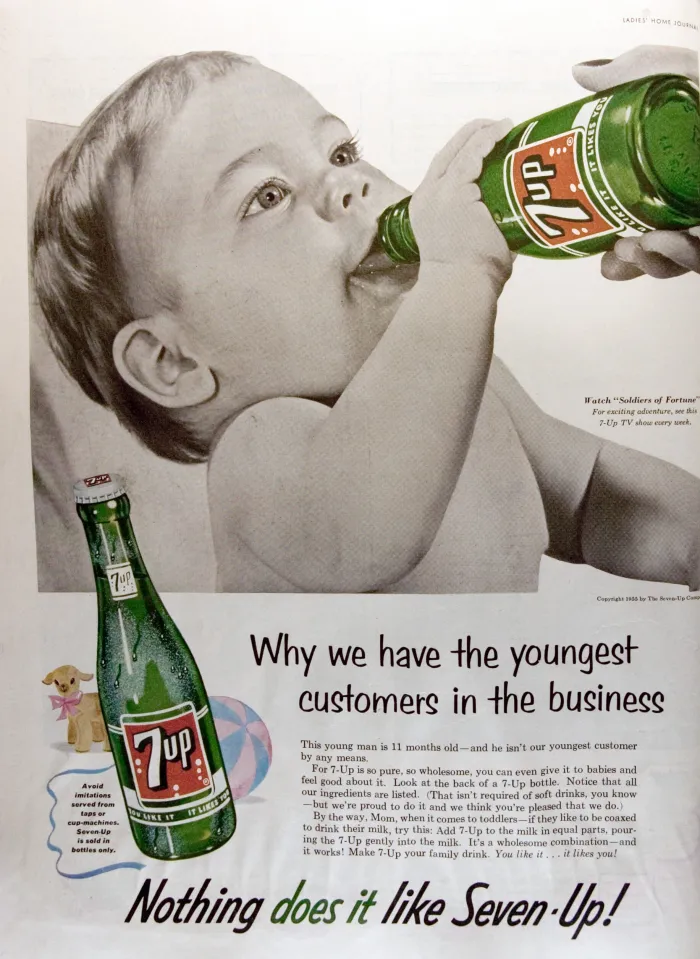
7-Up – Keurig Dr. Pepper (1950s)
In this 1955 ad, 7-Up is marketed as pure and wholesome—something parents could feel good about giving to their children—even infants. It’s an early example of beverage companies normalizing sugary beverages by positioning them as healthy and family-friendly.
Emotional appeal
Coca-Cola (1970s)
Coke called this 1971 commercial “a rallying message of tolerance and hope” in an era of division, volatility, and national anxiety over the Vietnam War. The ad ultimately exploits cultural division to position Coke as a symbol of unity.
Targeting kids
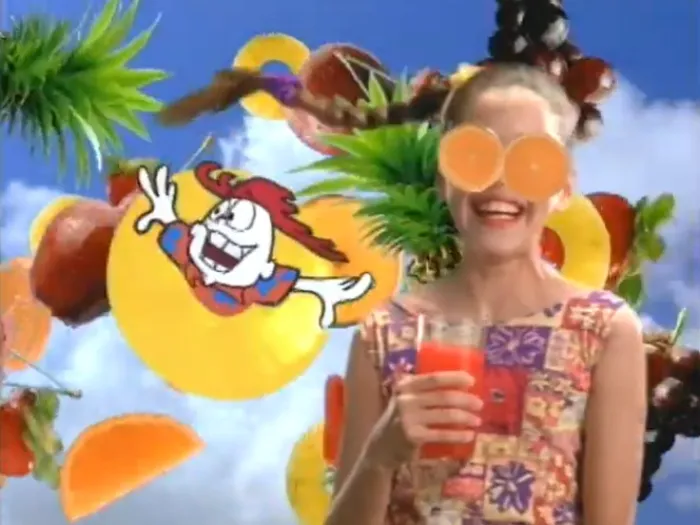
Hawaiian Punch – then Proctor & Gamble and now Keurig Dr. Pepper (1990s)
Food and beverage companies have long advertised to children and teens to build lifelong brand loyalty, shaping taste preferences and purchasing habits early. The US Federal Trade Commission reported that food companies spent $1.79 billion in marketing to kids in 2009—a figure that was never updated—thanks to industry lobbying pressure. Historically, marketing relied on overt tactics—brightly colored packaging, cartoon mascots, and ads featuring happy children and catchy songs—to grab the attention of young consumers.
Hawaiian Punch—then owned by Proctor & Gamble (1990s) and now owned by soda giant Keurig Dr. Pepper—ran this 1996 ad featuring a song made for its Typhoon Blasters punch, happy kids and happy mothers, and fruit galore (even though the drink contained only 10% fruit juice).
Using social media
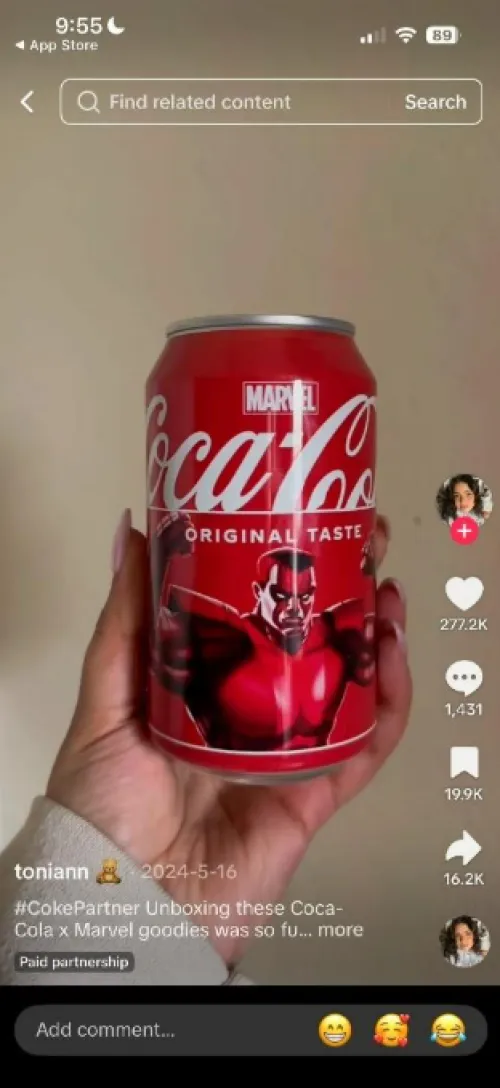
Coca-Cola (2020s)
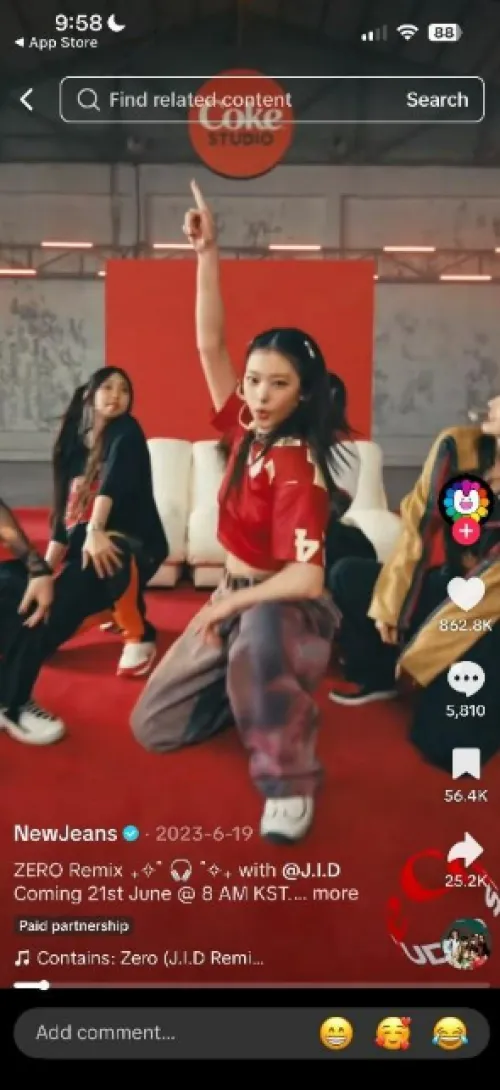
Today, sugary drinks remain a leading source of added sugar in children’s diets. Beverage companies are increasingly promoting their products through social media ads, influencer ads and sponsorships. Coca-Cola’s social media strategy includes sending public relations packages to influencers in return for social media posts, paid partnerships with respected music artists and sports icons, and active social media accounts for individual products, like Diet Coke. Pew Research Center reports that 63% of teens ages 13-17 say they use TikTok, and 17% reported their use as “almost constant.” Similar viewership was reported on platforms like YouTube and Instagram, where young viewers also see sponsored food and beverage content.
Racial and cultural targeting
Sprite – Coca-Cola Company (2020s)
Food and beverage companies target Black and Latine communities with unhealthy product marketing. Research from the UConn Rudd Center shows that marketing campaigns directed at Black and Hispanic consumers almost exclusively promoted unhealthy foods and beverages—particularly sugary drinks—with Coca-Cola and PepsiCo responsible for the majority of those campaigns. Campaigns like Sprite’s “Obey Your Thirst” centers NBA stars, hip hop artists, and other cultural figures, using themes of authenticity and individuality that resonate with young audiences. While representation can be affirming, harm arises when culturally specific storytelling and trusted figures are used to sell sugary beverages, obscuring the health risks of the product—especially for youth.
Using data to target young audiences
Example: CokeStudio
Food and beverage companies rely on data-driven ads targeting consumers in ways that are far more personal—and harder to recognize—than traditional advertising. Using artificial intelligence and tracking tools, marketers analyze your location, weather, online activity, purchases, and demographic information to deliver hyper-personalized ads at moments you are most likely to respond. For example, in 2025, Keith Bartig, director of precision marketing technologies at Coca-Cola, described how Coke Studio—an experience that allowed audiences to discover upcoming music artists—was an “early example of how [Coca-Cola] could showcase the impact of personalization.” Bartig stated, “It clearly outperformed default experiences and proved the power of fun new ways to engage young audiences who want experiences, not messages."
Are you comfortable with a global soda company tracking young people's behavior online so that they'll buy more soda?
Harnessing technology
Coca-Cola (2020s)
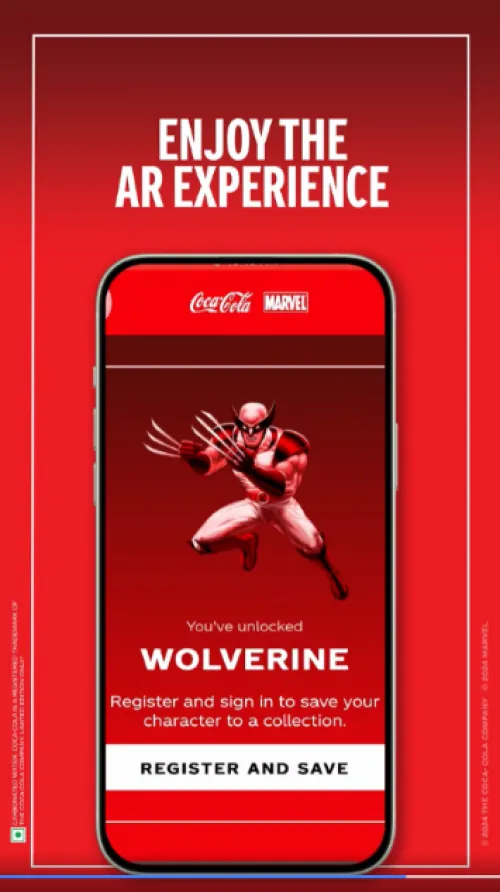
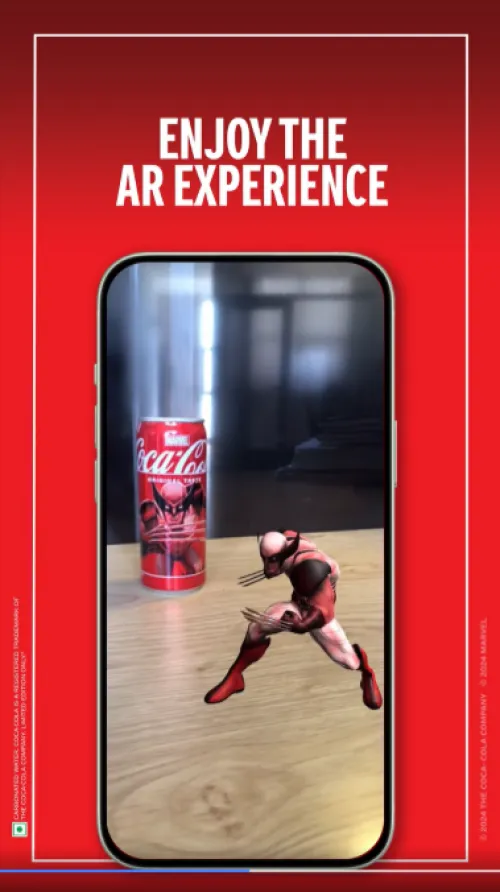
Soda companies also harness technology in other ways to sell their products, like by placing QR codes that unlock augmented-reality characters and creating gamified digital experiences that engage young audiences.
Coca-Cola partnered with Marvel to feature 40 “limited edition collectible graphics” on cans, each with a QR code that unlocked an “Augmented Reality Experience.”
Fabricated nostalgia
Coca-Cola (ads 1965-2020s)
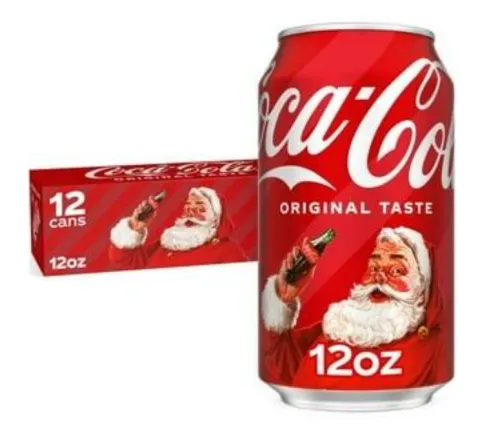
Coca-Cola has long used nostalgia to turn sugary drinks into symbols of comfort, tradition, and childhood, especially exploiting cultural touchpoints like Christmas. In 1965, Coke was the original advertising sponsor of the TV special A Charlie Brown Christmas, embedding its brand into a cultural touchstone that still defines the holidays for many. (The clip was removed from later versions.)
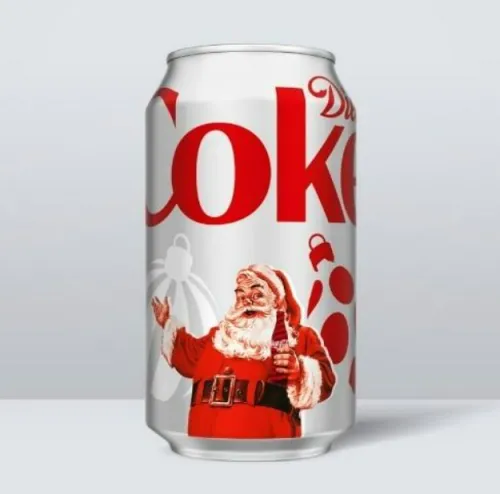
Modern Coke ads still feature retro Santa Claus and vintage Christmas images. By evoking memories of a simpler, happier past, Coke makes its products feel familiar, comforting, and timeless. Coke’s Christmas campaigns have insidiously embedded its sugary product as a core feature in American life.
Healthwashing
Gatorade – PepsiCo (2010-2020s)
“Healthwashing” is a common tactic food and beverage companies use to make sugary products appear healthier than they actually are. A standard 20-oz bottle of Gatorade (owned by PepsiCo) contains 34g of added sugar—nearly 70% of the recommended daily adult limit—yet it’s marketed as a performance-enhancing “sports drink.” Ads featuring elite athletes and scientific-sounding claims like “hydrates better than water” suggest Gatorade is superior for exercise—but the evidence behind the benefits of sports drinks just isn’t there, and for most workouts, water is plenty hydrating.
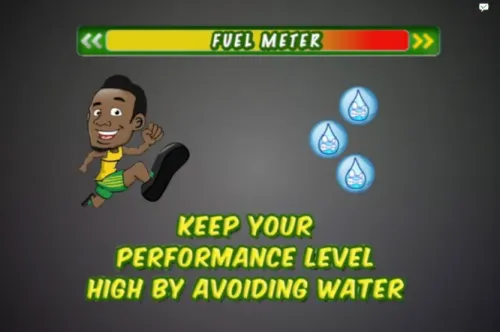
In Gatorade's Bolt! app, users guide a character based on Olympic athlete Usain Bolt through a course. Users obtain performance boosts by avoiding water icons and finding Gatorade icons. The Apple app was downloaded 2.3 million times from 2012-2013, and its audience was mainly aged 13-24.

Corporate-sponsored 'education'
Coca-Cola (2020s)
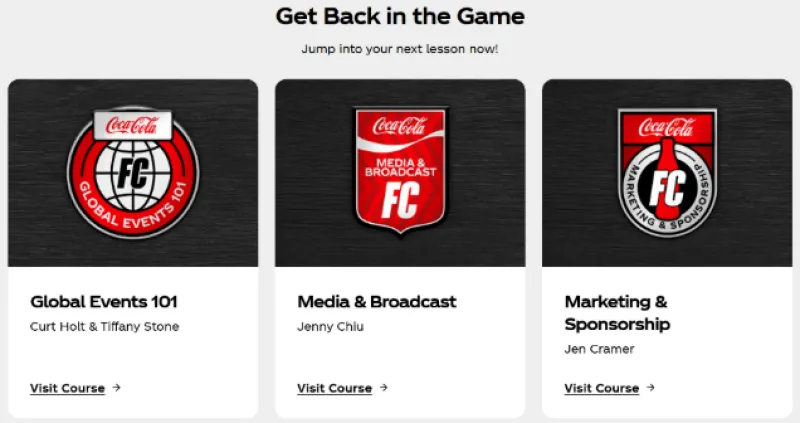
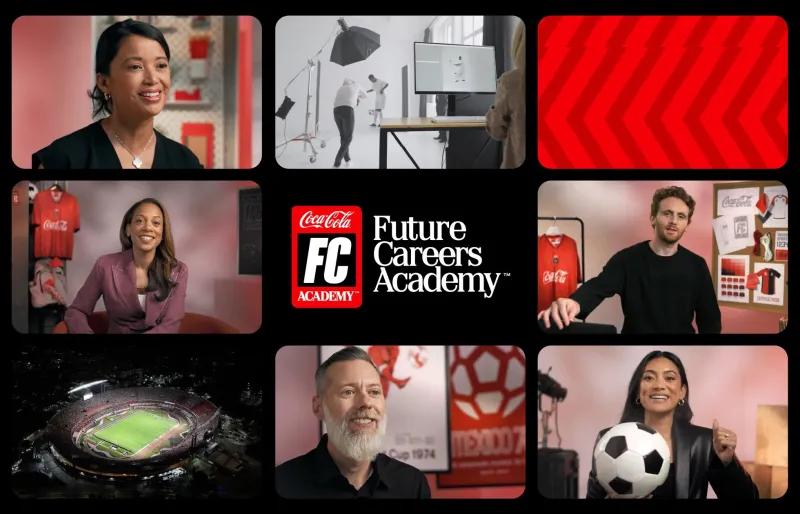
Through funding health organizations, sponsoring youth sports, and running education and leadership programs, companies like Coca-Cola, PepsiCo, and Keurig Dr. Pepper use “corporate social responsibility” to build a positive public image—while expanding opportunities to market their products and cultivate brand loyalty. The Coca-Cola “Future Careers Academy” illustrates this strategy. Born from Coca-Cola’s longstanding FIFA sponsorship, the soccer-inspired digital learning and career-development program aims to help “shape the next generation of sports executives.” By developing future sports leaders, Coca-Cola is training the very people who will one day approve and defend the sponsorships that keep Big Soda marketing at the center of sports—ensuring this profitable relationship continues for generations to come.
Making soda ads history
It’s time to make sweetened beverage advertising a relic of the past. Taking on the soda industry will require more than just knowledge of the harms of this industry’s marketing strategies, but translating our understanding into action and policy change. That’s why we’re launching a movement to Flatten Big Soda that combines public pressure with policy change, all with the ultimate goal of flattening sweetened beverage marketing and sales.
Join the movement by calling on Coca-Cola, PepsiCo, Keurig Dr. Pepper, and their advertising partners to flatten their ad budgets for sweetened beverages and only promote unsweetened drinks.